·
·

Justin Farrugia
Most luggage is bought in a hurry. A trip is coming, the old bag finally gave out, and something needs to be ordered before Thursday. The result is a carry-on that works fine until it doesn't, replaced every few years in the same cycle of compromise.
Premium carry-on luggage asks a different question: what if you bought once, bought deliberately, and stopped thinking about it? The answer looks different depending on how you travel. A twice-yearly leisure traveler and a road warrior logging forty flights a year have almost nothing in common when it comes to what they need from a bag. But both benefit from the same principle: luggage built with intention ages better, performs better, and quietly removes friction from the parts of travel that should be invisible.
The six bags here span a wide range of price points, materials, and philosophies. What they share is a refusal to cut corners where it matters. From Rimowa's century-old aluminum craft to newer entrants rethinking the latch system entirely, each one earns its place in the travel category for a specific kind of traveler.
Rimowa Classic Cabin – $1,600
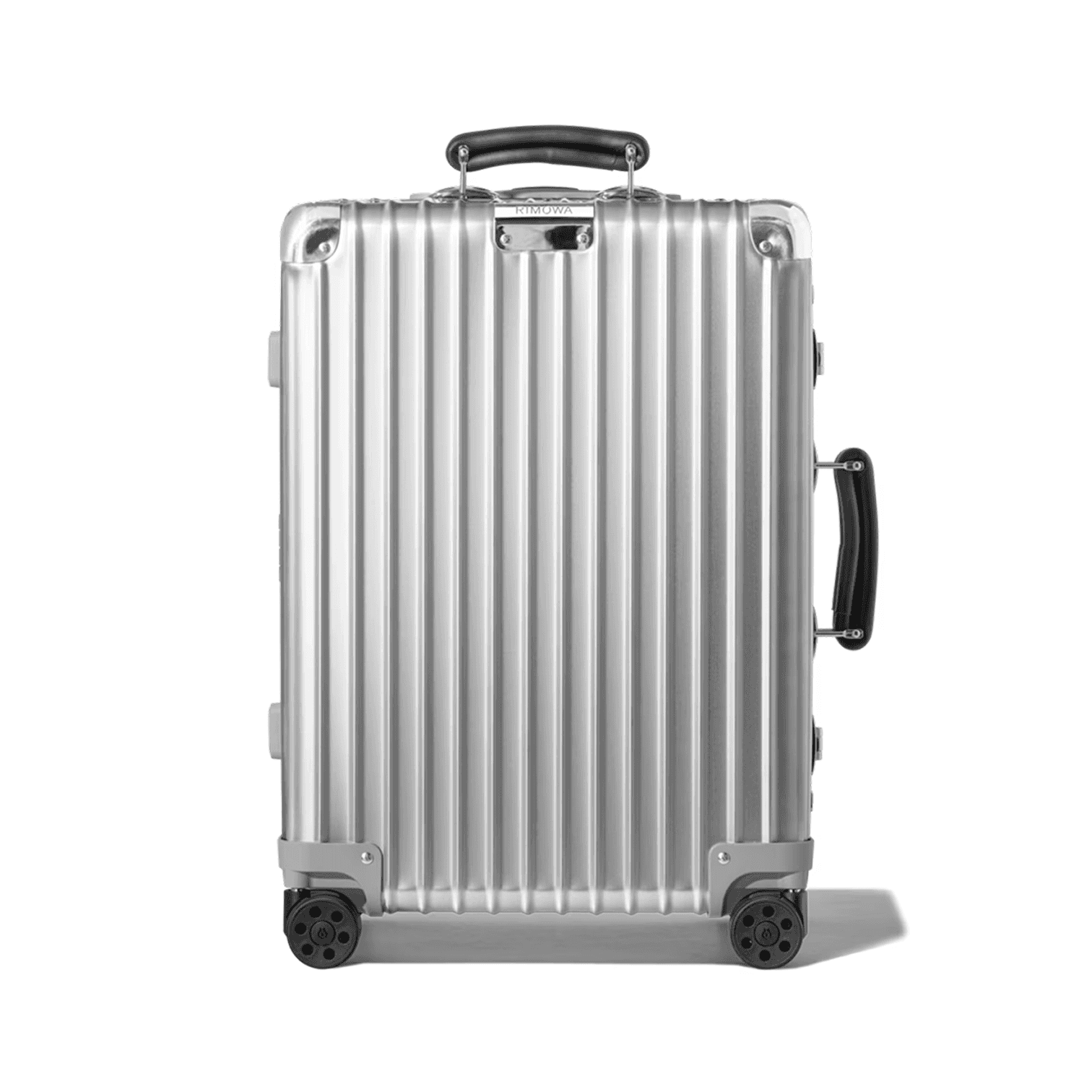
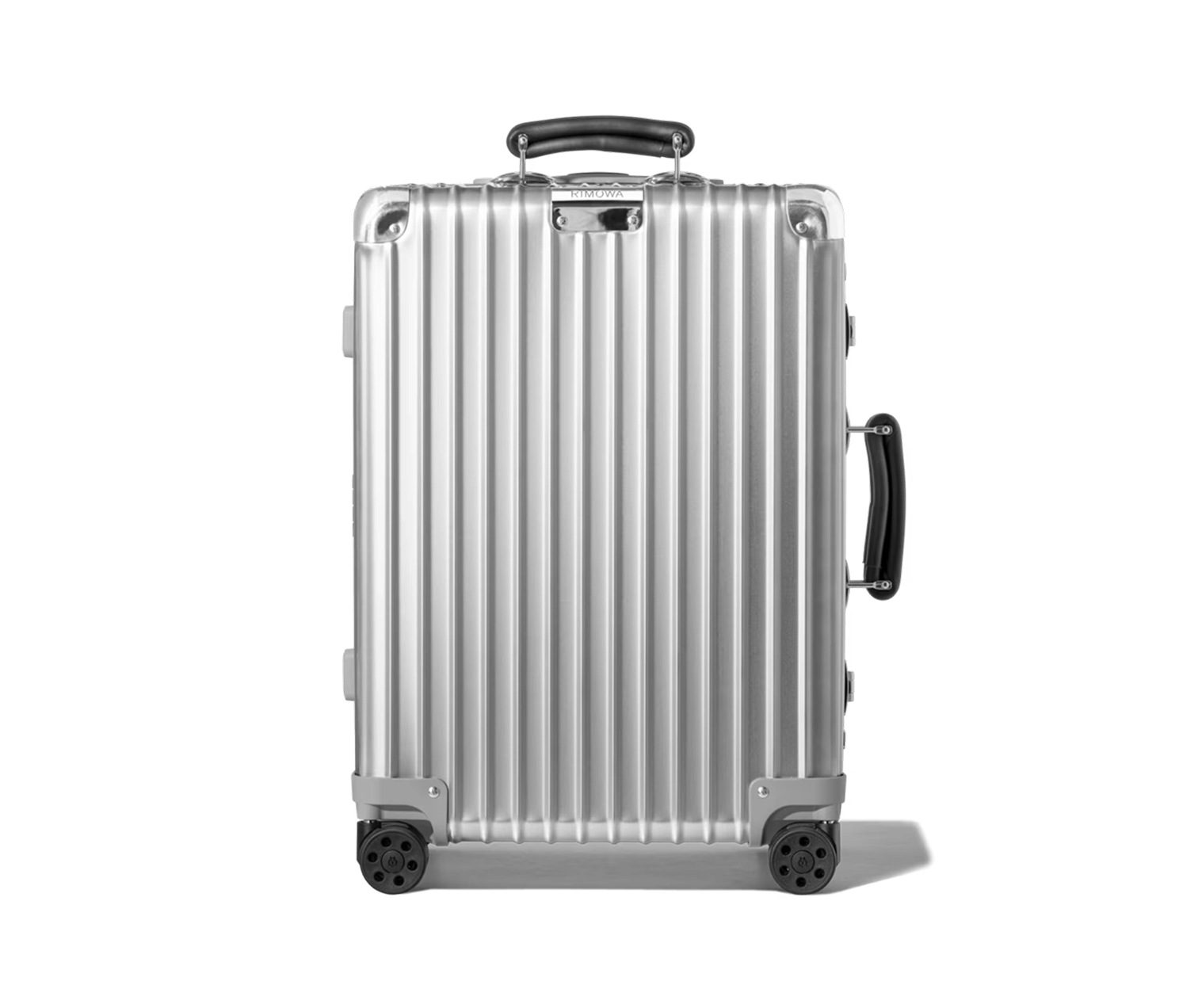
Picture a Monday morning departure. The terminal is crowded, the line is long, and your bag has been checked and rechecked through security more times than you can count. The Rimowa Classic Cabin handles all of it without showing a single sign of stress. That's not a promise the brand makes in its marketing. It's what happens when you build something from aircraft-grade aluminum and spend a century refining the details.
The grooved shell is the most recognizable silhouette in carry-on luggage, and Rimowa has earned that recognition. The finish is tactile in a way that photographs don't capture. Hand-finished leather handles sit at either end, soft enough to grip without gloves in January, refined enough to feel appropriate in a hotel lobby. The mechanical latches snap shut with a precision that feels almost architectural. Nothing flexes. Nothing rattles. The telescopic handle extends and retracts with the kind of smooth resistance that signals quality without announcing it.
At $1,600, this is the most expensive bag on this list. It's also the one most likely to outlast every other piece of luggage you own. Aluminum develops patina differently than polycarbonate. Scuffs and dings accumulate into a record of use rather than evidence of neglect. The bag you carry in ten years will look different from the one you buy today, and better for it.
Monos Hybrid Carry On Plus – $319
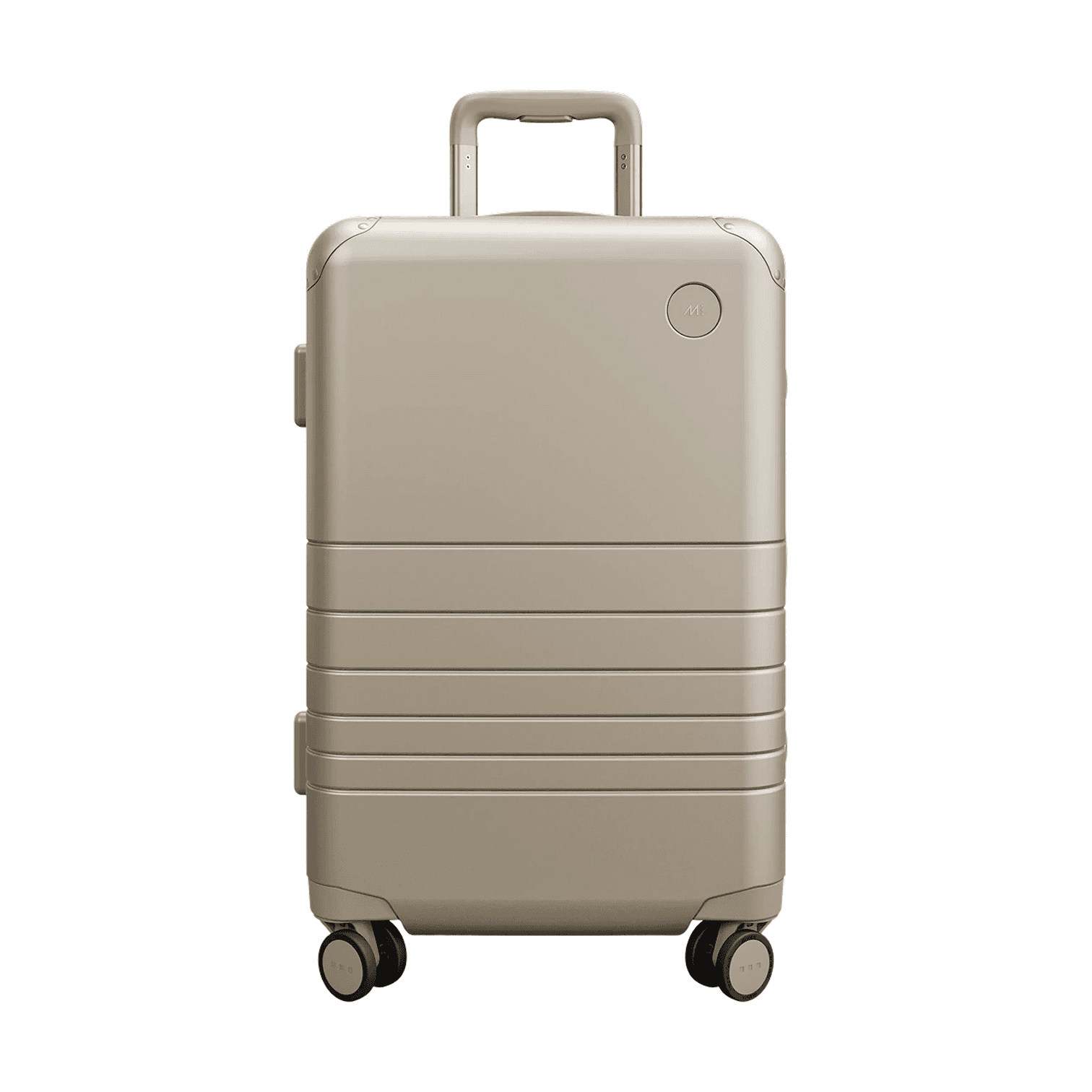
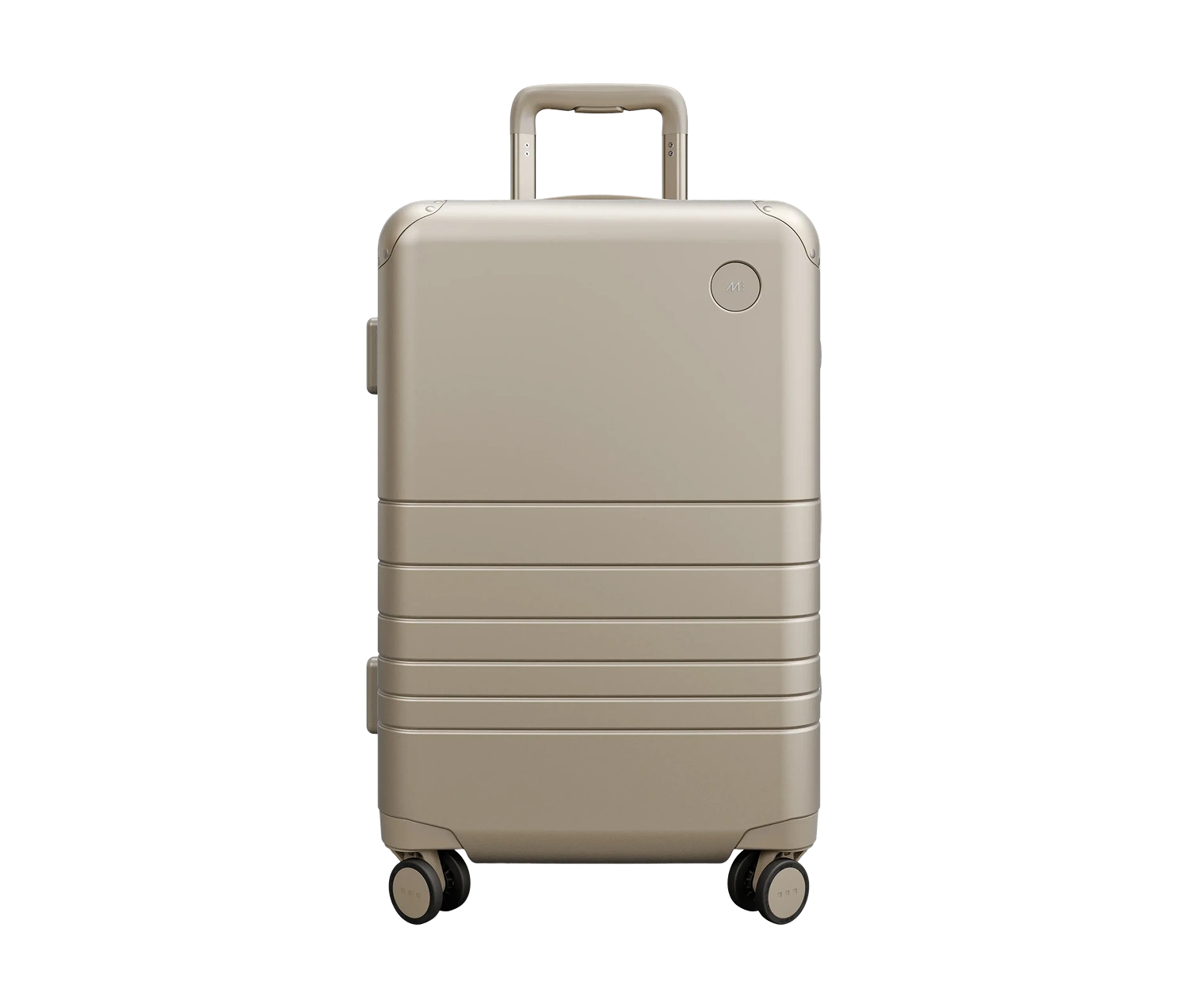
Most travelers assume carry-on luggage means zippers. The whole category runs on them. They're convenient, familiar, and almost universally unreliable after enough trips through baggage handling. The Monos Hybrid Carry On Plus challenges that assumption directly. Dual TSA-approved latches replace the zipper entirely, and the difference in daily use is more significant than it sounds.
The construction here blends an aluminum frame with aerospace-grade polycarbonate shell, a combination that gives the bag structural rigidity without the weight penalty of full aluminum. Hinomoto wheels, the same manufacturer supplying several of the better bags in this category, roll with a quiet precision that makes dragging luggage through a terminal feel less like labor. The telescopic handle locks at multiple heights and hides its release mechanism cleanly into the profile. It's a small detail, but it reflects the broader design philosophy: nothing extraneous, nothing unfinished.
The interior compression straps and zippered pockets organize a few days of clothes without the fussy over-compartmentalization that plagues bags trying too hard to be clever. At $319, the Hybrid Carry On Plus sits comfortably in the range where build quality starts to justify the price without demanding the kind of commitment that a four-figure bag requires. The polycarbonate surface will scratch with rough handling. That's a fair tradeoff for a bag that otherwise performs well above its price point and fits cleanly into the minimalist travel philosophy this bag was clearly designed around.
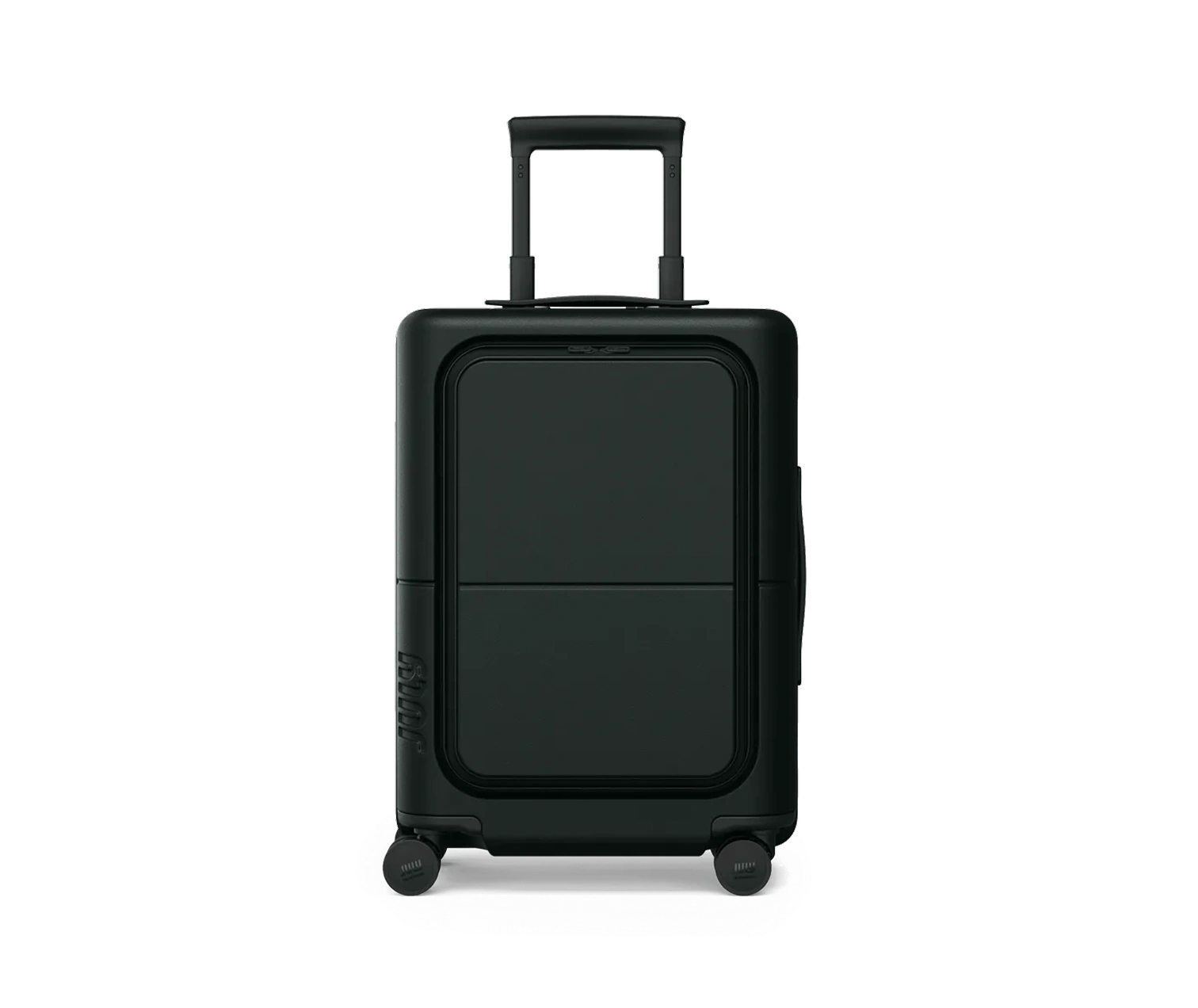
July Carry On Pro – $325
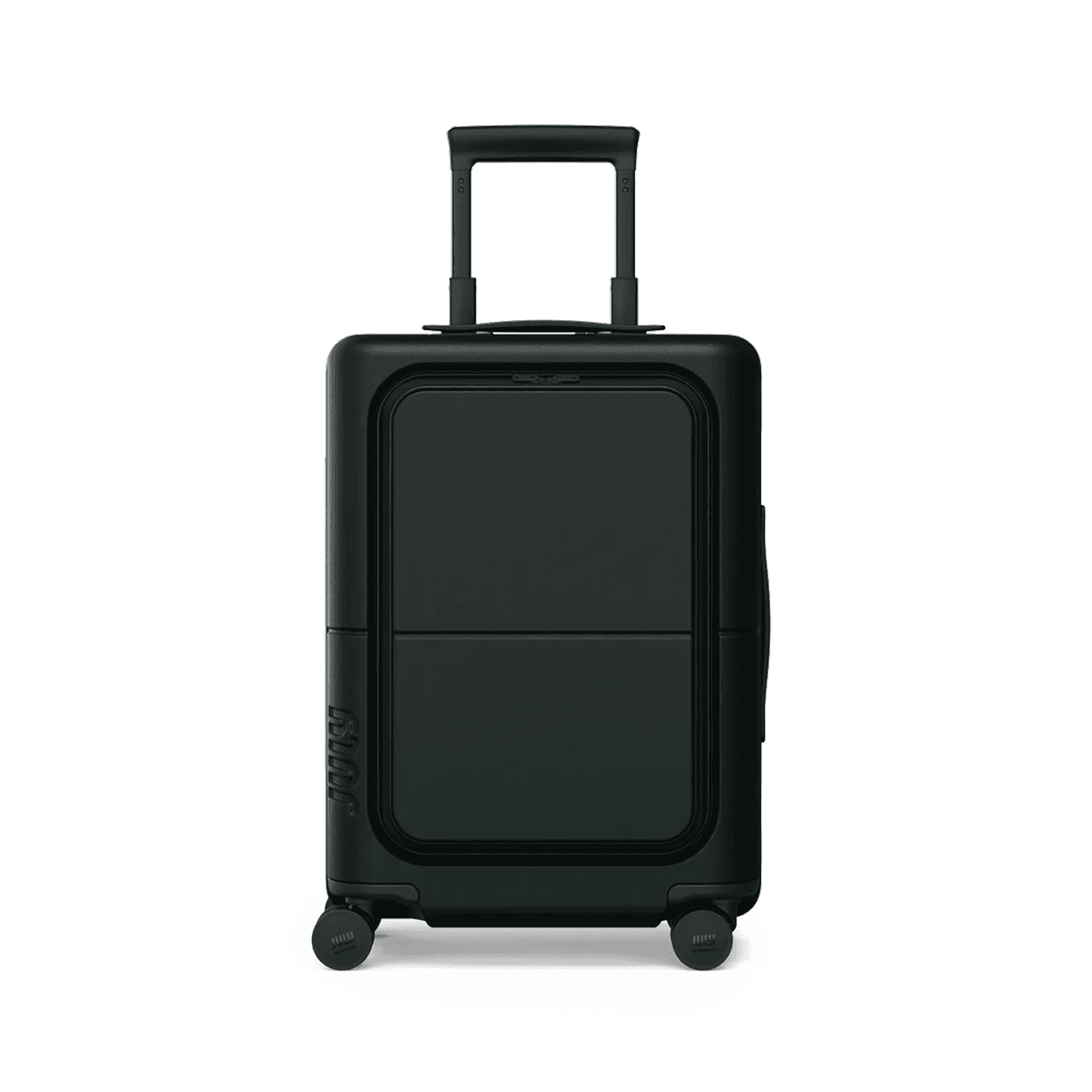
The laptop problem is one that frequent business travelers solve badly and repeatedly. Bags get opened at security, devices get shuffled into bins, cables get tangled in the process. July's Carry On Pro addresses this with a hardshell front compartment dedicated entirely to a 15-inch laptop, padded and accessible without opening the main cabin. It's not a revolutionary feature. It's a sensible one that most carry-on luggage still doesn't offer.
The shell is aerospace-grade German polycarbonate, and it resists scuffs better than most. The SilentMove wheels are genuinely quiet, the kind of quiet that matters in hotel corridors at 6am. A 20-stop multi-height handle and YKK zippers throughout suggest a brand that considered the details that fail first on cheaper bags. The ejectable battery with USB-C and USB charging is the one feature that tips into genuinely useful territory rather than spec-sheet performance. Phones and laptops charge during layovers without hunting for an outlet.
Inside, a Y-Strap compression system and stain-resistant lining handle the practical realities of a few days on the road. The hidden odor-proof laundry bag is a small addition that earns its place on longer trips. July backs the whole thing with a lifetime warranty and 100-day returns, which signals confidence in the construction and removes the risk from the purchase. At $325, it sits one dollar above the Monos and earns that dollar through the laptop compartment alone. For a travel carry-on designed around the specific friction points of business travel, it's one of the more considered options in this price range.
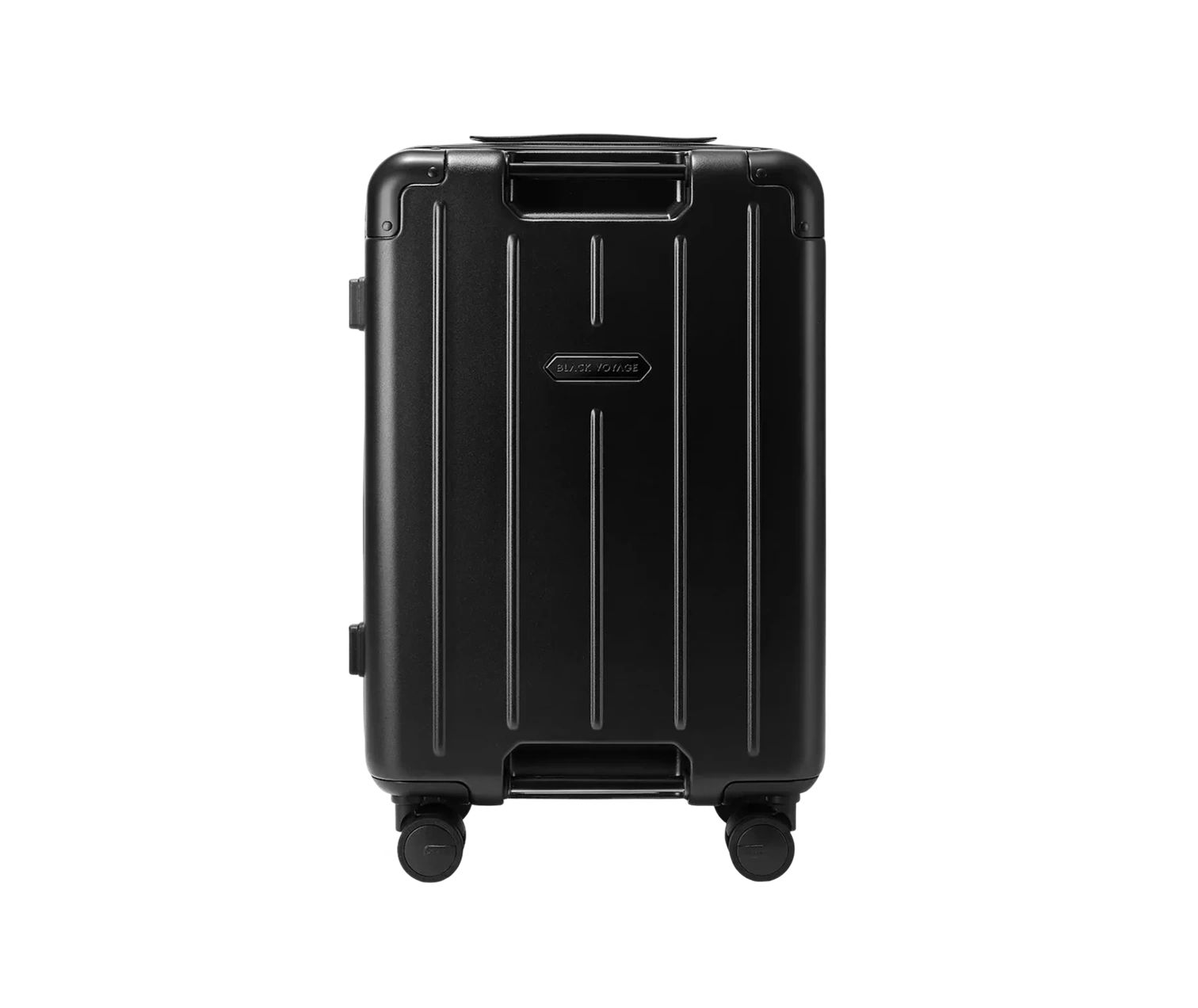
Black Voyage Air Cabin Pro – $280
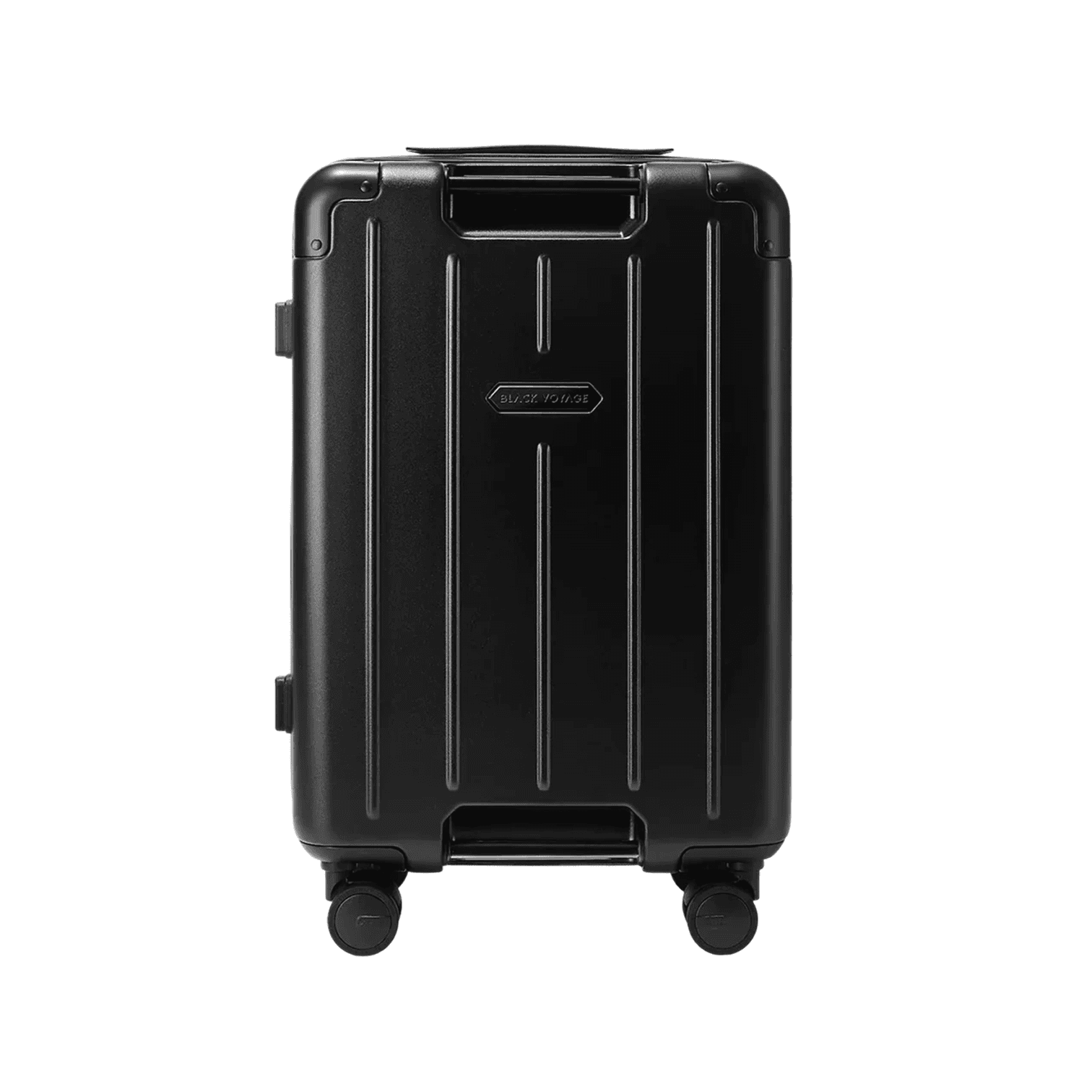
Packing compression is a problem most carry-on luggage ignores. The bag has a fixed volume, you fit what you fit, and anything beyond that goes into checked luggage or gets left behind. Black Voyage takes a different approach with the Air Cabin Pro: a Vortex Vacuum-Seal compression system that claims up to 57% more packing capacity without changing the exterior dimensions. Whether you hit that number depends on what you're packing. That it works meaningfully is not in question.
The BAYER polycarbonate shell is reinforced with T6 aluminum corner caps, the specific points of impact that cheaper bags sacrifice first. Hinomoto Silent Run wheels appear again here, a consistent indicator of quality across the better bags in this category. The four-stop telescopic handle and puncture-resistant YKK RCW zippers suggest construction thinking beyond the first year of ownership. A concealed smart tracker pocket and USB-C passthrough for external batteries address modern travel needs without cluttering the exterior design.
The re/cor recycled nylon interior lining and magnetic quick-lock compression panel keep packing organized in a way that feels considered rather than complicated. At $280, the Air Cabin Pro is the most affordable bag in this lineup, and the compression technology is the differentiator that justifies its inclusion over less distinctive options. The all-black aesthetic is deliberate and consistent throughout. For digital nomads and frequent flyers who pack heavy and travel light, this is the bag that solves the most specific problem on this list.
Samsonite Proxis Global Carry On Spinner – $500
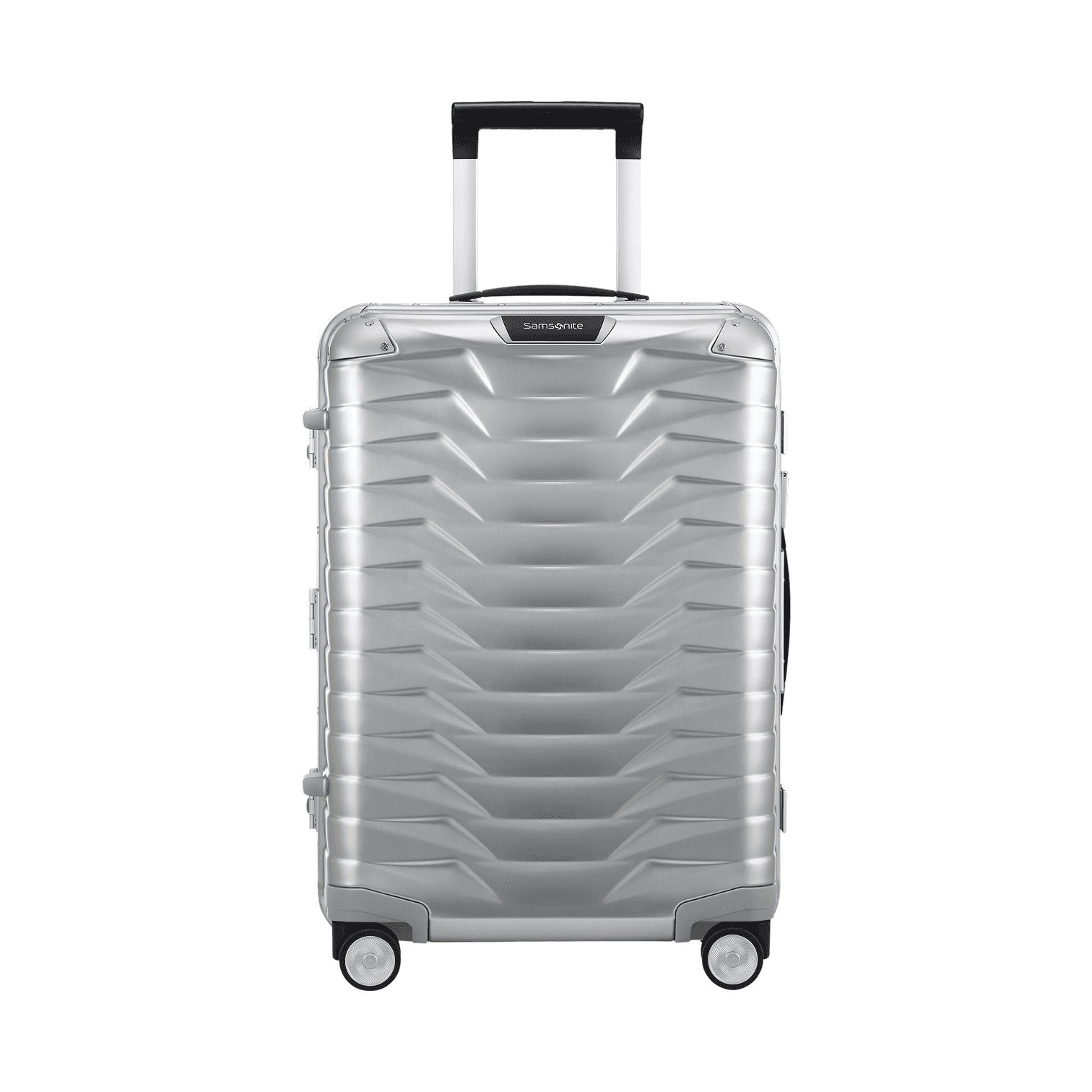
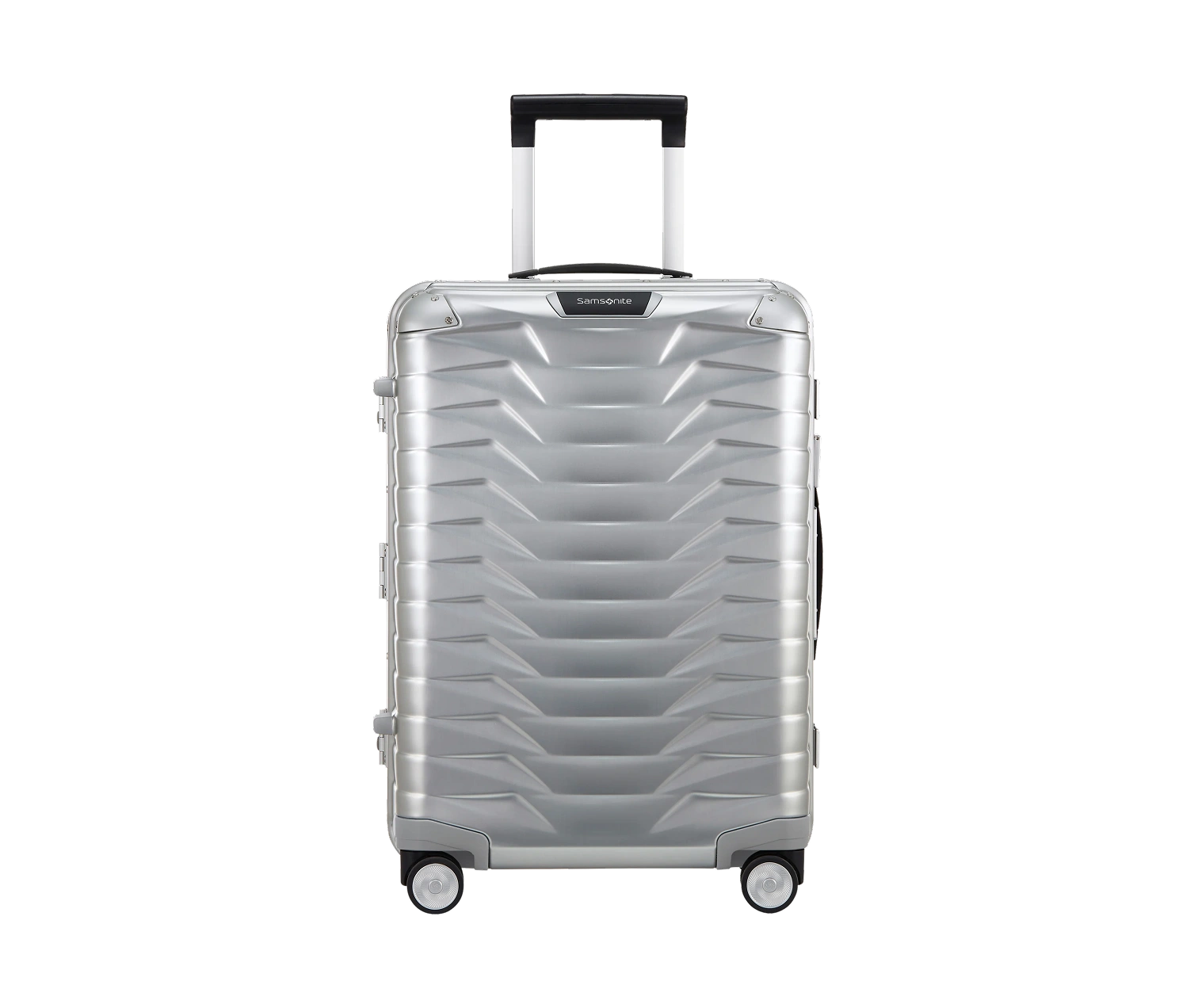
Carry-on luggage has become a study in compromise. Most hardside spinners feel either indestructible and heavy, or light enough to raise questions about durability. Samsonite's Proxis Global Carry On Spinner finds the middle ground more convincingly than most bags at this price. The Roxkin outer shell uses multi-layered lightweight construction that keeps the bag at 4.7 pounds while maintaining the structural integrity expected from a hardside suitcase built for frequent use.
The dual spinner wheels move with genuine fluidity, and the aluminum telescoping handle with ergonomic push-button grip won't develop slop after months of travel. A 0.5-inch expansion feature handles the reality of return trips, when packing tends to expand beyond original intentions. The TSA-friendly keyless lock removes the friction of managing separate security devices. These are not exciting features. They are features that matter every time you use the bag, which is the better standard.
The interior is lined with Recyclex material made from post-consumer recycled PET bottles. Samsonite doesn't make a loud statement about this. It's simply how the bag is built. Cross ribbon straps organize contents without the visual clutter of excessive compartments, and a built-in USB port has crossed from performative to genuinely useful on a bag at this price point. The 10-year warranty is the detail that separates the Proxis from bags that look comparable on paper. At $500, it sits in the range where travel essentials start to feel like investments rather than expenses, and the construction backs that positioning.
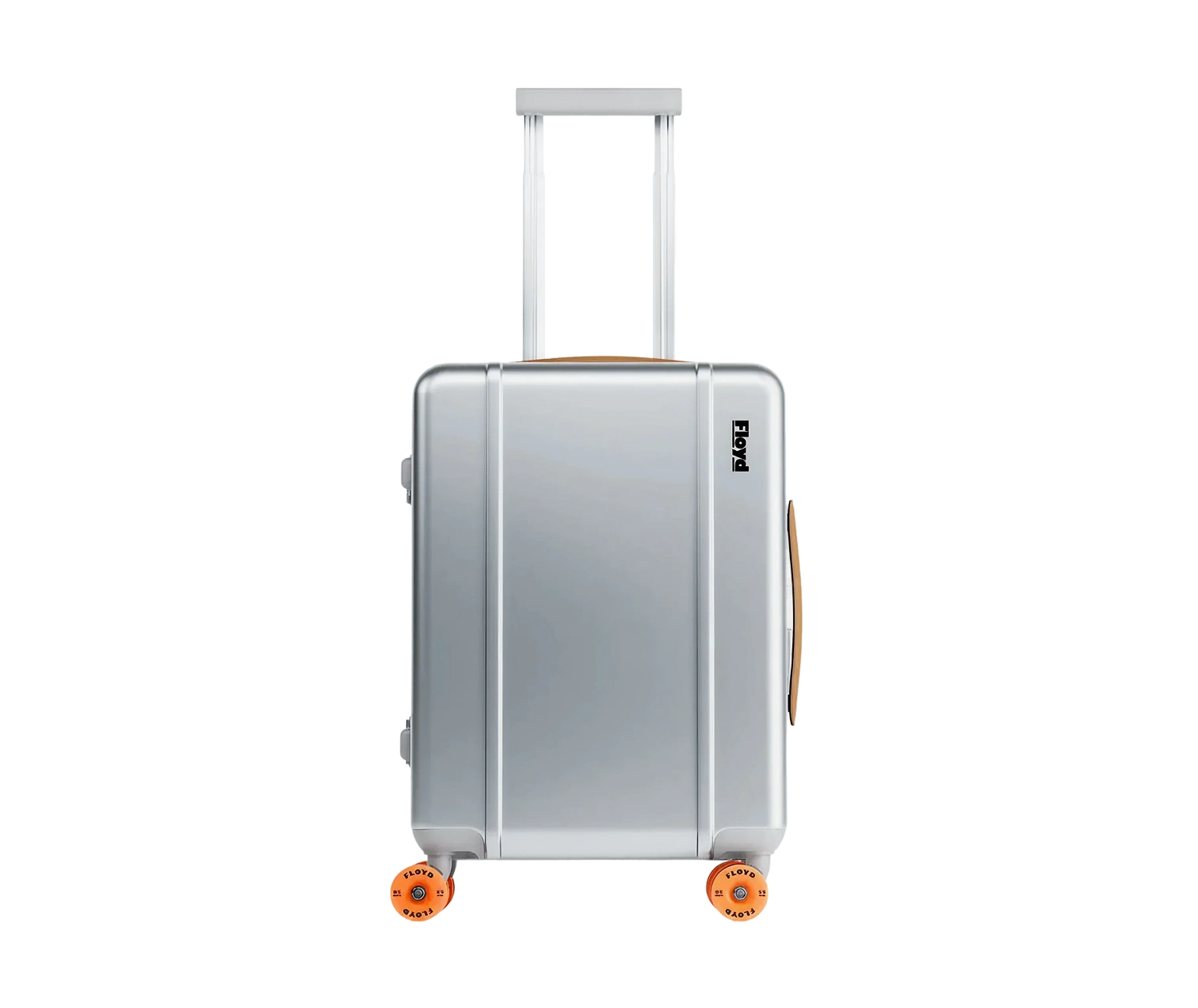
Floyd Cabin Aluminum – $1,145
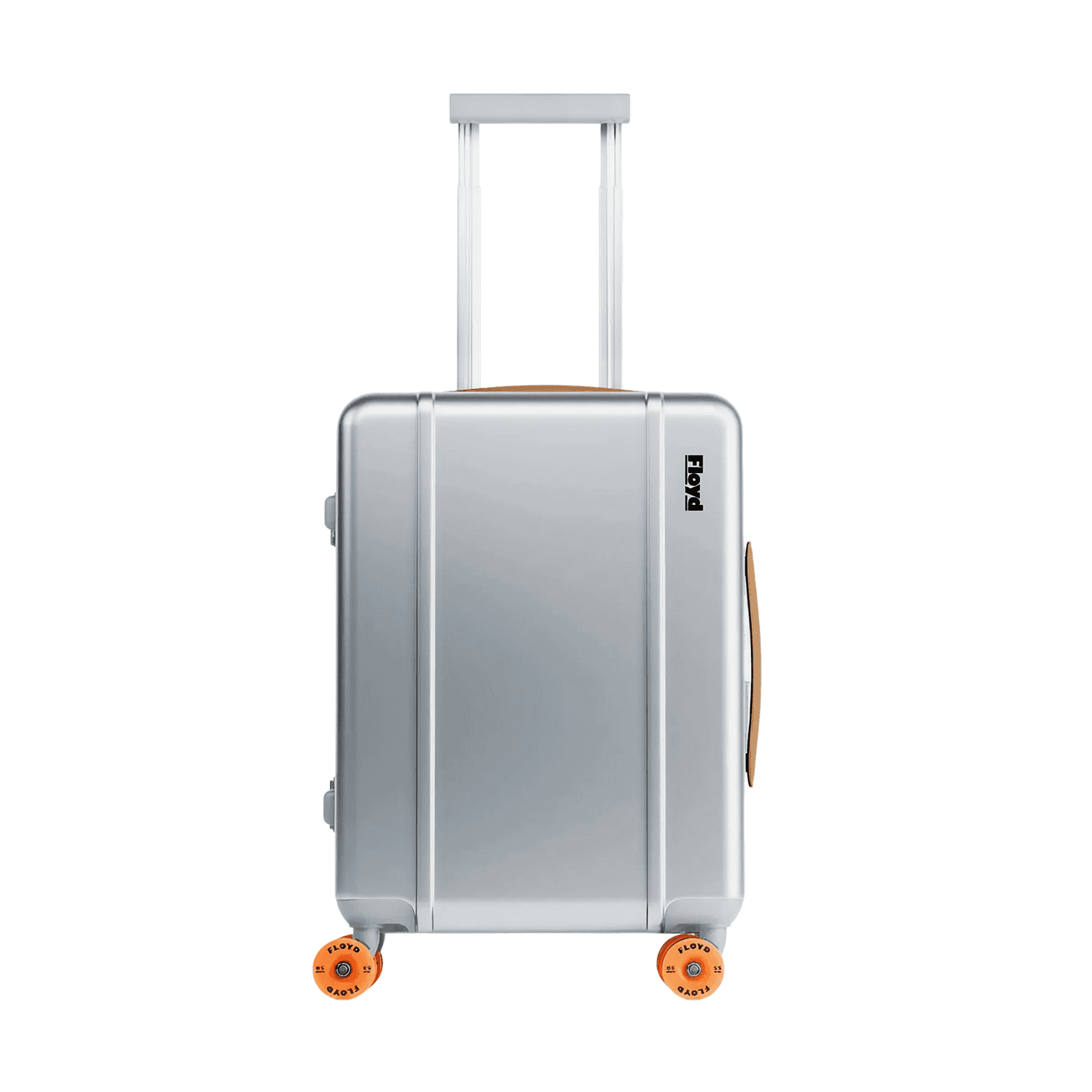
Aluminum luggage occupies a strange middle ground. It promises durability and a certain industrial aesthetic, but most aluminum bags deliver one at the expense of the other. They're either beautiful and fragile-feeling, or built like flight cases and weighted accordingly. Floyd's Cabin Aluminum takes a more considered position: aluminum construction that prioritizes the material's honest qualities without fetishizing them.
Floyd built its reputation on furniture that respects material honesty, and the Cabin Aluminum extends that philosophy into the metal goods category without forcing the connection. The shell is aluminum throughout, finished with a restraint that distinguishes it from bags that use the material as a style statement. The hardware is consistent in quality and weight. The interior reflects the same thinking: organized without being over-engineered, finished without being fussy. This is a bag that will develop marks and character over years of use, and look better for it.
At $1,145, it sits just below the Rimowa Classic Cabin and occupies a different position in the market. Where Rimowa's grooved shell is immediately recognizable, Floyd's Cabin Aluminum is quieter. It's the bag for someone who wants aluminum construction and genuine craftsmanship without the brand recognition that comes with the Rimowa price. The tradeoff is that Floyd is newer to luggage than to furniture, and the long-term track record is still being written. What exists so far suggests the brand's commitment to considered design carries across categories. For executive travel where the bag needs to perform as well as it looks, this one earns its place.
The thread connecting these six bags is not price. It's intention. Each one was built around a specific set of decisions about materials, construction, and the kind of traveler who will use it for years rather than seasons. The Rimowa and Floyd sit at the top of the range because aluminum justifies the investment over time. The Monos, July, and Black Voyage offer genuine quality at a third of that cost, with specific features that serve specific travel patterns. The Samsonite Proxis sits in the middle, doing everything well without doing any single thing exceptionally.
The best premium carry-on luggage is the one that matches how you actually travel, not the one with the longest feature list. Buy for the trip you take most often, not the one you're planning for someday. The right bag becomes invisible. That's when you know you chose correctly.
Products mentioned
About the author
Justin Farrugia
Founder & Editor of Curated Supply
Justin Farrugia is the founder and editor of Curated Supply, a design-led directory to things worth owning. He has personally curated over 1,000 products across workspace, carry, coffee, audio, and the home, each judged against one standard: design intent, material quality, and the restraint that lets a thing last.