Best coffee accessories for cafe-quality drinks at home
Moka pots, AeroPress, Chemex and milk frothers: the coffee accessories that close the gap between a home brew and a great cafe cup, without an espresso machine.
Updated
The gap between a cafe cup and a home one is almost never the beans. Most specialty roasters ship the same bags to a house that they sell to a shop. What a cafe has is a scale on the counter, a way of texturing milk that does not produce bubbles, and somebody doing the same thing the same way every time.
The seven here cover that arc, from a stovetop pot that has not changed since 1933 to a scale that reads flow rate while you pour. One thing to settle before you buy either scale on this page: they max out at 99.9 g and 2,000 g respectively, which makes them tools for two completely different jobs.
1.Bialetti Moka Express
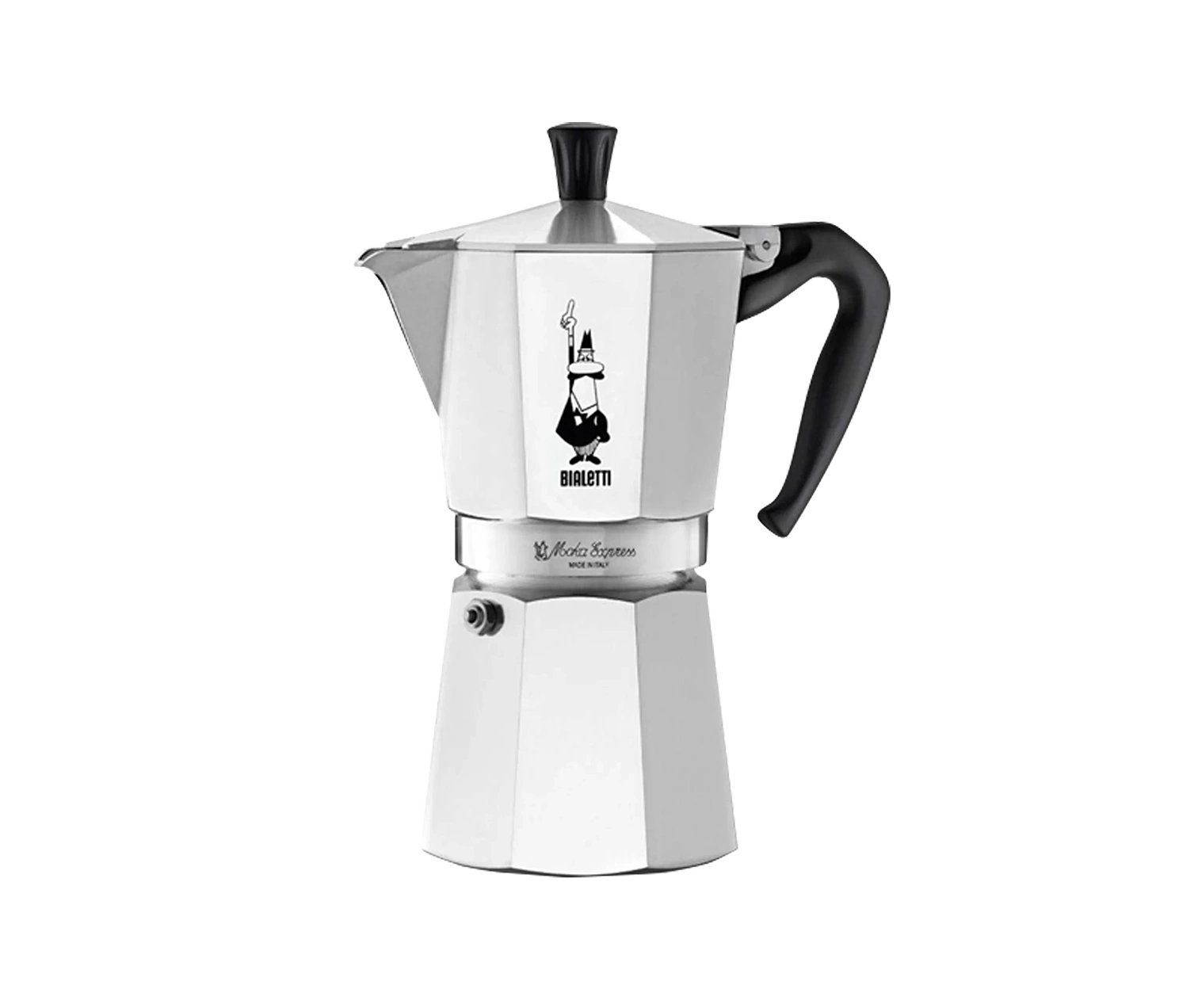
In production since 1933 and never meaningfully improved, which is the highest compliment an object can be paid.
The octagonal body is the reason, and it is structural rather than decorative: the facets distribute heat around the aluminium evenly so the water at the base reaches pressure without a hot spot scorching the grounds above it. Round would be simpler to cast and would brew worse.
The Moka Express makes a concentrated cup at around 1.5 bar, which is well under an espresso machine's nine and well over a filter's nothing. It is its own category of drink and the one most of Italy actually drinks at home.
No electricity, no pods, no paper. Bialetti sells a safety valve you can reach for cleaning, a handle that stays cool, and a device with nothing in it to fail. It is the cheapest thing on this page by a distance.
2.AeroPress Premium
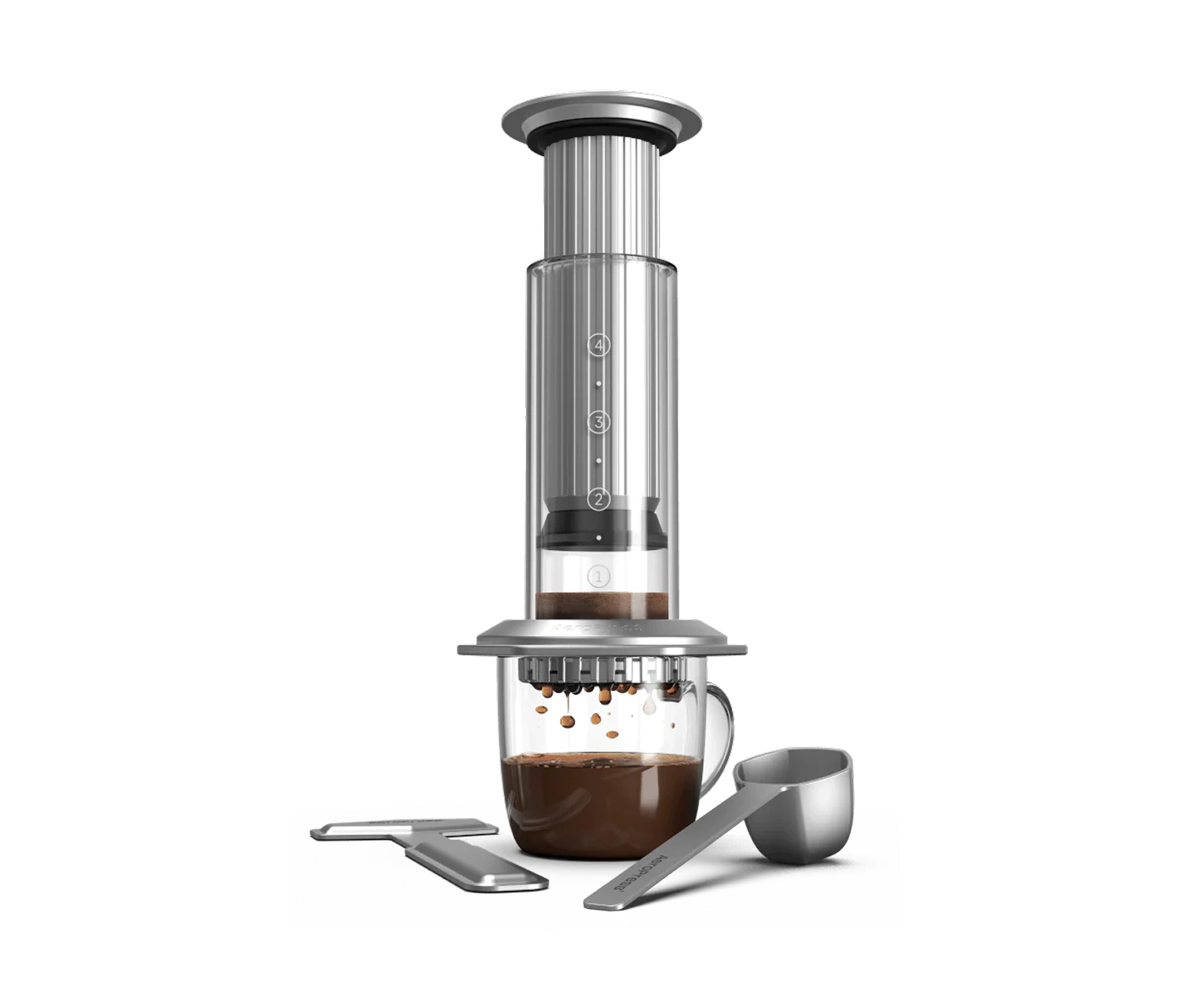
The brewing method is identical to the plastic original, which is exactly the point of the exercise.
An AeroPress works by immersion followed by pressure through a paper filter, which is why the cup lands between a French press's body and a pour-over's clarity with none of the grit of either. Nothing about the Premium changes that recipe.
What changes is the object. Glass and metal where there was polypropylene, weight in the hand, and a plunge that moves with resistance instead of squeak. For a device used every morning for a decade, that is a reasonable place to spend.
Single cup at a time, which suits one person and frustrates two. The paper filters are the consumable, and they are cheap.
3.Chemex Six Cup Classic
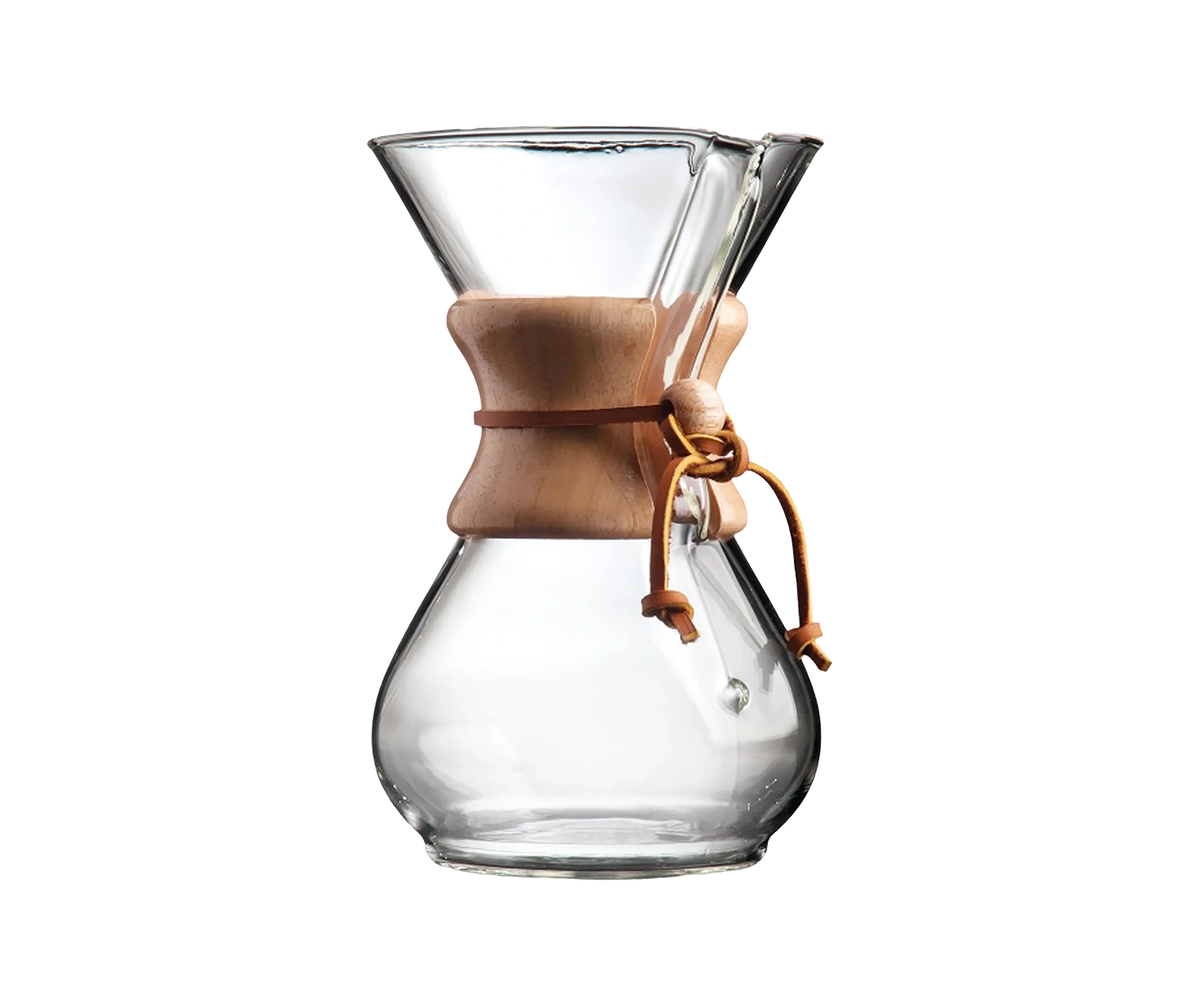
In MoMA's permanent collection since 1944, and the filters are the reason it brews the way it does.
Chemex's bonded filters are substantially heavier than standard pour-over paper, so they hold back more oils and more fine sediment. That produces the cleanest, brightest cup of any method here, and it is also why a Chemex cannot make a heavy-bodied coffee: the filter takes out the compounds that would have made it heavy.
The vessel is one piece of borosilicate glass with a wooden collar, so there are no seams, no fittings and nothing to fail. Brew and serve from the same object.
The Six Cup Classic is the size that suits two people at breakfast. It wants a gooseneck kettle and a scale to be worth the trouble, which is the honest cost of the method.
4.Subminimal NanoFoamer Pro
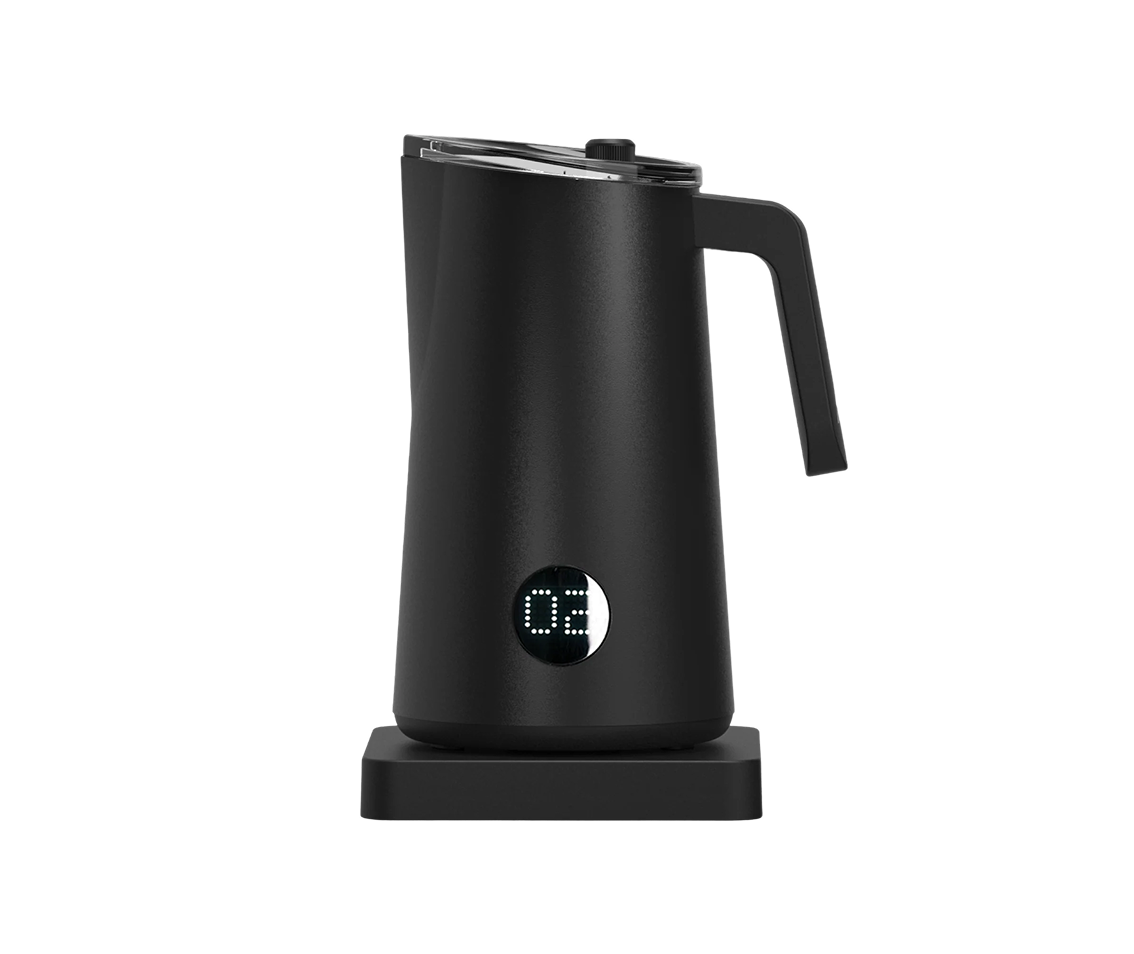
Most home setups fail here, and it is not at the espresso.
Milk is the variable nobody dials in. A perfect shot poured into loose, bubbly foam is a worse drink than a mediocre shot in properly textured milk, because texture is most of what a flat white is. Steam wands solve it by injecting air and then shearing it into microbubbles; a whisk frother makes big bubbles and calls it foam.
Subminimal puts a nano-screen in the NanoFoamer Pro and pushes milk through it, which shears the air into bubbles small enough to read as liquid. The result is dense and paintable, close to what a commercial wand produces.
Nothing else on this page changes the drink this much for the money.
5.Subminimal Flick WDT Tool
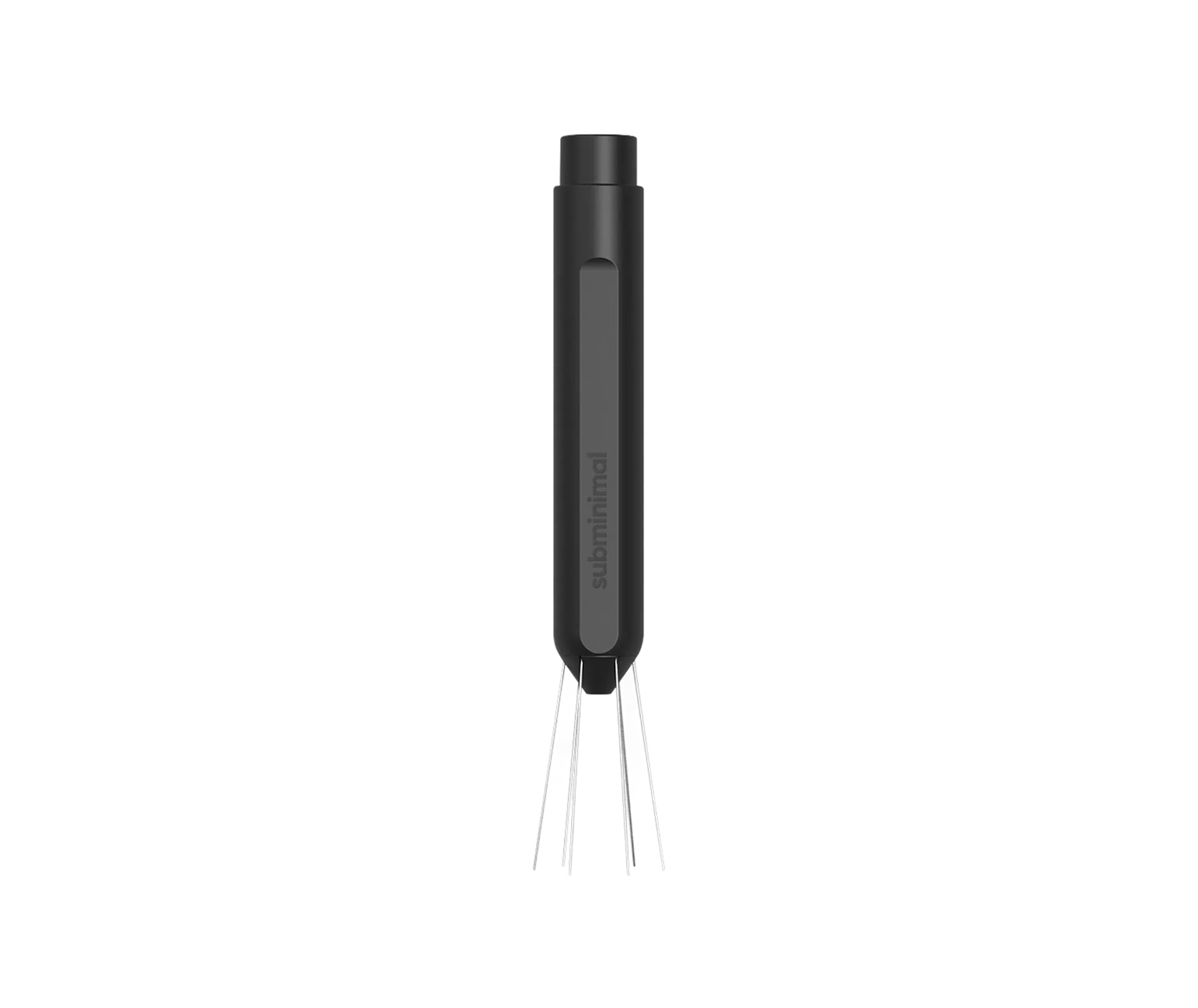
A handle with needles in it, which makes no sense until you understand what it prevents.
Ground coffee clumps as it leaves a grinder, and a clump in a portafilter basket is a dense spot the water refuses to pass through. Water takes the easy path instead, over-extracting the loose grounds and under-extracting the clump, and the shot arrives sour and thin in the same mouthful.
The Weiss Distribution Technique breaks those clumps by stirring the bed with fine needles before tamping. The Flick is that idea with nothing added: needles, a body that stands up on a counter, and no housing to clean.
It is the cheapest item here after the Moka pot, and on an espresso setup it is the one with the largest ratio of improvement to cost.
6.Subminimal Subscale
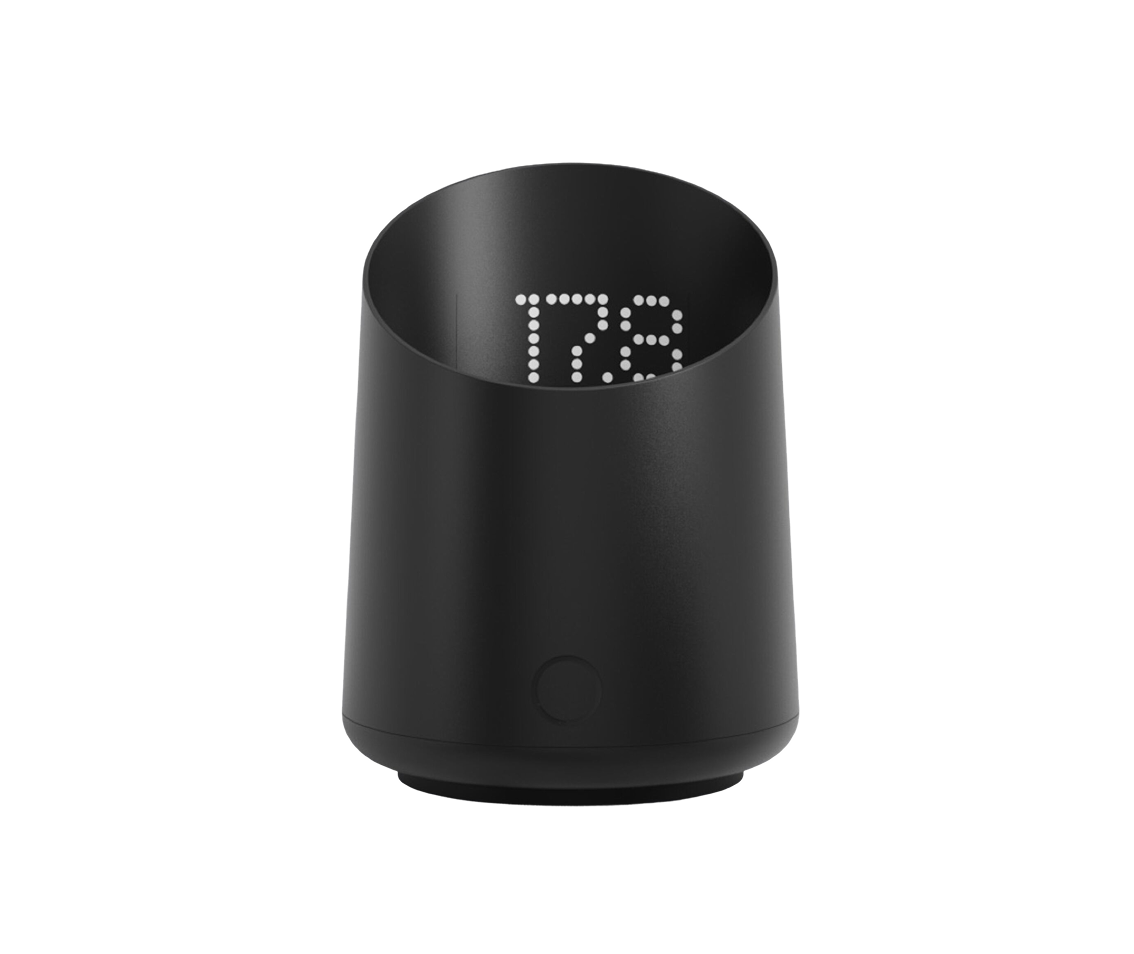
Accurate to 0.1 g with a maximum display of 99.9 g, which decides what it is for before anything else does.
That ceiling is the specification to understand. Ninety-nine point nine grams weighs a dose of beans and an espresso shot in the cup, and it cannot weigh a pour-over, because 300 g of water into a Chemex is three times its range. The Subscale is a dosing and espresso scale, and it is an excellent one.
80 × 80 × 105 mm, so it stands on an espresso drip tray without overhanging it, which is the shape most scales get wrong. IPX-4 rated, which on a machine that sprays is not decoration.
USB-C off a 400 mAh cell. Buy it to dose beans and catch shots, and buy something else if there is a pour-over in your future.
- Resolution
- 0.1 g, or 0.01 oz
- Maximum
- 99.9 g display
- Dimensions
- 80 × 80 × 105 mm
- Battery
- 3.7 V, 400 mAh, USB-C
- Rating
- IPX-4
Specifications as published by the manufacturer. Source
7.Acaia Pearl
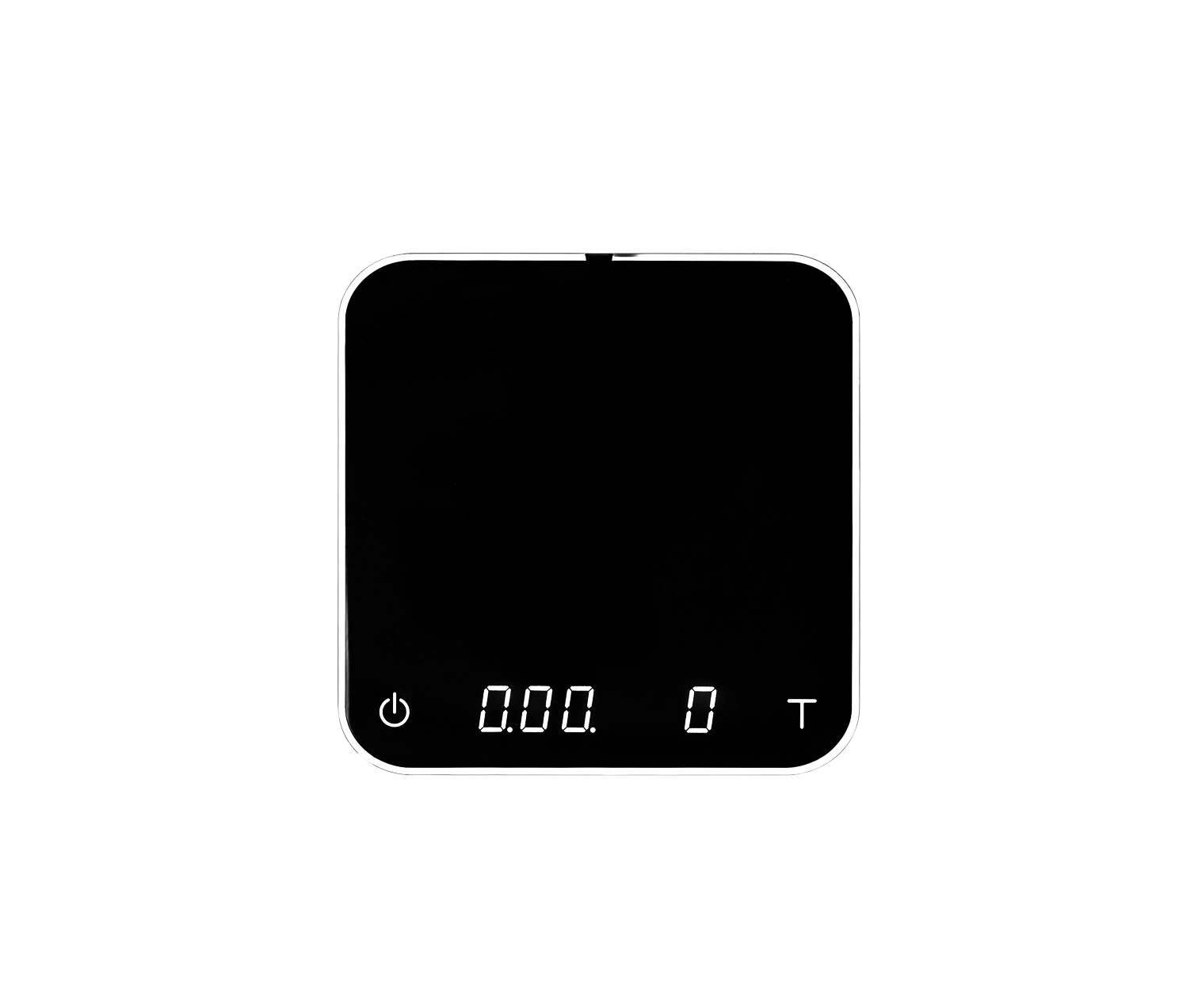
0.1 g to a 2,000 g capacity, which is the range that covers every brewing method at once.
That is the difference between this and the Subscale. Two kilograms takes a full Chemex, a kettle on the platform, or a bag of beans, and 0.1 g resolution at that capacity is the harder engineering problem. The Pearl is on specialty counters worldwide for this reason.
The refresh rate is the other half. It updates fast enough to show flow rate in real time while you pour, which turns a pour-over from a sequence of guesses into something you can correct mid-brew.
160 × 160 × 32 mm and 500 g. A 1100 mAh cell gives 30 to 40 hours of continuous use over USB-C, and Bluetooth 5.0 connects it to brewing apps. Acaia puts dual display, auto-start timer and beverage modes on it.
- Resolution
- 0.1 g
- Maximum
- 2000 g (70.55 oz)
- Dimensions
- 160 × 160 × 32 mm
- Weight
- 500 g ± 5 g
- Battery
- 3.7 V 1100 mAh, 30–40 h, USB-C
- Connectivity
- Bluetooth 5.0
Specifications as published by the manufacturer. Source
What to look for in coffee equipment
Check a scale's maximum before its accuracy
Almost every coffee scale reads to 0.1 g, so accuracy is rarely the differentiator. Capacity is. A dosing scale like the Subscale tops out at 99.9 g, which covers beans and an espresso in a cup and nothing else. A brewing scale like the Pearl reaches 2,000 g, which takes a full carafe and the water going into it. Buying the first for the second job is the most common expensive mistake in home coffee.
Refresh rate is what makes a scale useful during a pour
A scale that updates once a second tells you what you did. One that updates several times a second tells you what you are doing, which lets you correct the pour rate while the water is still going in. That responsiveness, not resolution, is what separates a specialty scale from a kitchen one.
Milk texture is where most home drinks are lost
A flat white is mostly milk by volume, so milk texture is most of the drink. Steam injects air and then shears it into microbubbles; a whisk frother makes large bubbles that collapse. Anything that forces milk through a fine screen gets closer to a wand than a whisk does, and for a milk drinker it is a bigger upgrade than a better grinder.
Filter weight changes the cup more than the brewer does
A Chemex tastes different from a V60 largely because of the paper. Heavier bonded filters trap more oils and fines, producing a cleaner, brighter, lighter-bodied cup; thinner papers let more through and give more body. If a brew tastes thin, the filter is a cheaper thing to change than the method.
Which of the seven
So: a concentrated cup with no electricity, the Moka Express. One clean cup a day, the AeroPress. Two people at breakfast, the Chemex. Milk that behaves, the NanoFoamer. A better shot for thirty pounds, the Flick. Dosing and espresso, the Subscale. Everything else, the Acaia Pearl.
You do not need all seven. Start with the brewer that matches how you drink, add a scale that covers it, and stop. The rest of the counter is in coffee gear that actually looks good.
How we chose
We chose these seven on where a home setup actually loses to a cafe, which is measurement and milk rather than beans. Acaia and Subminimal publish full specifications for their scales, so those two picks carry panels, and comparing them is what surfaced the important difference: one reads to 99.9 g and the other to 2,000. Bialetti, AeroPress, Chemex and the other Subminimal tools publish nothing our fetcher can read, so five picks carry no panel and there is no comparison table across seven products doing four unrelated jobs.
Common questions
Check the maximum before the resolution, because nearly every coffee scale reads to 0.1 g and they differ enormously in capacity. A dosing scale like the Subminimal Subscale tops out at 99.9 g, which weighs beans and an espresso in the cup and nothing more. Pour-over needs 500 g or more of capacity to hold the carafe and the water going into it, which is why brewing scales like the Acaia Pearl reach 2,000 g.
Because the bubbles are too big. A steam wand injects air and then shears it into microbubbles small enough that the milk reads as liquid rather than foam, and a whisk-style frother makes large bubbles that sit on top and collapse. Anything that forces milk through a fine screen gets much closer to the wand result, which for anyone drinking flat whites is a bigger upgrade than a better grinder.
Weiss Distribution Technique means stirring the ground coffee in the portafilter with fine needles before tamping. Coffee clumps as it leaves the grinder, and a clump is a dense spot that water refuses to pass through, so it routes around it: the loose grounds over-extract and the clump under-extracts, and both arrive in the same mouthful. On an espresso setup it is the cheapest meaningful improvement available.
The filter, mostly. Chemex's bonded papers are much heavier than standard pour-over filters, so they hold back more oils and more fine sediment. That gives the cleanest and brightest cup of any common method, and it is also why a Chemex cannot produce a heavy-bodied coffee: the compounds that provide body are the ones the paper removes.
No, and it is not trying to be. A moka pot brews at around 1.5 bar of pressure where an espresso machine works at nine, so it produces a concentrated coffee with no crema and a different balance. It is its own category, it is what a great deal of Italy actually drinks at home, and comparing it unfavourably to espresso misses what it is for.
About the author

Justin Farrugia
Founder & Editor of Curated Supply
Justin Farrugia is the founder and editor of Curated Supply, a design-led directory to things worth owning. He has personally curated over 1,000 products across workspace, carry, coffee, audio, and the home, each judged against one standard: design intent, material quality, and the restraint that lets a thing last.