·
·

Justin Farrugia
Shared play has a quiet way of revealing what people value. The games someone keeps on their coffee table, the puzzle left half-finished on a Sunday afternoon, the deck of cards pulled out after dinner: these objects carry a different weight than the ones tucked in a closet. They're chosen twice, once when purchased and again every time they're left out in the open. The best ones earn that second choice.
This edit covers five objects from the gaming objects collection that hold up to both demands. They range from a chess set that doubles as shelf sculpture to a party game calibrated for international tables, and they share a common quality: each one was designed with enough intention that gifting it says something. Not just "here's a game," but "here's how I think about the time we spend together."
The lifestyle and home categories overlap here in a way that feels appropriate. These aren't objects that disappear after use. They sit out. They accumulate meaning. And for anyone building a living space where the objects on display reflect genuine taste, these are the board game gifts worth considering.
Printworks Art of Chess Set, $60
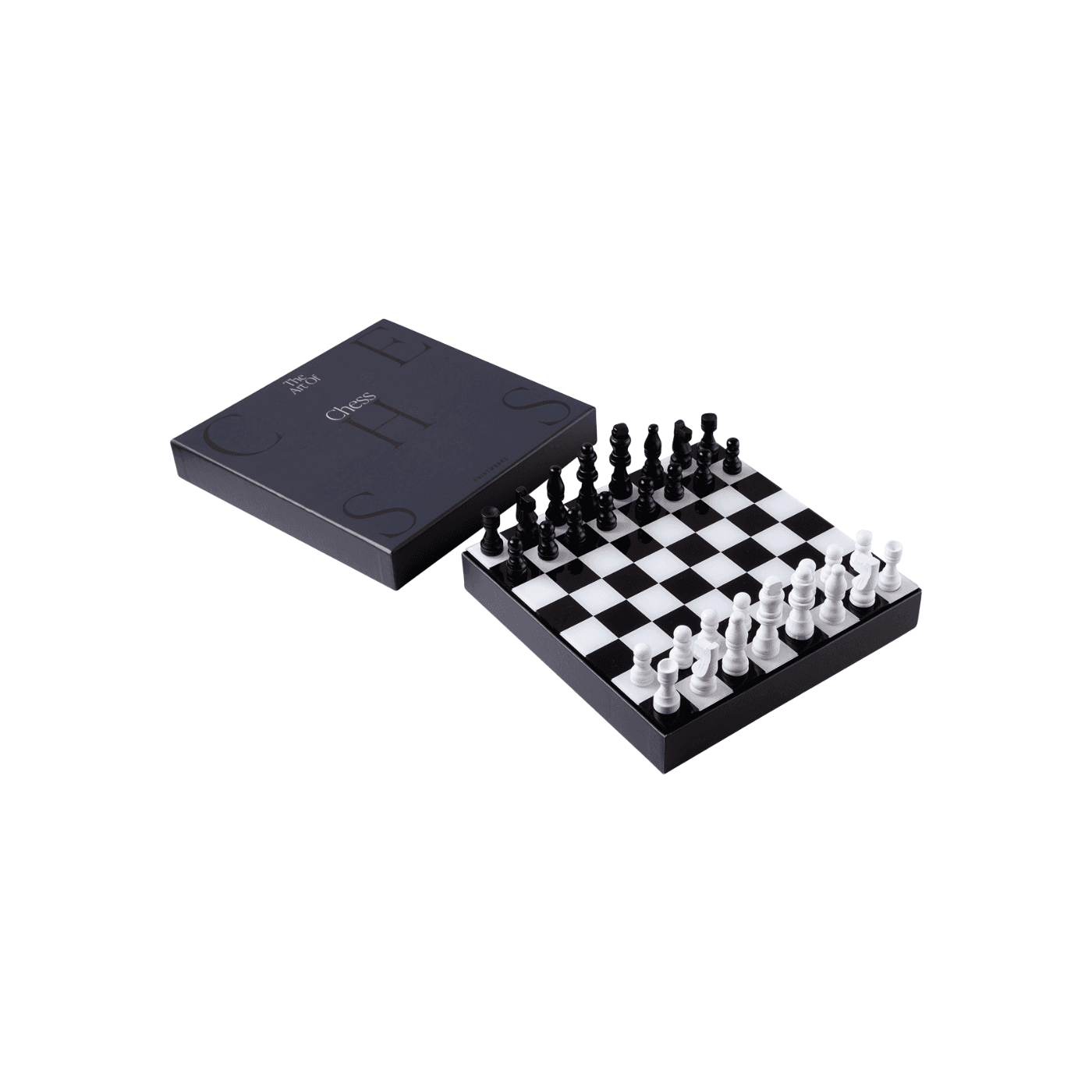
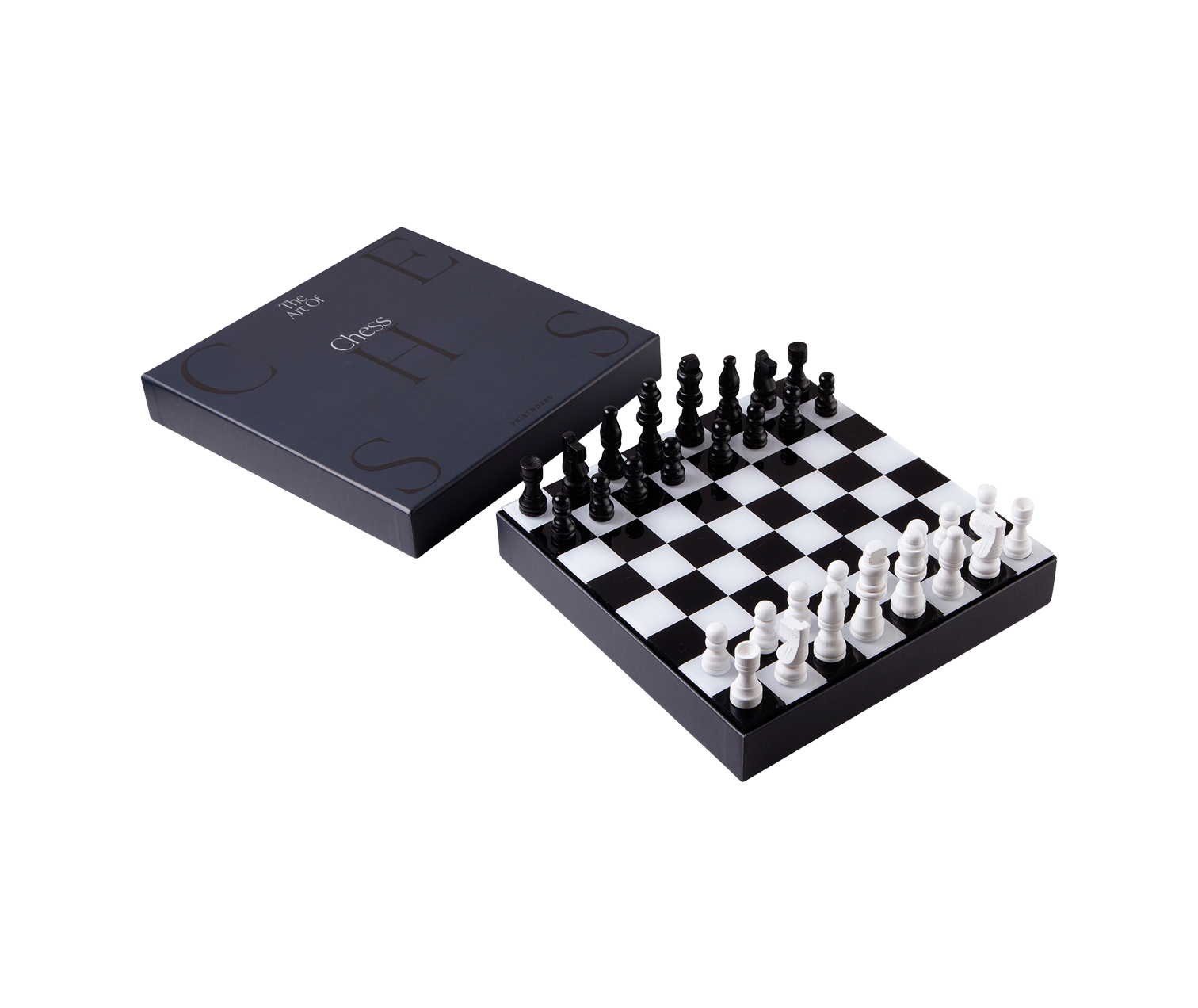
Most chess sets fail one of two tests. They're either beautiful objects that play terribly, with pieces too light or too similar in silhouette to read quickly across the board, or they're functional sets in ugly plastic that spend their lives in a box. Printworks, the Swedish design studio known for treating everyday objects as art pieces, built the Art of Chess Set to pass both.
The defining material decision is the acrylic-topped board. At 25 by 25 centimeters, the reflective surface creates depth beneath the wooden pieces, catching ambient light throughout the day in a way that makes the arrangement feel less like a game in progress and more like a considered object. It's the kind of detail that reads as subtle from across a room and reveals itself fully only when you're seated at it. The wood pieces are weighted appropriately for the scale, and the overall composition sits close enough to the ground that it reads as intentional on a low coffee table rather than awkward.
The packaging reinforces the intent. High-quality art paper with black and silver foil stamping suggests this was designed to arrive as a gift, not just ship as a product. Multilingual instructions in English, French, and German reflect confidence in the object's cross-cultural appeal. The Art of Chess Set belongs in the same mental category as coffee table books every home should have: objects that perform a function but earn their place through appearance.
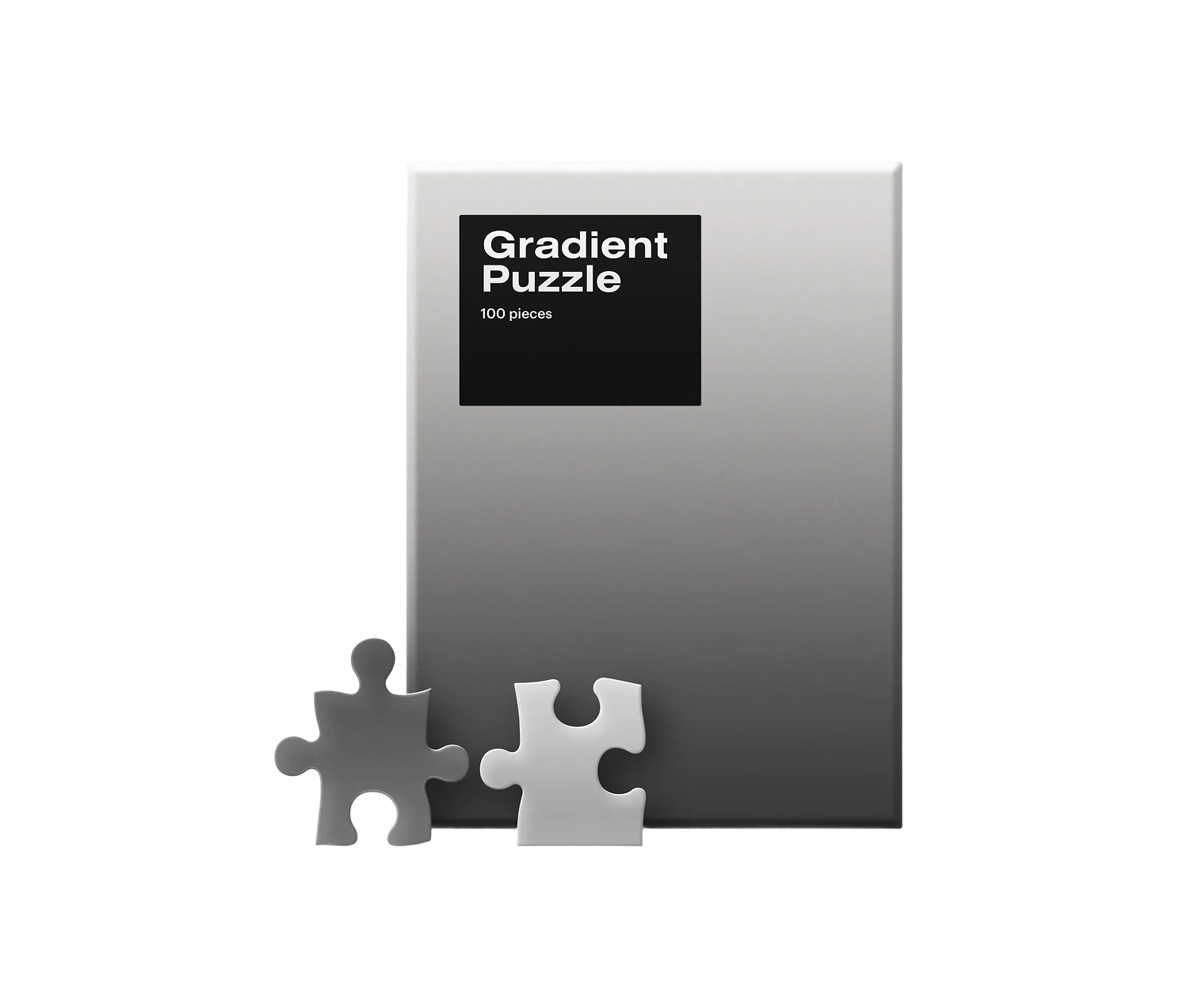
Areaware Gradient Puzzle, $28
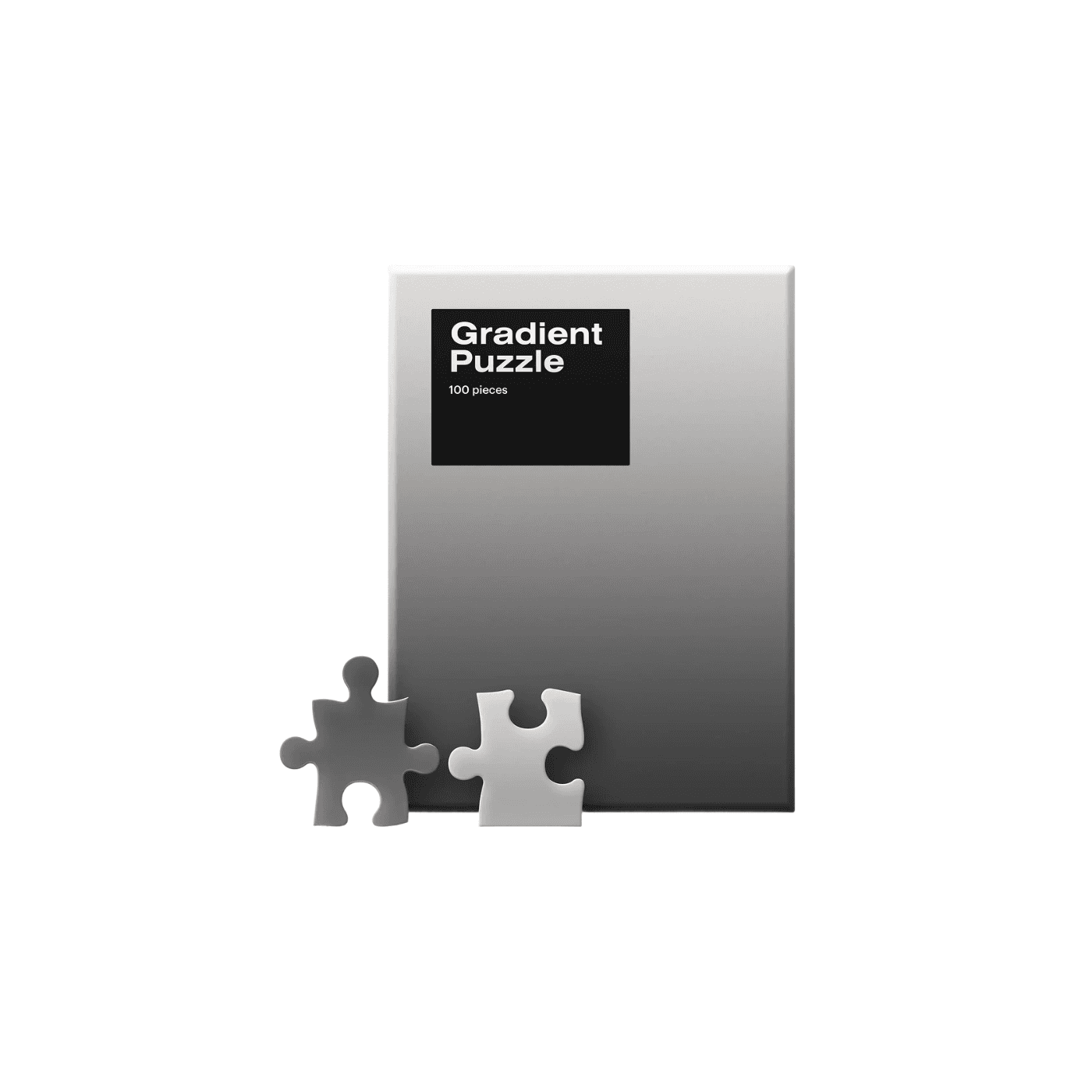
Where the Art of Chess Set earns its place through material refinement, the Gradient Puzzle earns its through conceptual restraint. Areaware has built a reputation for stripping familiar objects down to their essential logic and asking what's left, and this puzzle is that process applied to a category that rarely gets that treatment.
The premise: no image to reconstruct, no obvious edge pieces, no landmarks. The challenge is entirely about understanding color relationships and tonal transitions. Working through gradations forces a different kind of attention than standard jigsaw solving. It's slower, more observational, and the satisfaction at the end is quieter. The Gradient Puzzle isn't trying to entertain in the conventional sense. It rewards patience.
Left partially assembled on a desk or low table, it reads as a color study. The person who appreciates this probably already thinks about color more than most, and likely has a few design objects nearby chosen with similar care. It's a puzzle game that doubles as a quiet statement about how you spend your time.
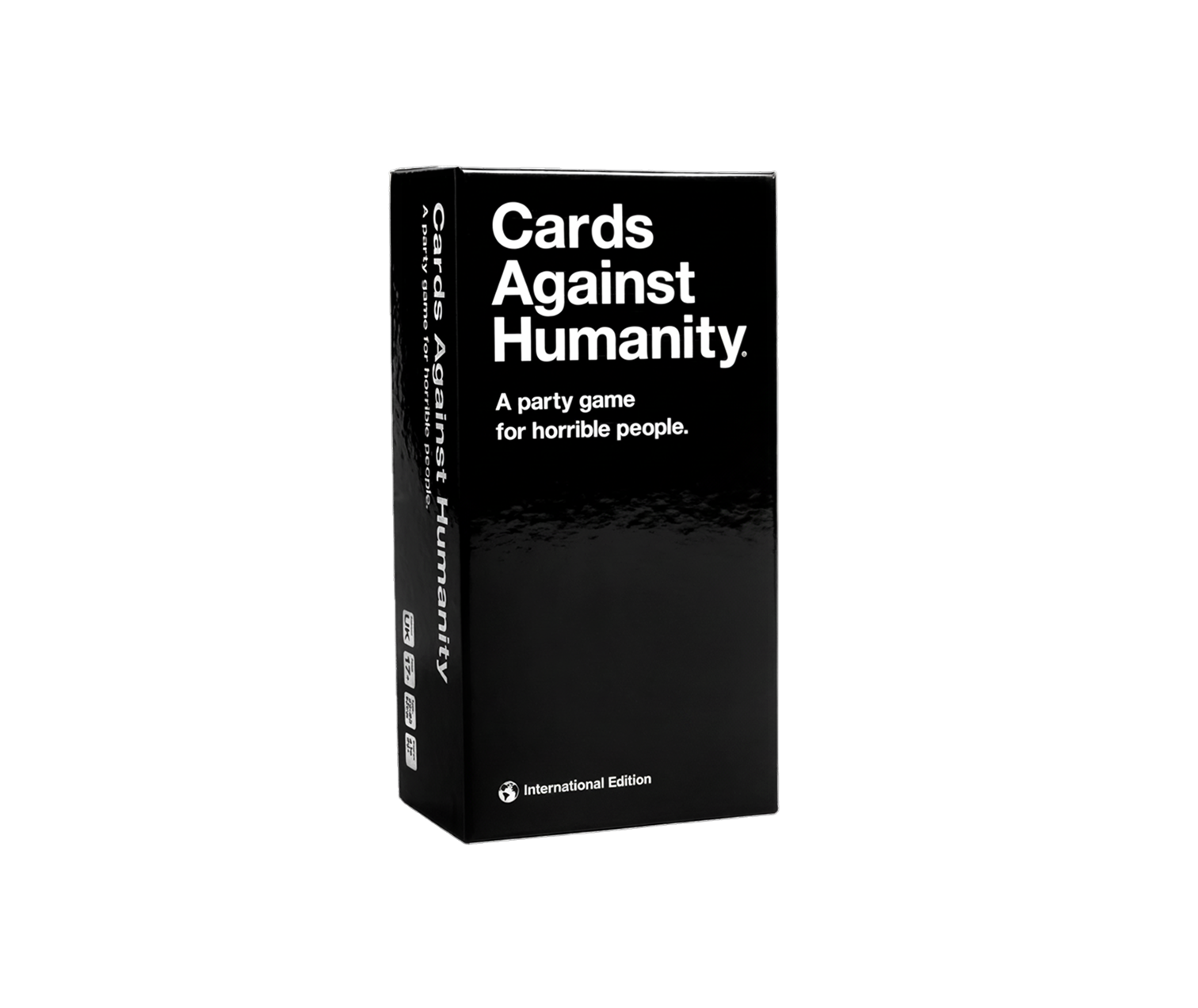
Cards Against Humanity International Edition, $30
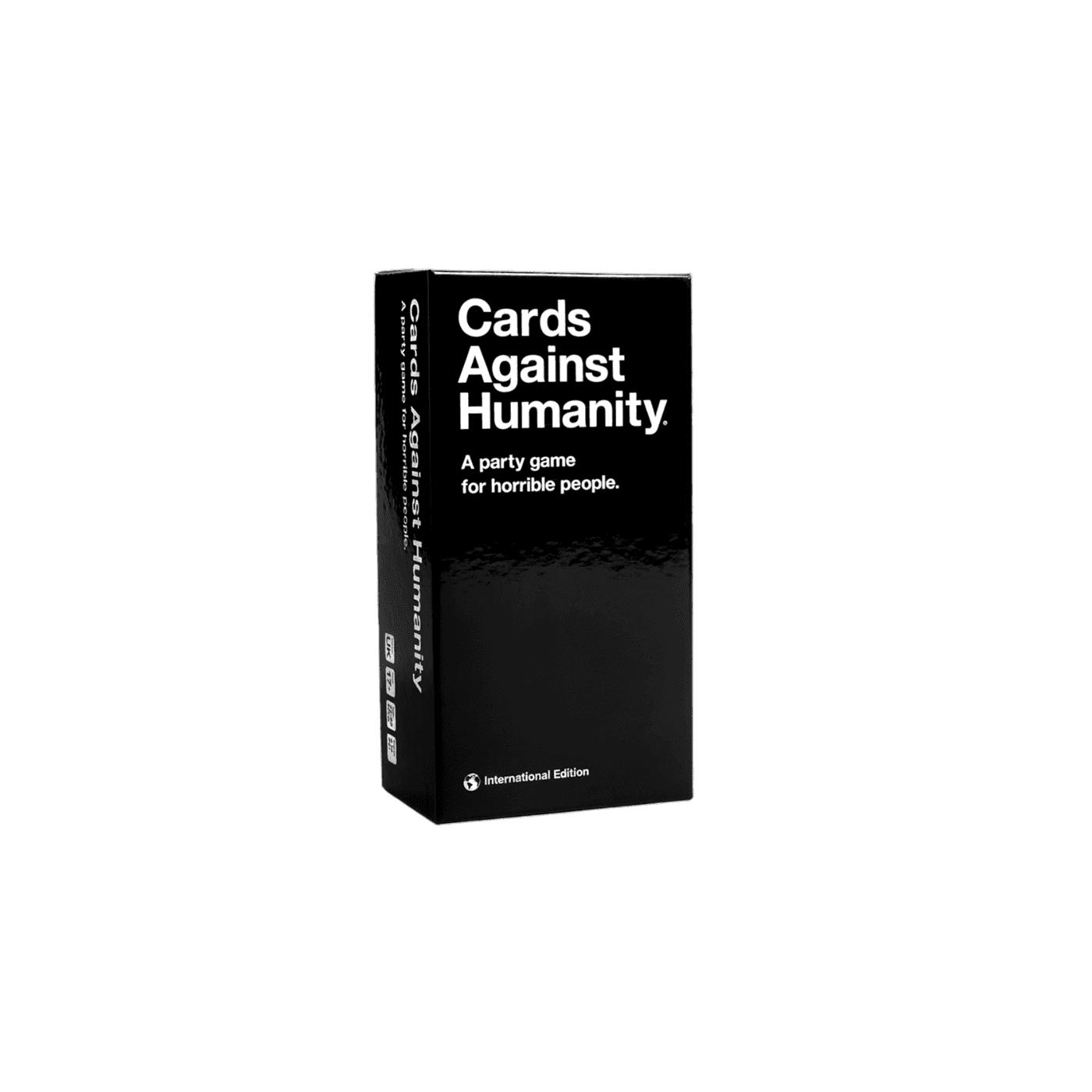
The problem with most party games isn't the mechanics. It's the assumptions baked into the content. A joke built around a specific cultural reference lands only for the people who share it, and at a table with guests from different countries, that's a significant portion of every round that simply doesn't work.
Cards Against Humanity addressed this directly with the International Edition. The deck contains 600 cards total, 510 white and 90 black, and rather than simply translating the original US edition, the team rebuilt the content to remove the obscure American references that don't travel. The Red Box expansion cards are folded in, and the result is a deck calibrated for mixed international groups without losing the irreverent tone that defines the game. The fill-in-the-blank mechanic stays intact. The humor shifts to land across different audiences.
What makes the International Edition worth recommending as a gift game is the restraint of the adaptation. The underlying structure that makes the game function, the pacing, the card ratio, the escalation of prompts, stays consistent. A deck of 600 cards gives enough variety that repeat plays don't feel stale. For anyone hosting gatherings where not everyone grew up watching the same television or reading the same magazines, this version acknowledges that geography shapes humor without becoming precious about it. It's a family game in the broadest sense: designed for the table where backgrounds differ and the evening needs to work for everyone.
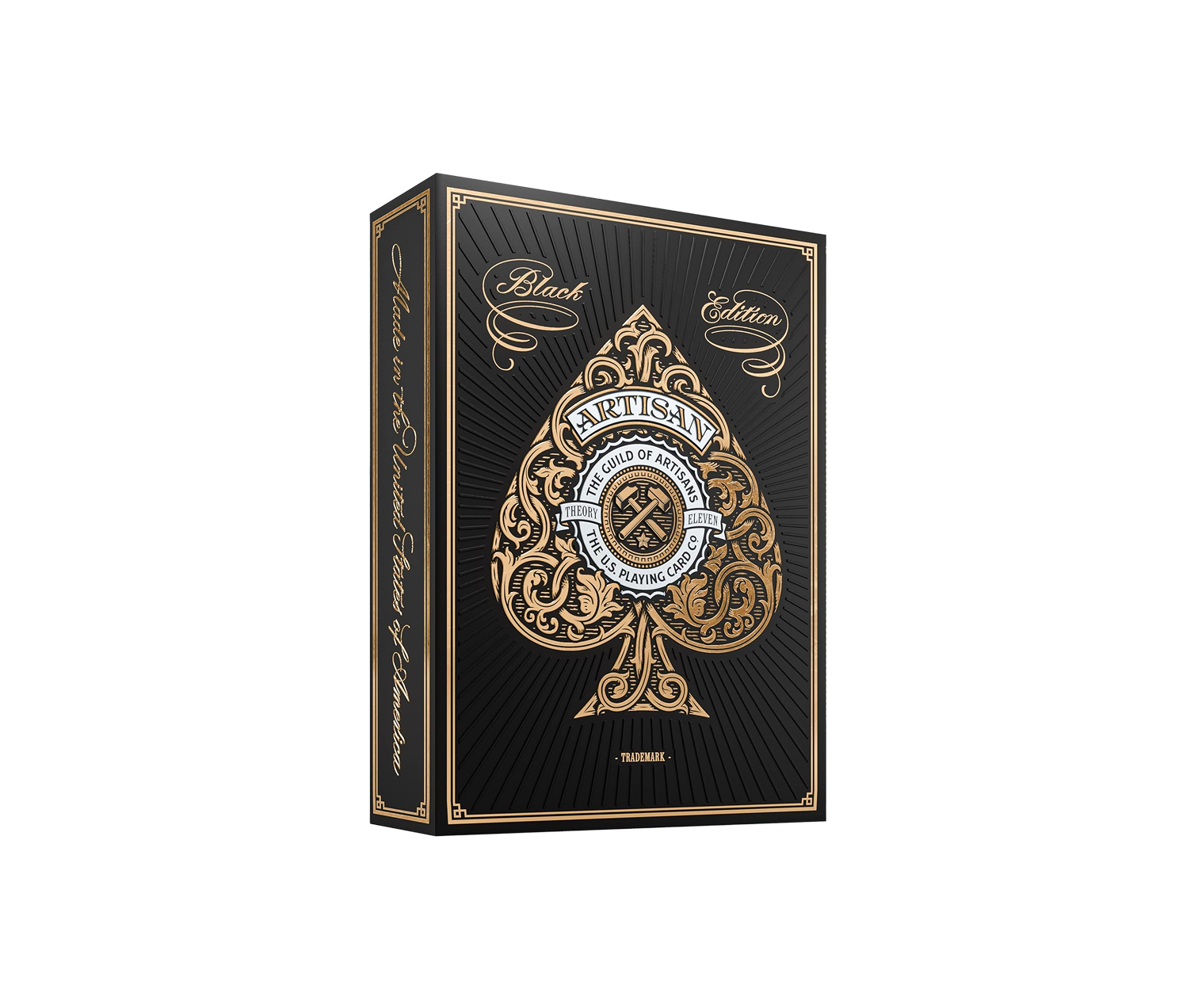
Theory 11 Artisan Playing Cards, $20
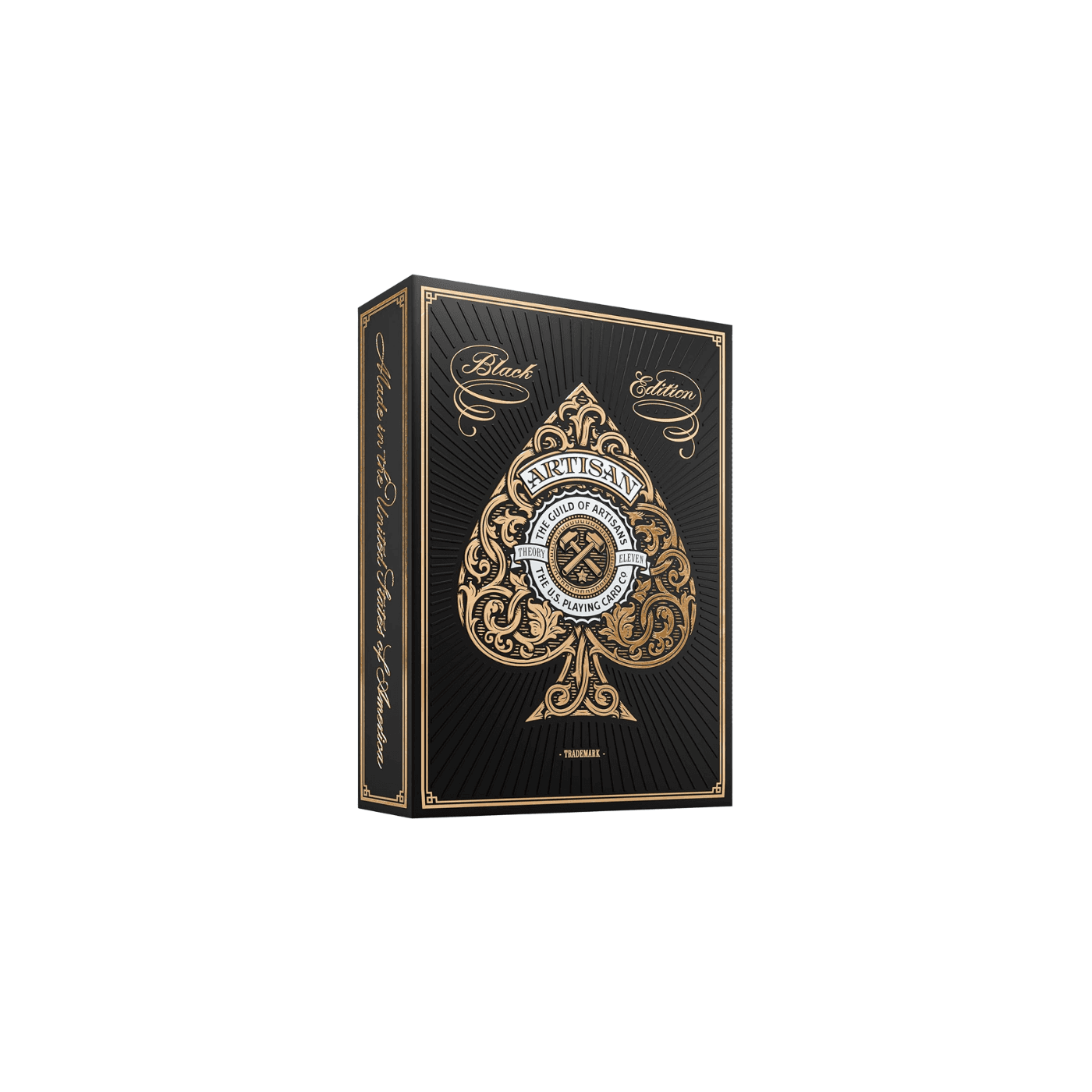
Playing cards sit at an interesting intersection of the lifestyle and everyday carry categories. Most decks serve their purpose and disappear. The ones worth keeping are the ones where material decisions were made with enough seriousness that the object improves with handling rather than degrades.
Theory 11 approaches the Artisan Playing Cards with a printer's precision. Gold foil hot stamped onto ultra-lux black paper sourced from sustainable forests: that choice alone separates this deck from standard cardstock before a single card is dealt. The black paper grounds the gold detail rather than competing with it. The visual hierarchy feels considered, not ornamental. This is restraint applied to a category that usually defaults to novelty.
The material integrity goes further than surface. Theory 11 uses FSC-certified papers and vegetable-based inks throughout production at The United States Playing Card Company, with starch-based laminates that handle shuffling without the plastic feel common to most decks. Each pack arrives sealed with a red tax stamp and a vintage sticker marked with the month and year of print, a small archival gesture that acknowledges the object's potential to outlast its initial use.
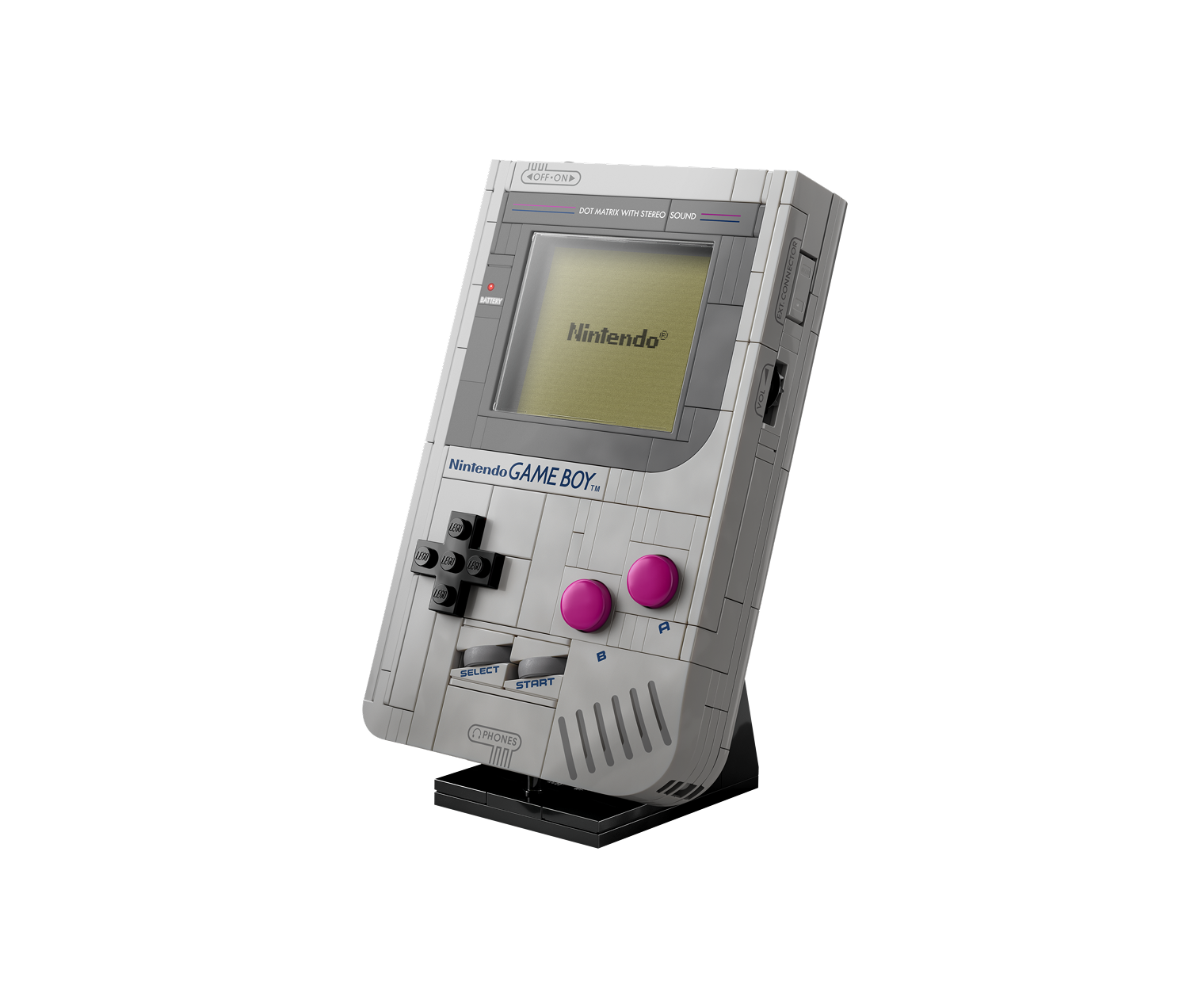
LEGO Game Boy™ 72046, $60
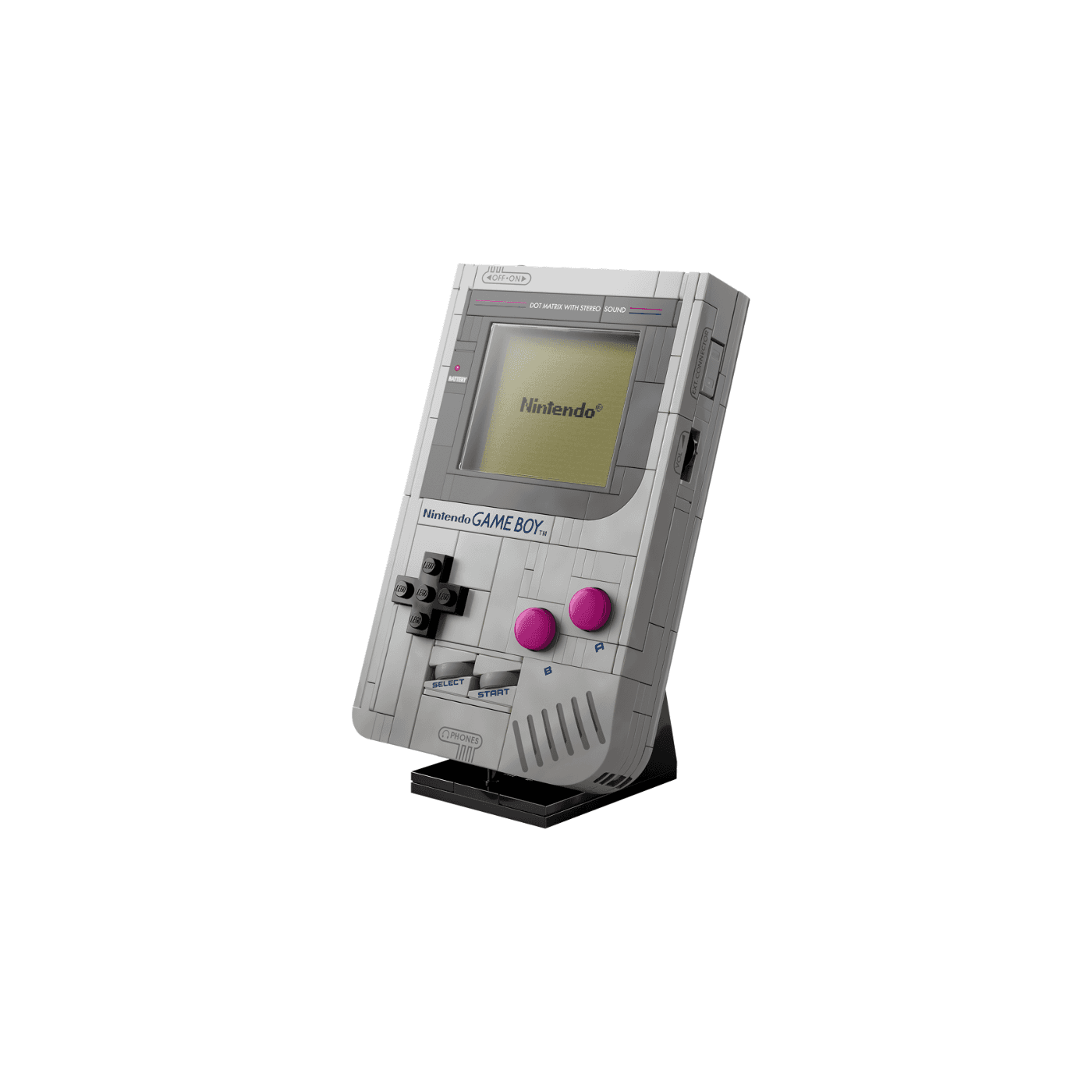
The Artisan Playing Cards treat a familiar object with unexpected seriousness. The Game Boy™ 72046 does something adjacent but different: it takes an object already saturated with memory and rebuilds it as something worth displaying. LEGO and Nintendo collaborated on a near 1:1 brick-built replica of the original Game Boy, complete with working buttons, a proper D-pad, and a cartridge slot at the back. The proportions are correct. The volume and contrast dials are there. The on/off switch is there.
What elevates this beyond a straightforward nostalgia object is the lenticular screen detail. Two interchangeable Game Paks, one for Super Mario Land and one for The Legend of Zelda: Link's Awakening, pair with screens that shift as you move the model. It's a small illusion that sells the whole thing from across the room. The build itself is relaxed without being boring, the kind of evening project that doesn't demand total concentration but rewards it. Once assembled and placed on the included stand, the Game Boy™ 72046 slots into a gaming setup or home office shelf as a retro centerpiece that earns its space.
The question of what belongs on a shelf is one the design toys and builds worth displaying on your shelf edit addresses at length, and the Game Boy™ 72046 fits that logic precisely: it's an object that references something real, builds into something tactile, and displays as something considered. Anyone drawn to portable gaming consoles that look as good as they play will find this occupies a different but related space, less about play and more about the culture that surrounds it.
Objects that play well, and gift even better
The thread running through these five picks is that none of them are purely functional. The Art of Chess Set is a sculptural object that plays chess. The Gradient Puzzle is a color study that assembles. The International Edition is a party game that acknowledges its audience. The Artisan Playing Cards are a collectible object that deals. The Game Boy™ 72046 is a display piece that builds. Each one operates on two registers simultaneously, and that's what makes them worth giving.
Shared play is most durable when the objects involved are worth returning to. These aren't gifts that get used once and shelved. They're objects that accumulate presence, that look better with use, and that say something about the person who chose them.
For anyone building a home where the objects on display reflect genuine thought, the home and lifestyle categories on Curated Supply are worth exploring further. And if the shelf these objects might occupy needs the right context around them, wall decor items worth hanging in your home office and best coffee accessories for cafe-quality drinks at home round out the room in a way that makes the whole thing feel considered rather than assembled.
Products mentioned
About the author
Justin Farrugia
Founder & Editor of Curated Supply
Justin Farrugia is the founder and editor of Curated Supply, a design-led directory to things worth owning. He has personally curated over 1,000 products across workspace, carry, coffee, audio, and the home, each judged against one standard: design intent, material quality, and the restraint that lets a thing last.