Deep work starter kit to help you enter flow state and lock in
Five tools that make deep work easier by fixing your environment: the HHKB keyboard, Norma Unit Disc, MX Master 4, Loop Quiet 2, and Anglepoise Type 75.
Updated
Concentration is an environment problem before it is a discipline problem, and the reason the productivity industry sells it as discipline is that discipline is cheaper to write about. A room that interrupts you every four minutes will defeat any morning routine ever devised.
The useful framing is friction. Everything here either removes friction from the work or adds it to the interruption, and those are the only two levers available. Software focus modes fail for a predictable reason: they are frictionless to disable. The same thumb that switched one on switches it off in two seconds, and there is no cost to breaking a rule you can revoke that fast.
Five objects, and none of them will make you faster. They make the room stop asking for your attention.
1.Happy Hacking Keyboard Professional Classic
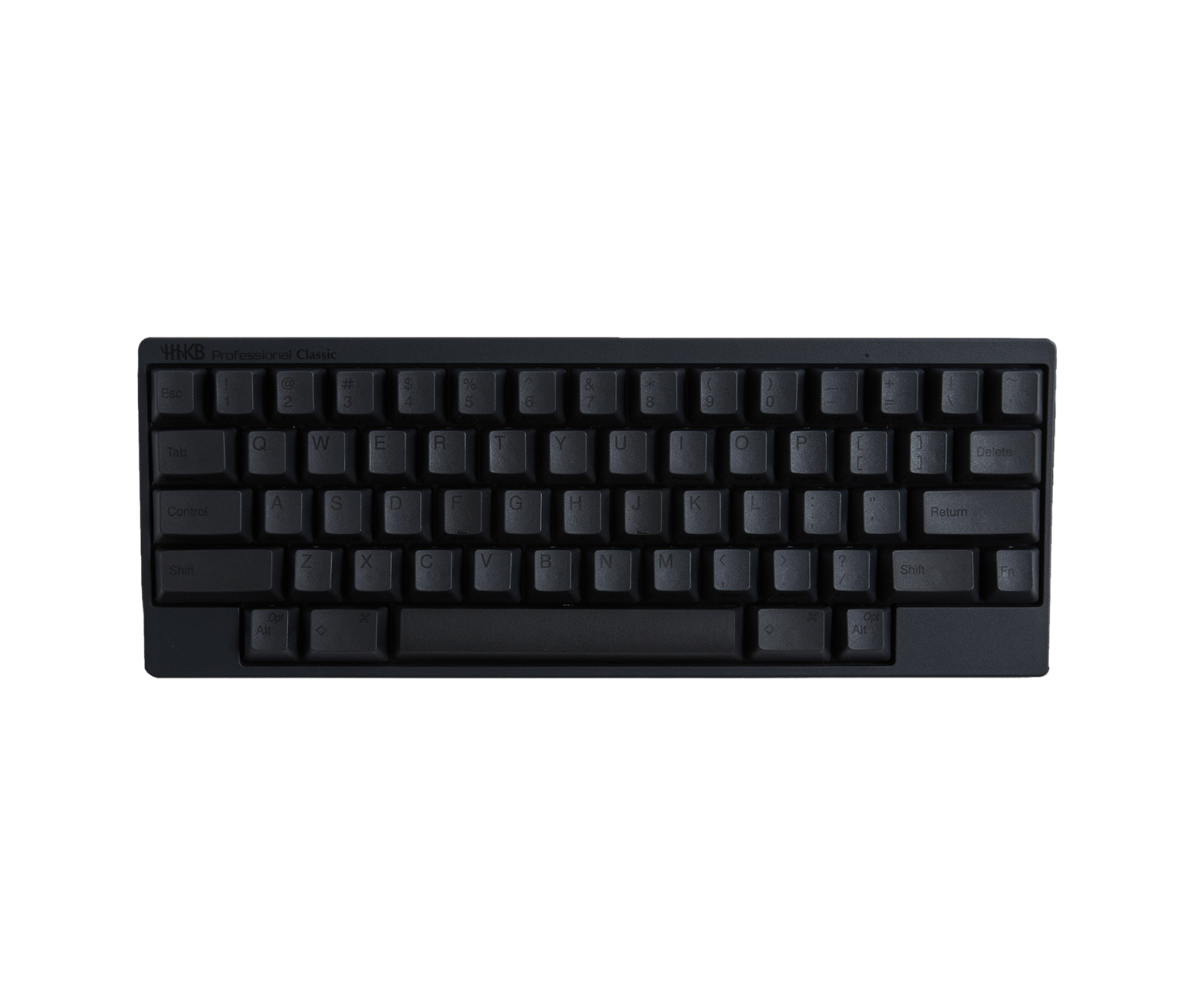
A 60% layout with Control where Caps Lock lives, which is the most consequential and least discussed key on any keyboard.
Caps Lock occupies prime territory under the strongest finger of the left hand and does something almost nobody wants. Control is a modifier reached for constantly and sits in a corner. Swapping them means every shortcut stops needing a wrist rotation, and the HHKB has shipped that way since 1996.
The rest of the layout takes the same argument further. Delete moves closer to home row, arrow keys live on a function layer, and the function row is gone entirely. The first week is genuinely disorienting; by the third the hand has stopped travelling.
That is what the Professional Classic does for focus. Not speed, but the removal of a device from conscious attention, and a keyboard you notice is a keyboard interrupting you.
2.Norma Unit Disc
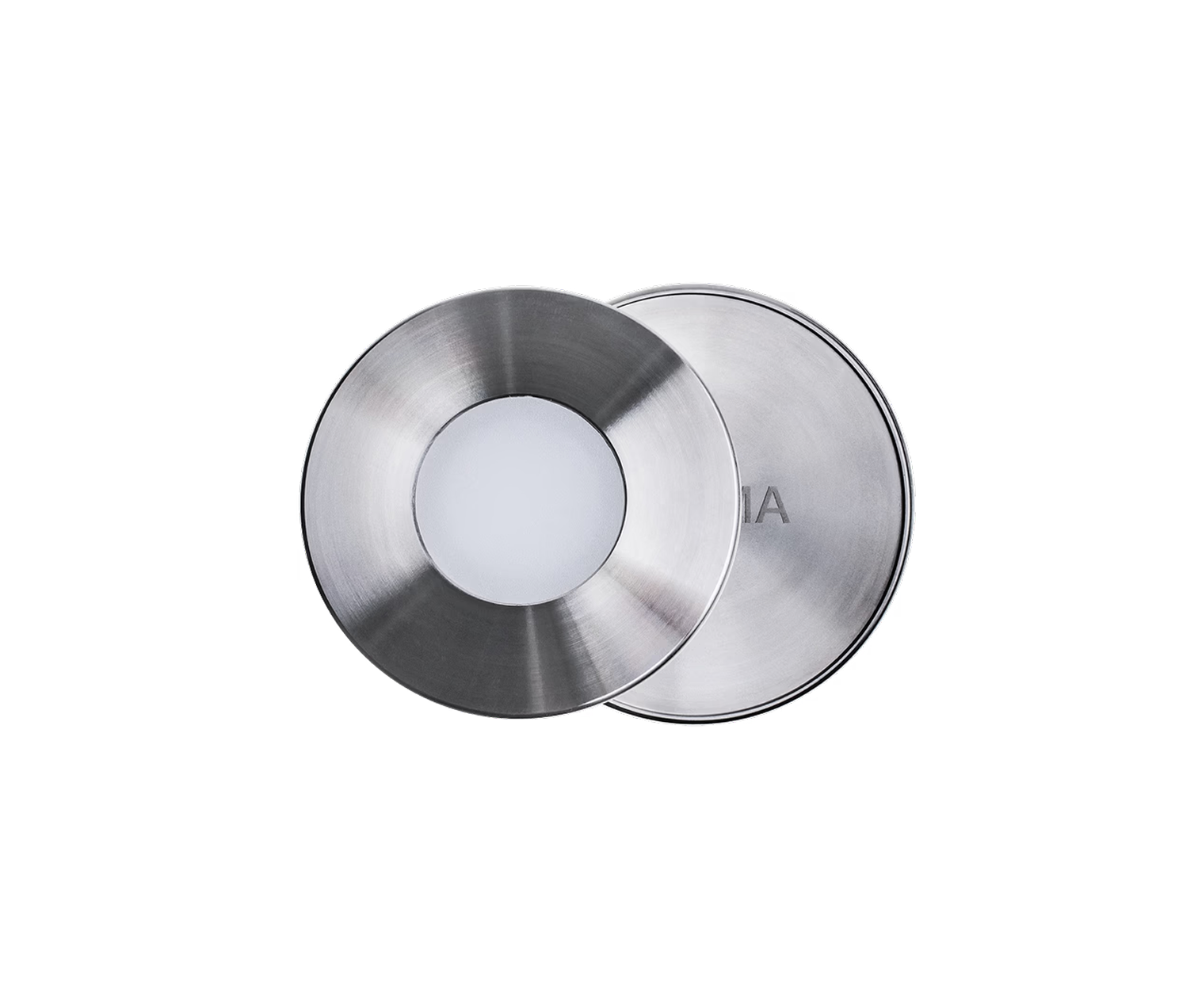
70 mm of stainless steel weighing 270 grams, and the weight is the mechanism.
Tap a phone against the Unit Disc and NFC triggers whatever blocking you have set up. What makes it work is not the technology, which a shortcut could do for nothing. It is that placing a phone face-down on a metal disc is a physical act with a threshold in it, and undoing it means picking the phone back up in front of yourself.
That asymmetry is the design. A software focus mode is two taps to enable and two taps to defeat. This is one deliberate gesture to enable and an obviously deliberate one to break, and deliberate is precisely what an impulse is not.
Norma sells a magnetic base that stands it upright, so it reads as an object on a desk instead of a coaster.
3.Logitech MX Master 4
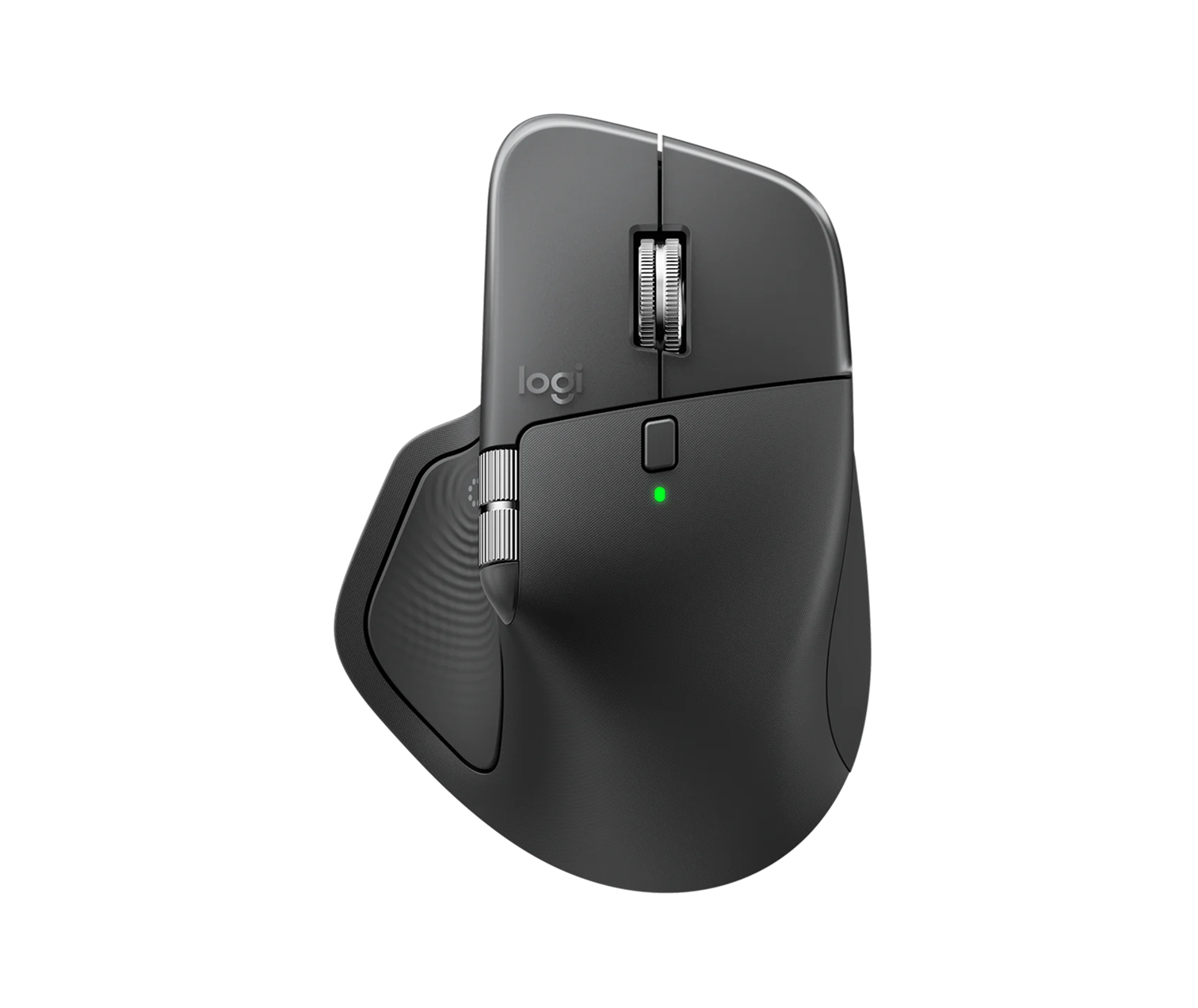
The scroll wheel switches between clicking mechanically and spinning freely, which are two genuinely different jobs.
Ratcheted scrolling steps line by line, which is what a spreadsheet or a precise document edit wants. Free-spinning coasts through hundreds of lines on one flick, which is what a long codebase or a long page wants. Nearly every other mouse picks one and makes the other tedious, and Logitech lets the MX Master 4 do both on a switch.
The contoured shell holds a hand in one position instead of asking it to find one, which is what prevents the forearm tension that builds across a long session.
The honest limitation is that it is right-handed only, and Logitech has shown no sign of changing that. There is no left-handed equivalent at this level.
4.Loop Quiet 2
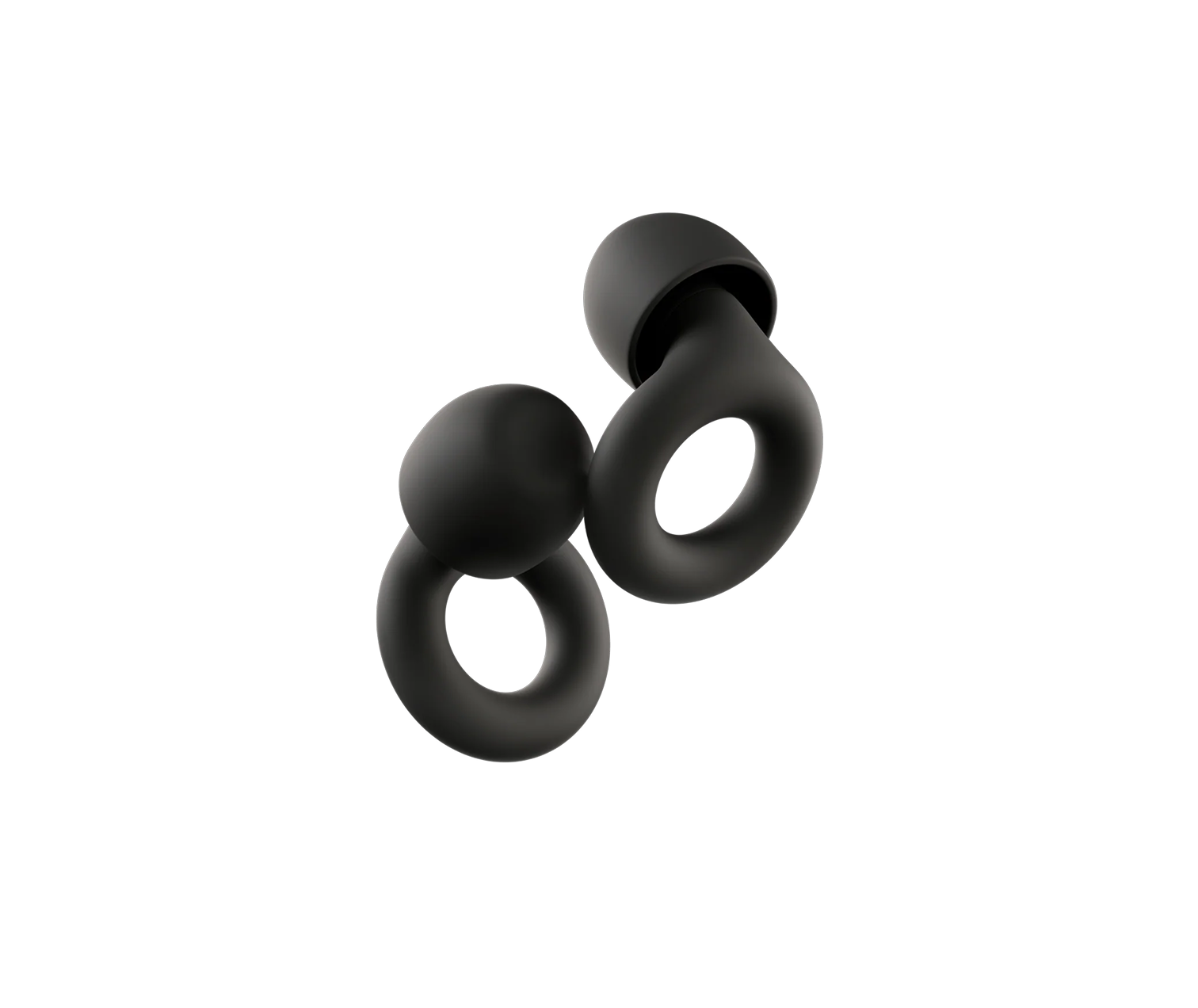
24 dB of reduction with no battery, no electronics and nothing sitting on your head.
Noise-cancelling headphones are the default answer and they carry costs nobody mentions. They run out. They warm the ears. After three hours the clamping pressure becomes its own distraction. The Quiet 2 removes all three by being passive.
What passive attenuation does differently is more useful than it sounds. Active cancellation is strongest on steady low-frequency drone and weak on speech; a physical seal lowers everything by roughly the same amount. So the room does not go silent, it goes quieter: somebody addressing you still registers, a fire alarm still registers, and the ambient floor drops below the level where it recruits attention.
Medical-grade soft silicone in several tip sizes, which matters because the seal is the entire product.
5.Anglepoise Type 75
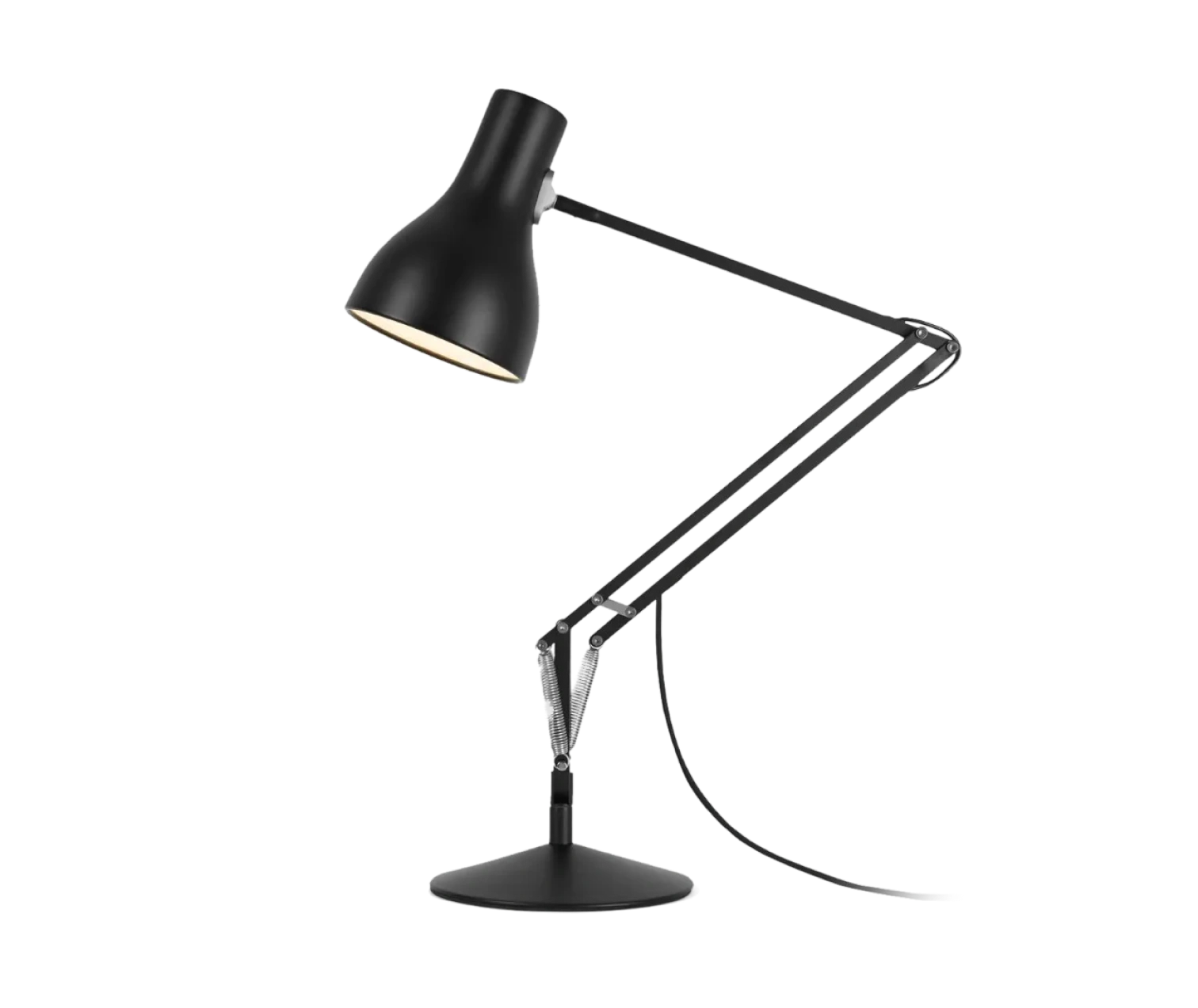
A constant-tension spring system, which means it holds any position you put it in and keeps holding it for years.
That is the original Anglepoise patent and it dates to 1932: springs calibrated to carry the arm's own weight at every angle, so the lamp neither drifts down nor needs tightening. Cheap articulated lamps sag within a year, and they sag because they use friction joints instead of balance.
Sir Kenneth Grange designed the Type 75, and it is the most restrained thing Anglepoise makes: jet black, no visible fasteners, nothing on it asking for a second glance.
Light belongs in this kit for the same reason the keyboard does. Overhead lighting puts glare on a screen and flattens a room into something institutional, and a task light aimed at the work instead of at you is what makes a desk feel like a place to sit down.
How to build the environment
Add friction to the interruption, not to the work
This is the principle under every object here. A distraction reachable in one tap will reach you; one requiring you to stand up will not. In the other direction, a tool that requires thought is a tool that interrupts. Look at anything on your desk and ask which way it moves friction, and most of what fails in a focus setup fails that test.
Passive beats active in a room, active beats passive on a train
Earplugs lower everything by roughly the same amount, so a room drops in volume without going silent and speech aimed at you still lands. Active cancellation is far stronger on steady drone, engines and air conditioning, and much weaker on voices. In an office, passive is usually the better tool, and it never runs out of battery.
The keys under your strongest fingers should do the most work
Caps Lock sits where the left little finger rests and does something nobody needs. Control is reached for hundreds of times a day and sits in a corner. Swapping them is free in every operating system, takes about a week to absorb, and is the highest-value change available to anyone who has not done it.
Light the work, not the room
Overhead light produces glare on screens and a flat institutional quality that signals nothing at all. A task lamp angled at the surface from above and slightly to the side lights the work and reaches neither your eyes nor the display. The mechanism matters over years: a spring-balanced arm holds position indefinitely and a friction joint slowly gives up.
Where to start
So: the earplugs first, because they cost the least and change the room most. Then the light. Then the keyboard and the mouse, which are slow-burn improvements you stop noticing, which is the point of them. The Unit Disc when the phone is the problem, and you will know.
None of this makes anybody more disciplined. It makes the room stop asking. The lighting half of the same argument is in premium task lights for focused work.
How we chose
We chose these five on which direction each one moves friction: toward the work, or toward the interruption. None of these makers publishes a specification page our fetcher can read for these models, so no pick carries a panel and there is no comparison table. The figures in the prose are each maker's own and are flagged internally as unverified.
Common questions
Because they are frictionless to defeat. The same thumb that enabled a focus mode disables it in two seconds, so there is no cost to breaking your own rule and the rule stops meaning anything within a week. Anything that reintroduces a physical step, like putting the phone face-down on a disc across the room, works better for exactly that reason and not because the technology is cleverer.
Earplugs in a room with people in it, headphones on a train. Passive attenuation lowers all frequencies by roughly the same amount, so speech aimed at you still lands and the room simply gets quieter. Active cancellation is far stronger on steady low-frequency drone like engines and air conditioning, and noticeably weaker on voices. Earplugs also weigh nothing and never run out.
It takes about three weeks and the payoff is that your hand stops travelling. The function row, the number pad and the arrow cluster all move to a layer reached without leaving home position, which is the same reason touch typists prefer them. The genuinely valuable part is smaller than the layout: Control under the left little finger instead of Caps Lock, and you can do that on any keyboard for free.
It balances the weight of the arm at every angle, so the lamp holds whatever position you set it to indefinitely. Cheaper articulated lamps use friction joints instead, which loosen over months until the head slowly drifts downward while you work. Anglepoise patented the spring approach in 1932 and it is the reason these lamps outlast the desks they sit on.
It removes an interruption rather than adding a capability. A mouse that needs conscious hand placement, or that scrolls badly in the document you live in, produces dozens of tiny corrections an hour. Each is trivial and together they are the texture of a distracted session. A dual-mode scroll wheel matters here because ratcheting and free-spinning suit genuinely different documents.
About the author

Justin Farrugia
Founder & Editor of Curated Supply
Justin Farrugia is the founder and editor of Curated Supply, a design-led directory to things worth owning. He has personally curated over 1,000 products across workspace, carry, coffee, audio, and the home, each judged against one standard: design intent, material quality, and the restraint that lets a thing last.