About
The visible air bubble changed sneaker design forever. Before 1987, cushioning technology stayed hidden beneath rubber and foam. Then Nike introduced something radical: letting you see the engineering.
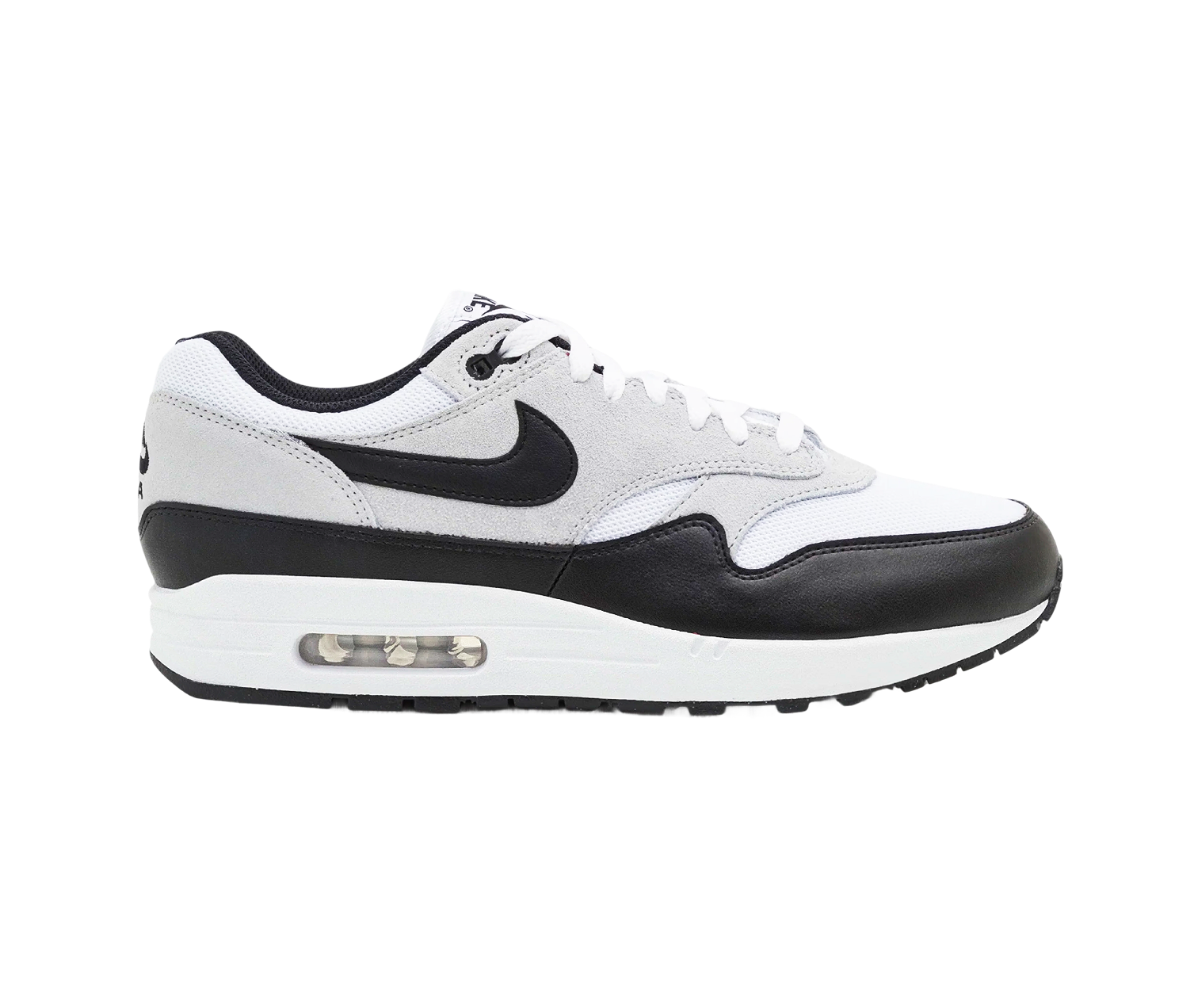
The Nike Air Max 1 was the first sneaker in the brand's history to expose its Air unit, a design choice that felt almost reckless at the time. Tinker Hatfield's original concept became the foundation for an entire lineage, and the shoe remains fundamentally unchanged because the concept was that considered. The upper combines a mesh base with suede overlays, a material pairing that balances breathability with structure without unnecessary bulk. The rubber Waffle outsole delivers traction and durability while maintaining that heritage visual language, the kind of detail that grounds the shoe in its own history.
What makes the Air Max 1 feel refined rather than dated is its restraint. The Max Air unit in the heel and Nike Air in the forefoot provide lightweight cushioning that doesn't overwhelm the silhouette. At 13.3 ounces in men's size 9, the shoe carries its technology lightly. The minimal insole and measured rubber thickness create a shoe that feels connected to the ground rather than floating above it, a distinction that matters whether you're wearing it for a casual commute or something closer to actual movement.
The Air Max 1 speaks to a particular kind of wearer: someone who appreciates that a shoe can be both historically significant and genuinely wearable, that visibility doesn't require loudness. It's remained in production across four decades not because of nostalgia, but because the original proportions and construction still work. That's the mark of thoughtful design.