·
·

Justin Farrugia
Most everyday carry items fall into one of two failure modes: too specialized to reach for daily, or too generic to justify carrying at all. The sweet spot is narrow. It's the object that solves a real problem without announcing itself, that disappears into a pocket and reappears exactly when needed. Getting there requires restraint in curation, not accumulation.
The best compact daily carry setups share a common logic. Every item earns its place through use, not aspiration. Weight matters. Thickness matters. The friction of adding or removing something from your pocket, multiplied across hundreds of interactions per year, matters more than most people realize.
If you've read our guide to minimal and functional everyday carry inspiration, you'll recognize that same philosophy at work here. This post narrows the focus further: five pocket-sized everyday carry items that hold up to daily scrutiny, not just shelf appeal.
Victorinox Cadet Alox – $58
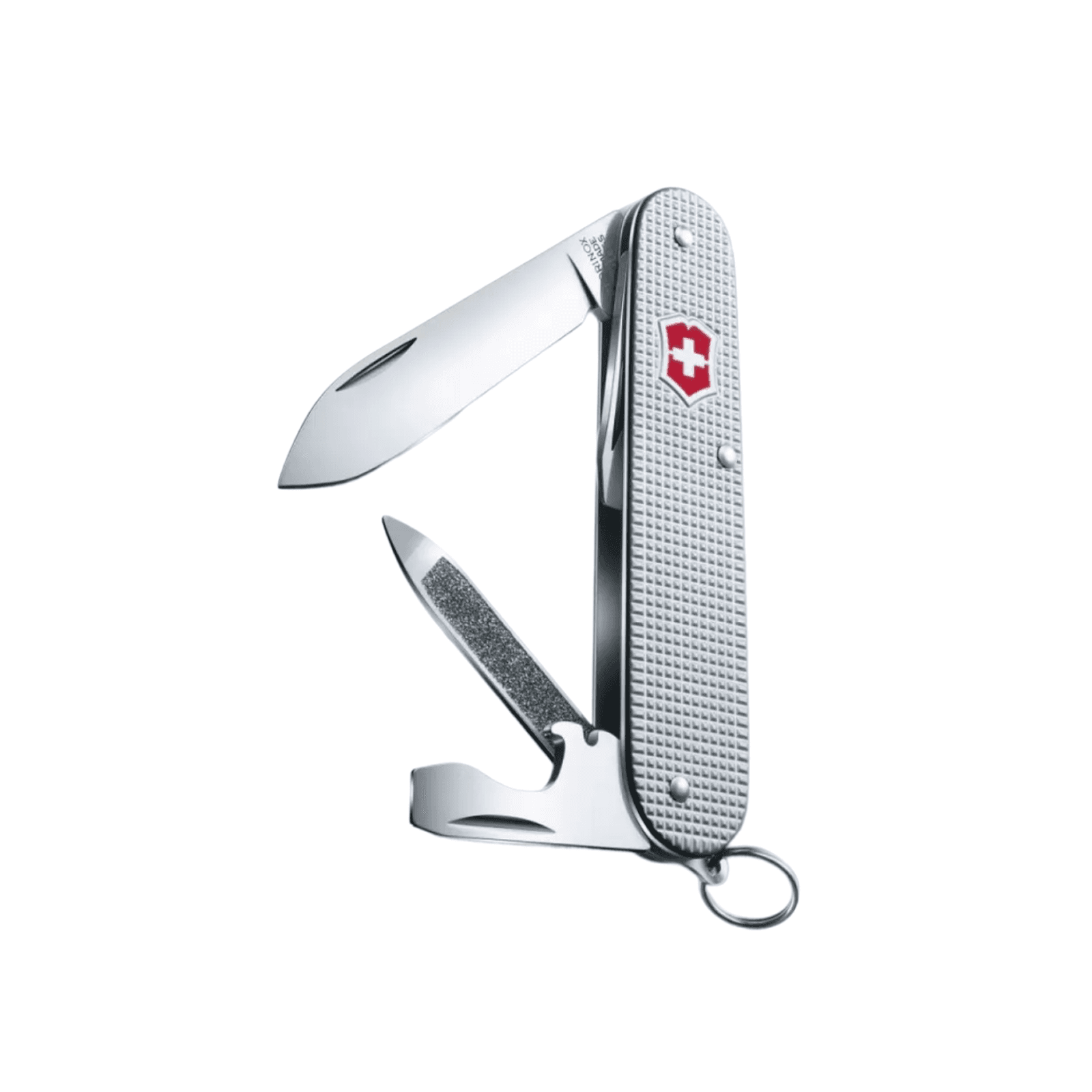
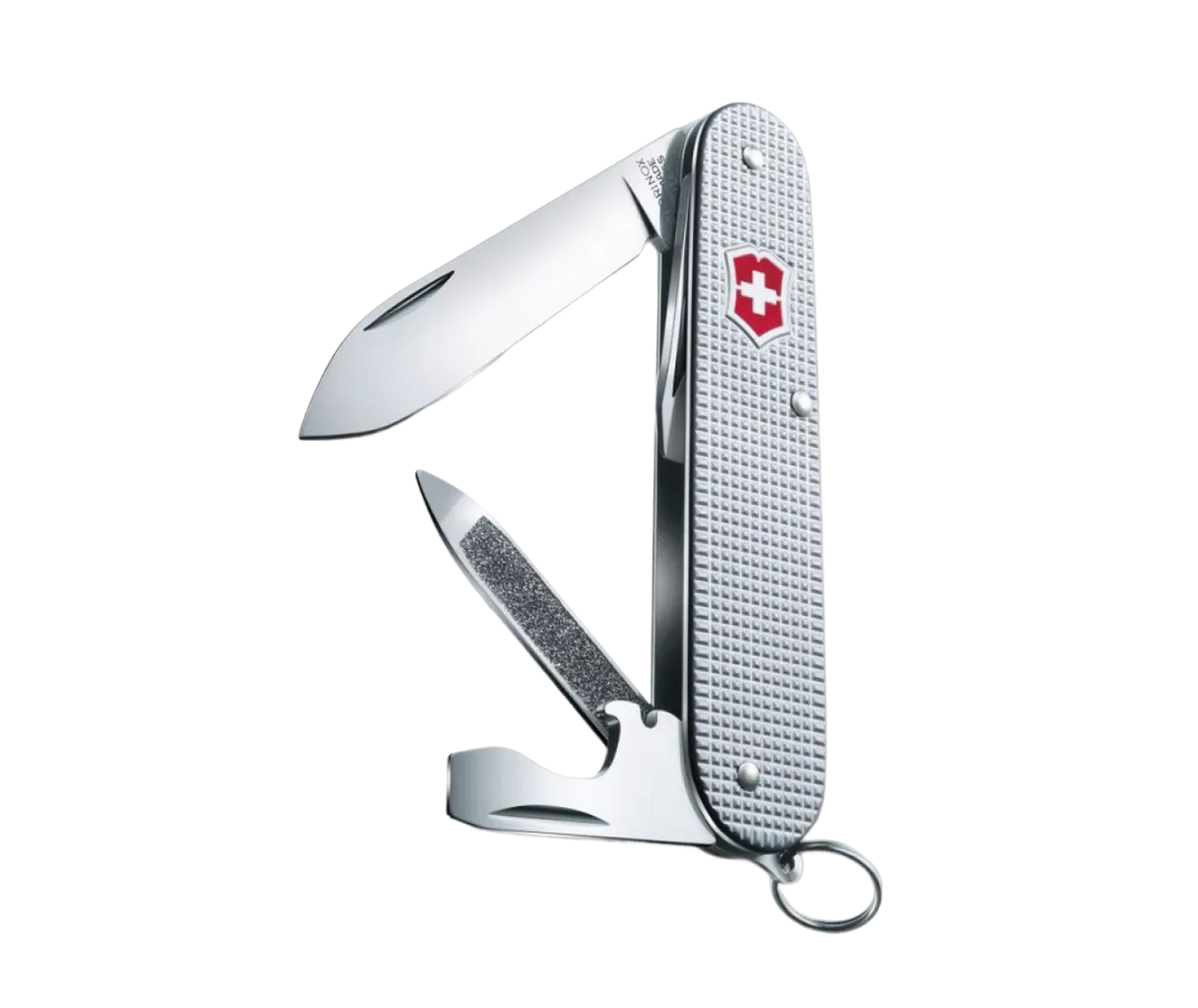
Victorinox has been making this knife since before minimalism was a lifestyle category. The Cadet Alox predates the entire conversation about intentional design, and it still holds up against anything introduced since. At 84 millimeters and just under two ounces, it carries like it isn't there. The Alox edition swaps the familiar red plastic scales for anodized aluminum, finely knurled for grip, brushed to catch light without demanding attention. The result is a pocket tool that reads as industrial without trying to look it.
Nine tools fold inside: large blade, bottle opener, can opener, two screwdrivers, nail file, key ring. Nothing exotic. Nothing that requires explanation. Each folds with a satisfying, precise click that communicates quality more clearly than any spec sheet. The cross-and-shield emblem is pressed into the aluminum rather than painted, a detail so small it would be easy to miss and so right that you notice its absence on cheaper alternatives. The tolerances throughout are exact. Nothing wobbles. Nothing catches.
In daily use, the Cadet Alox becomes one of those portable EDC tools that earns its place through repetition. It opens packages, tightens the occasional screw, trims a loose thread. Then it goes back in the pocket. The one honest tradeoff: if you need scissors daily, look at the Classic SD instead. The Cadet omits them. For everyone else, this is the Swiss Army knife to carry if you want to stop thinking about Swiss Army knives.
Bellroy Hide & Seek – $95
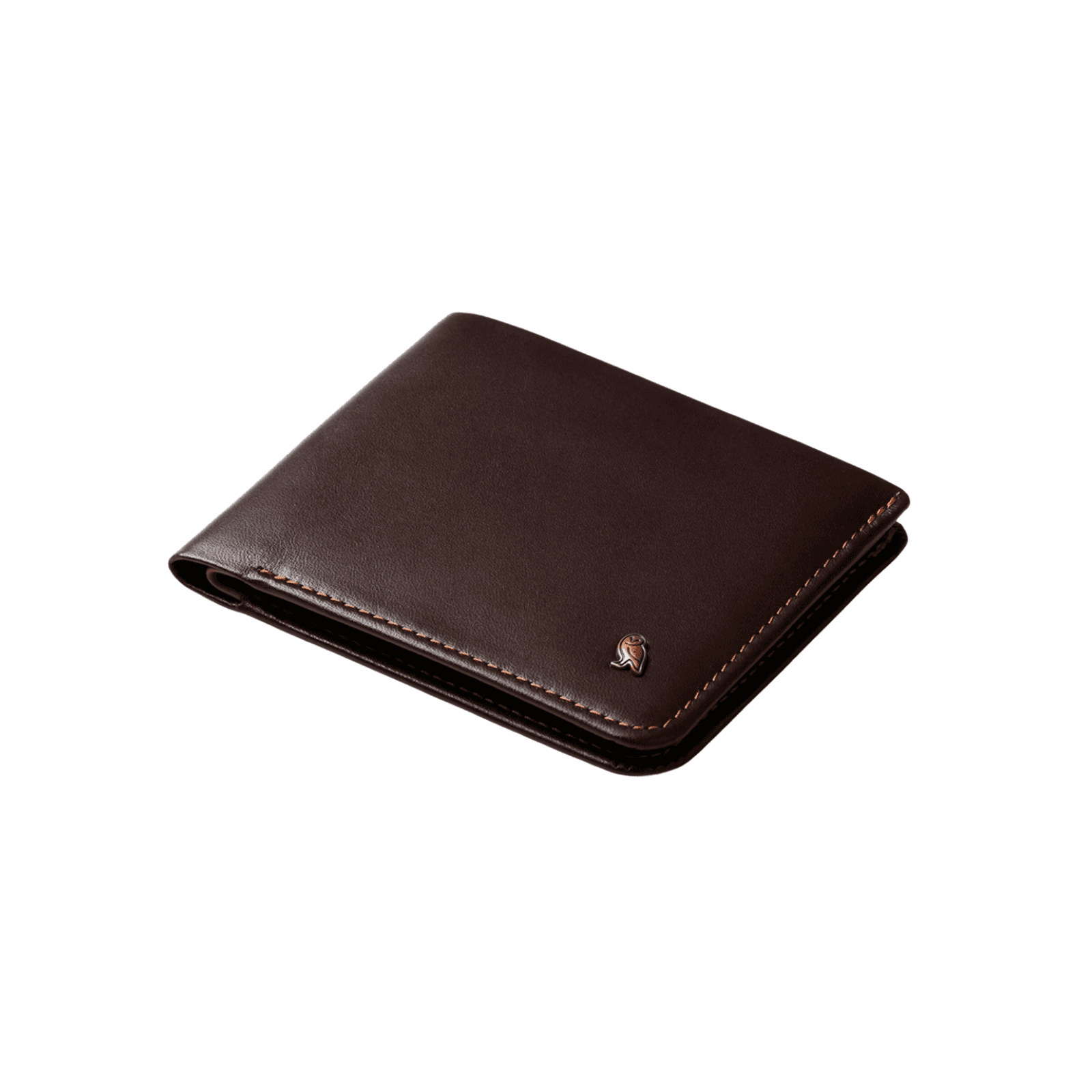
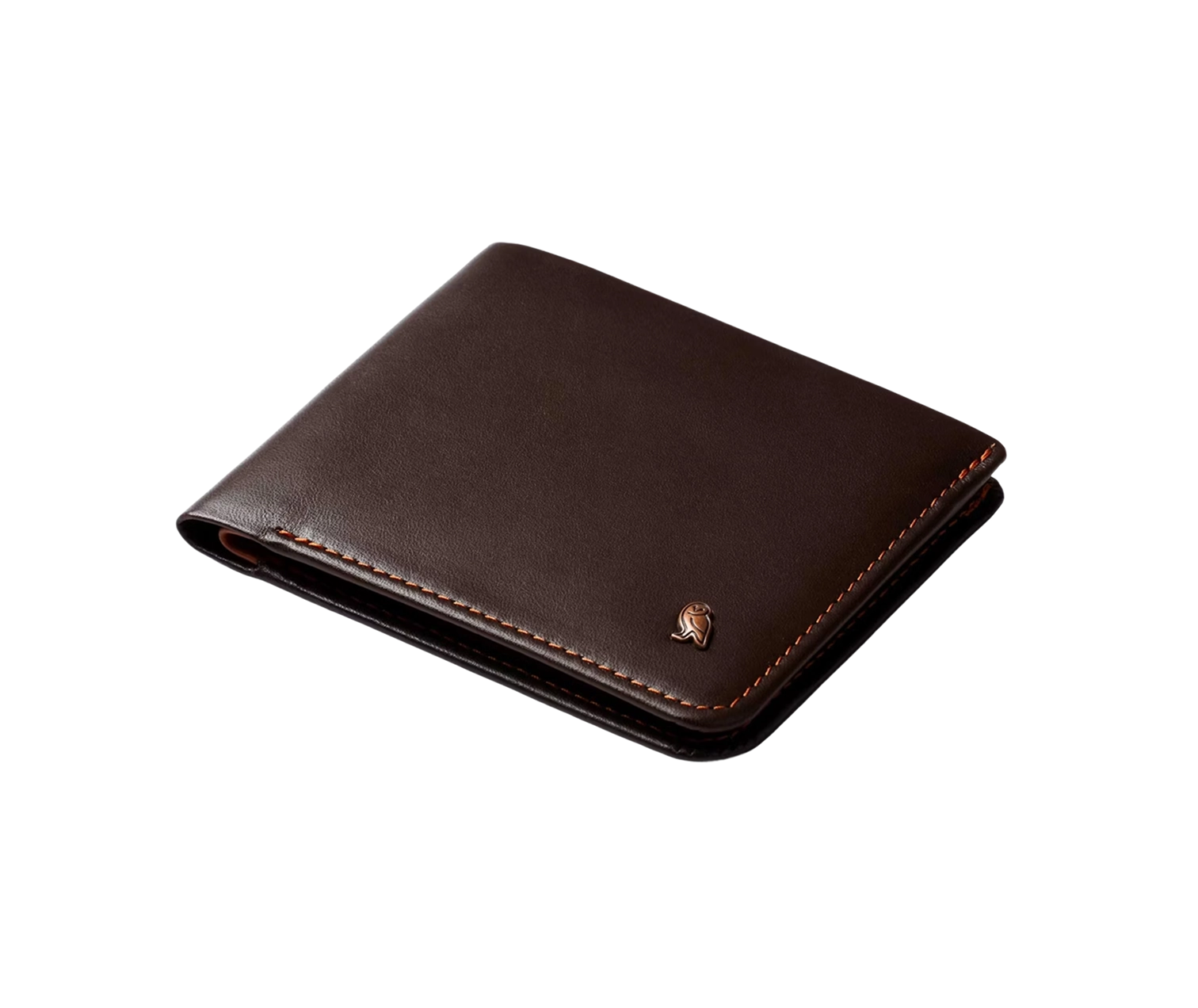
The wallet category is cluttered with objects that promise slimness and deliver compromise. Bellroy approaches it differently: the Hide & Seek is built around a behavioral insight rather than a material one. Most people carry two categories of cards, the ones reached for daily and the ones needed occasionally. Treating them identically is the design flaw most wallets never bother to address.
Quick-access card storage sits at the front, angled for a single-motion retrieval. A hidden flap at the back holds bills and backup cards, out of the way until needed. The environmentally certified leather is supple from day one, not stiff and requiring a break-in period. The silhouette stays slim even when carrying a reasonable load, which is the actual test, not the empty-wallet photography that dominates the category. At $95, it's the most expensive item on this list, and the construction justifies it. The stitching is tight, the leather ages well, and the organization logic holds up over years of use.
The Hide & Seek suits anyone who carries four to eight cards and occasionally needs cash. It won't work for someone who carries twelve cards and a transit pass and a gym membership. For that person, the wallet problem is organizational, not material. For everyone else, this is the slim leather wallet to buy and stop reconsidering. We've referenced Bellroy's design approach before in our roundup of quiet luxury backpacks for work, travel and everyday carry, and the same considered restraint shows up here.
Rolling Square Air Card – $20
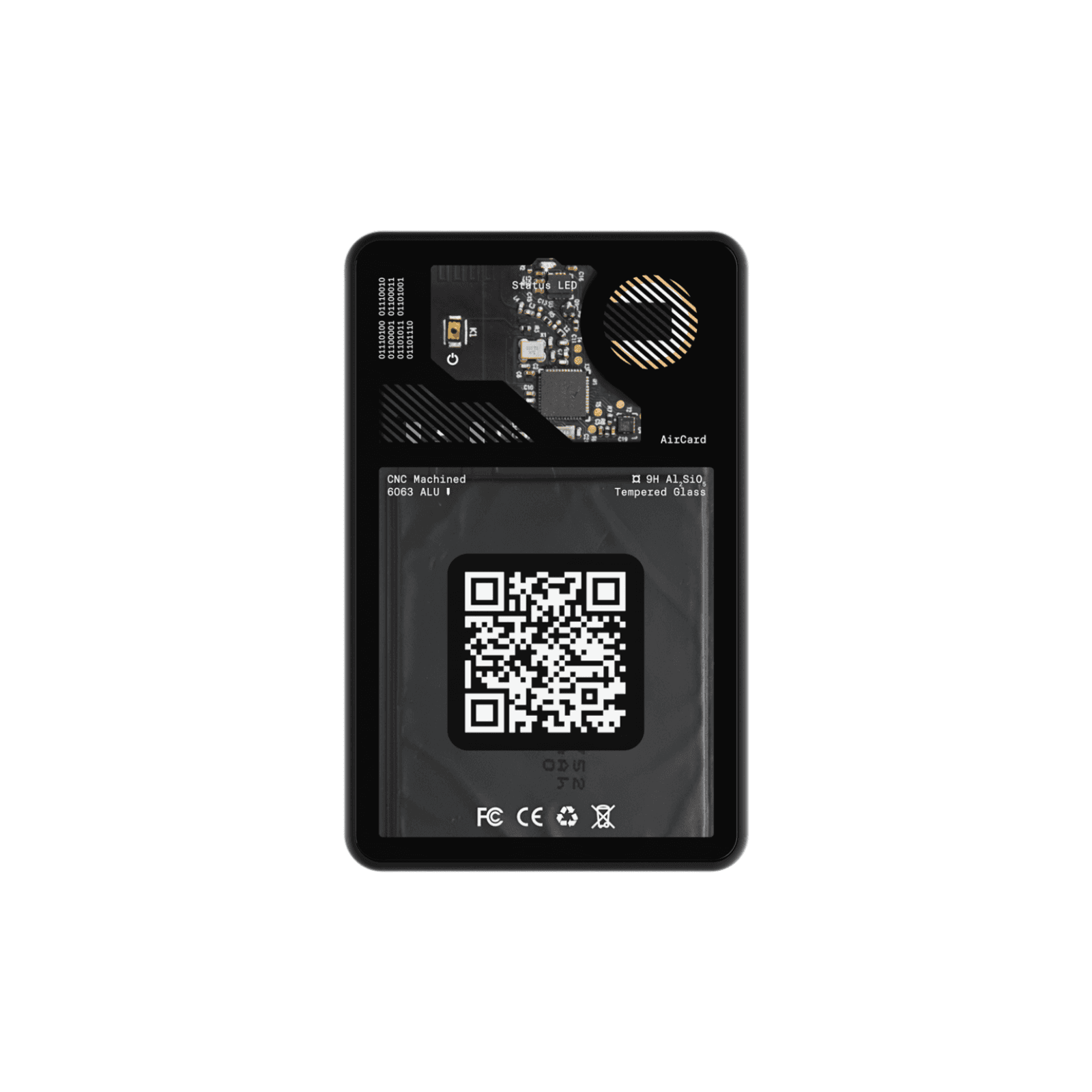
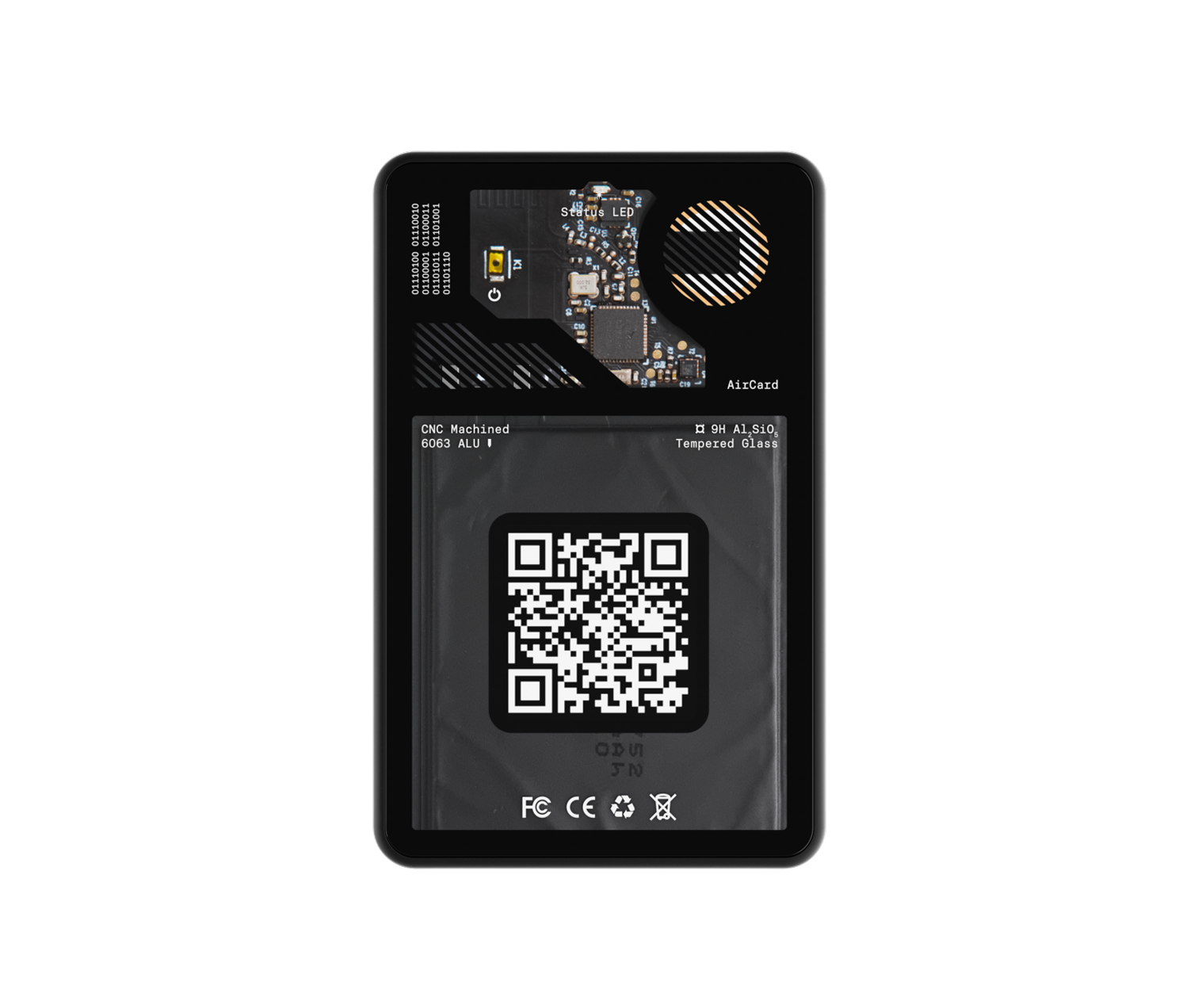
At 2.2 millimeters thick, the Rolling Square Air Card slides into a card slot and effectively disappears. It's a tracker built for iPhone users who want the utility of Apple's Find My network without the bulk of a separate device. The CNC aluminum frame and 9H glass give it a finish that reads premium rather than gadgety, which matters when it's sitting in the same slot as a credit card you actually care about.
The integration with Apple Find My is the functional core. Crowd network coverage means your wallet, passport holder, or bag can be located globally through the passive participation of millions of Apple devices. Left-behind alerts trigger when you move away from the card. A loud ring helps locate it when it's close. Shared access for up to five people handles the household use case. Battery life is rated at 2.5 years, which means setup once and genuinely forget it. The RFID blocking is a practical bonus when the card sits on the outer side of a wallet.
The tradeoff is platform lock-in. This is an iPhone-only solution. Android users need to look elsewhere, and the experience degrades meaningfully without the Find My ecosystem behind it. For committed iPhone users, though, the Air Card is the most elegant tracker solution available at any price. It costs less than a round of drinks and solves a problem that surfaces at the worst possible moments. Frequent travelers will find it particularly useful alongside the best travel accessories for frequent flyers we've covered elsewhere.
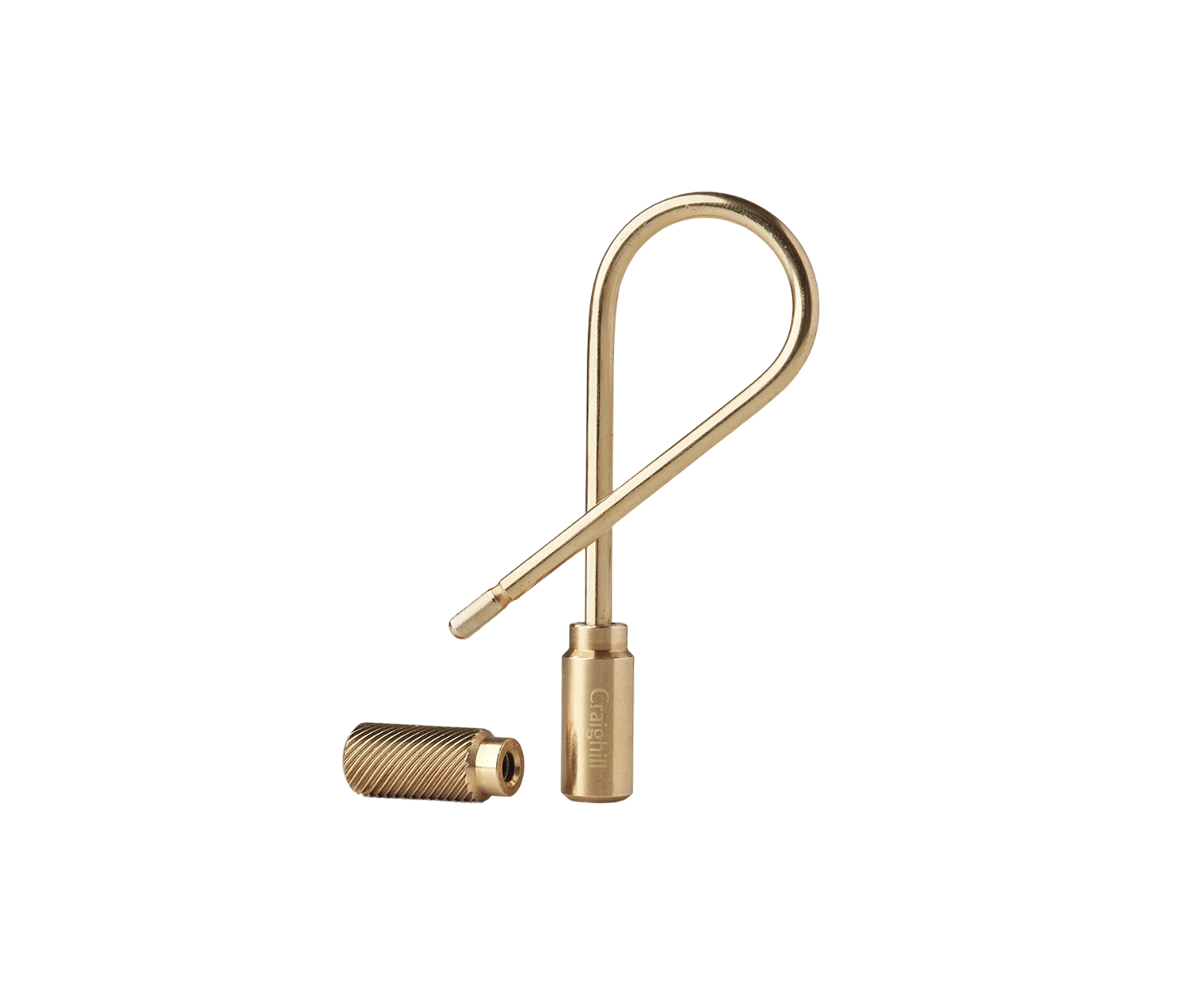
Craighill Closed Helix Keyring – $30
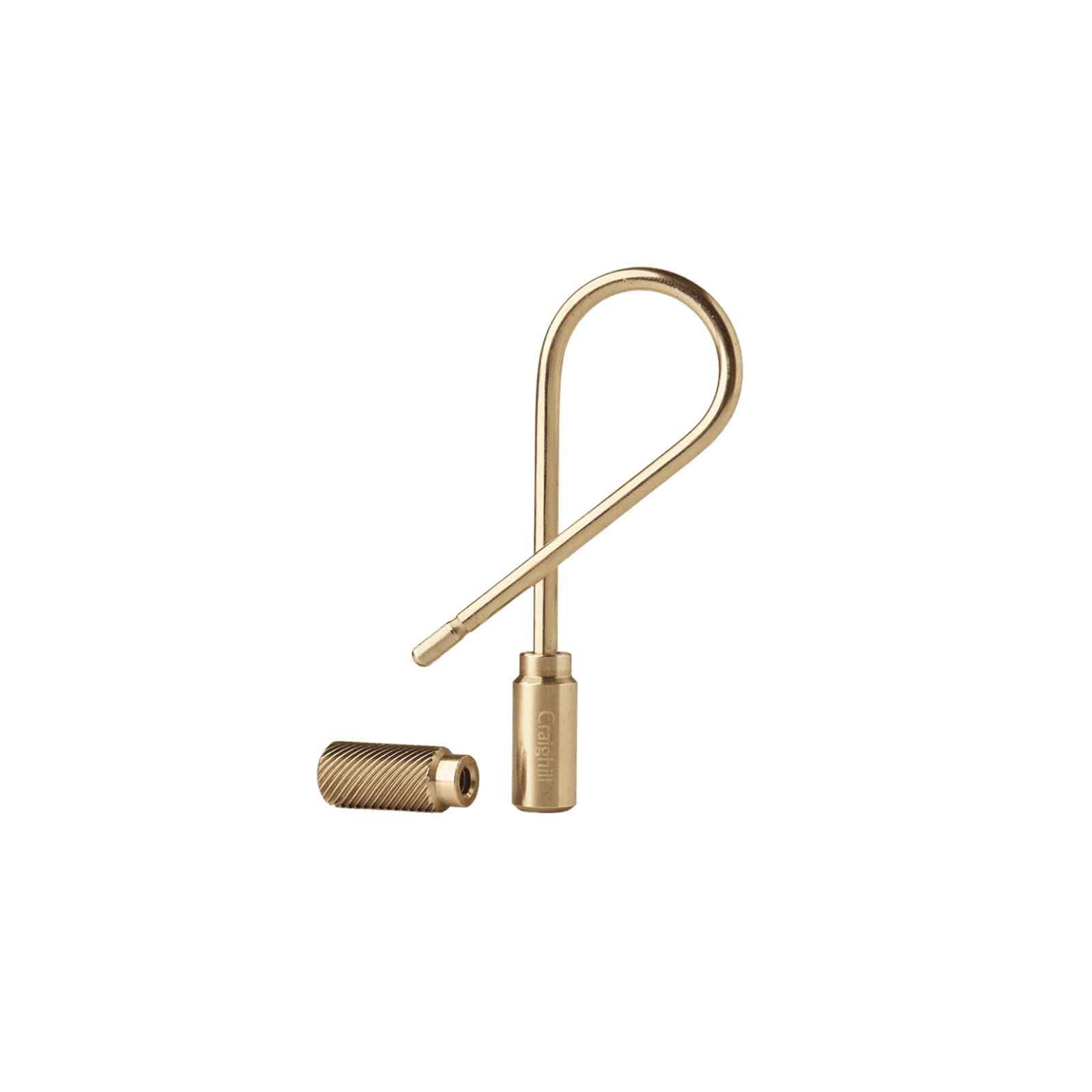
A keyring is the most overlooked object in any everyday carry setup. It sits in the pocket every day, accumulates wear, and gets replaced with whatever's cheapest when it finally fails. Most people have never considered that a keyring could be worth noticing. Craighill makes the case that it can.
The Closed Helix wraps a single length of 1/8-inch wire into a helix, capped at each end with turned brass or stainless steel hardware that feels substantial without adding meaningful weight. The geometry is architectural without being decorative, and the material choice shapes the long-term experience: brass develops patina and softens with handling, stainless steel holds its neutral finish, and the Vapor Black PVD option reads quieter than either. The considered detail is the pull-off knurled mechanism. Instead of a split ring that catches skin and requires two-handed manipulation, the end-cap threads off with a textured grip. Adding a key becomes a gesture rather than a struggle.
The Closed Helix usually costs around $30. Most keyrings cost less than a dollar. The difference isn't luxury, it's the decision to apply craft to an object that typically receives none. For someone building a considered set of compact everyday carry essentials, this is the piece that signals the overall intention of the collection without announcing it.
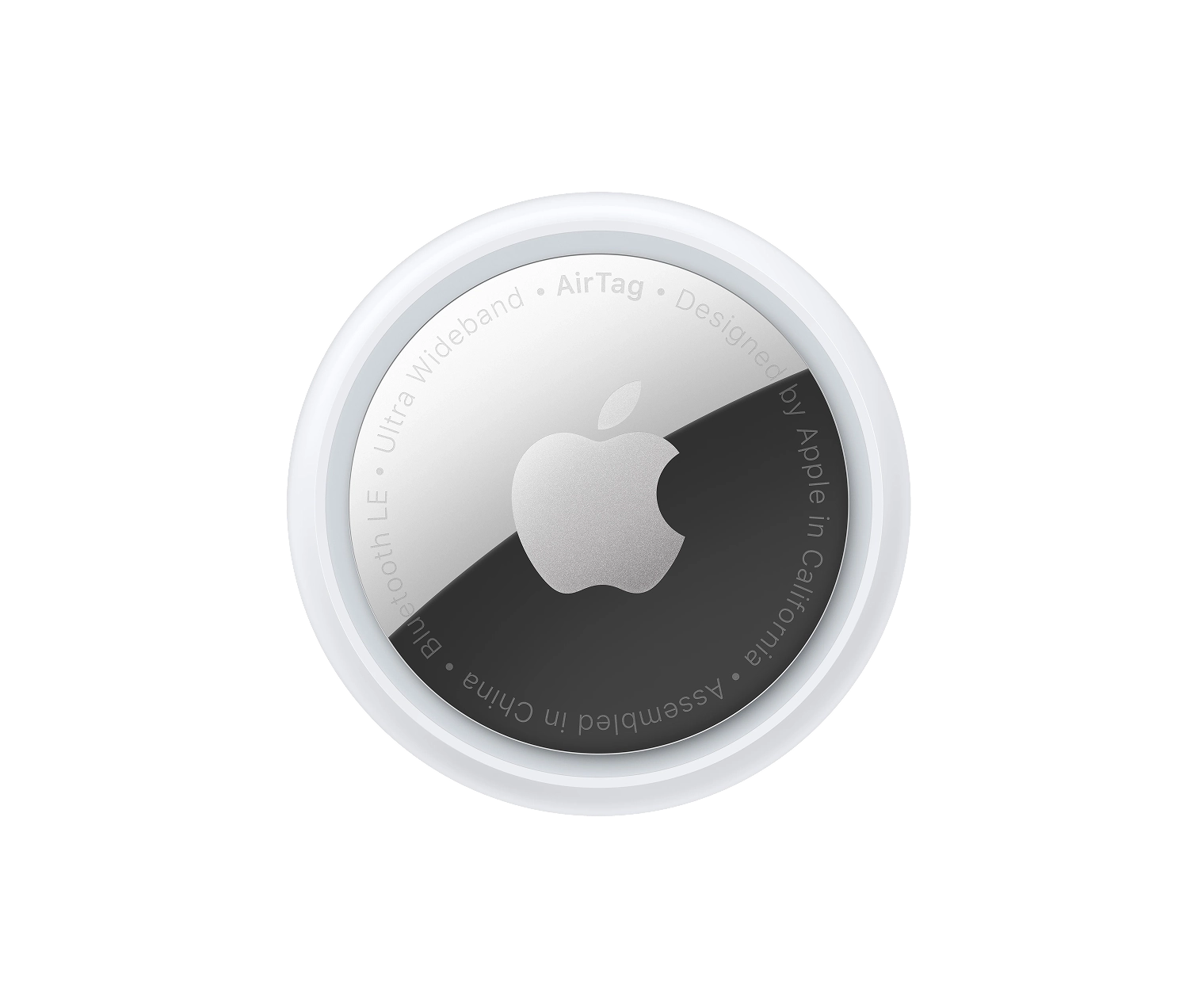
Apple AirTag – $25
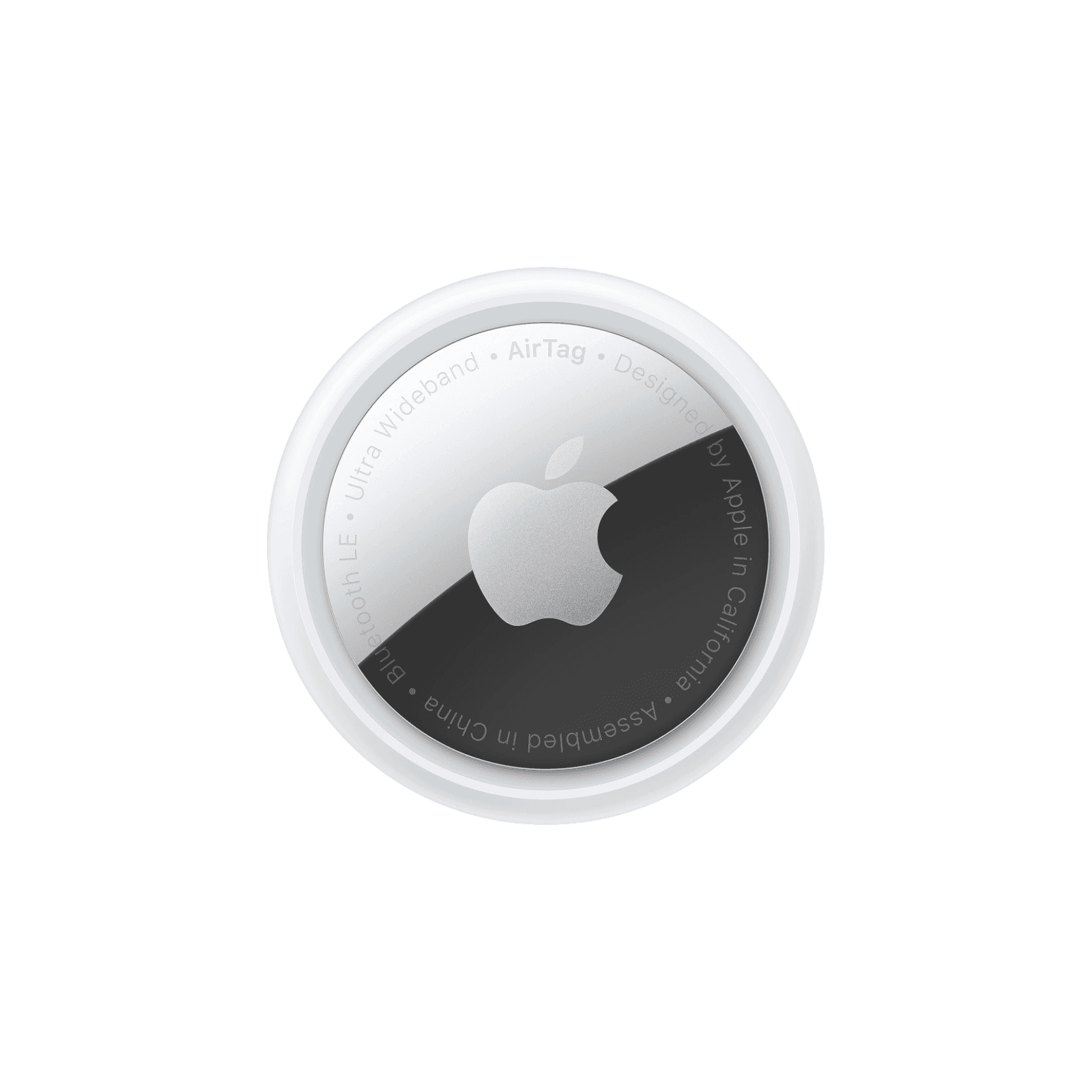
Apple designed the AirTag as if the object itself deserved the same attention as the network behind it. Polished stainless steel on one side, matte white composite on the other. No buttons. No screen. No pairing ritual beyond holding it near an iPhone. The enclosure is smooth, nearly weightless, and compact enough to attach to keys, slip into a bag, or tuck into luggage without registering as a presence. It's one of the few tech products that genuinely disappears into daily life.
The Find My integration is the reason to own one, and it's the best tracker network available to consumers. Ultra-wideband Precision Finding guides you to a nearby item with directional arrows, haptics, and audio cues. For items farther away, the global Find My network, built from hundreds of millions of Apple devices operating anonymously, triangulates the last known location. There is no charging, no app to manage, no subscription. It works, and then continues to work.
For lightweight everyday carry setups that include a bag or wallet, one AirTag per item is the most practical insurance available. Paired with the Rolling Square Air Card in a wallet and a separate tag on a bag, the combination covers the objects most likely to be left behind. Travelers will want to read our guide on premium carry-on luggages for frequent flyers for more on building a complete travel kit around this kind of thinking.
Pocket EDC Done Right
These five everyday carry items share a quality that's difficult to specify in a product listing: they reward daily use rather than tolerating it. The Cadet Alox improves with handling. The Hide & Seek develops patina. The Helix Keyring builds character with every key added. The Air Card and AirTag simply work, invisibly, until the moment they're needed.
Building a considered everyday carry setup isn't about collecting gear. It's about reducing the number of decisions and frictions in a given day by choosing objects that handle their jobs without requiring attention. The five items here fit that definition. Start with one. Add another when the need is real. The pocket has limited space, and that constraint is the point.
Products mentioned
About the author
Justin Farrugia
Founder & Editor of Curated Supply
Justin Farrugia is the founder and editor of Curated Supply, a design-led directory to things worth owning. He has personally curated over 1,000 products across workspace, carry, coffee, audio, and the home, each judged against one standard: design intent, material quality, and the restraint that lets a thing last.