Luxury coffee table books for the brand obsessive
Five coffee table books for the brand obsessive, covering Air Jordan, Gucci, Tom Ford, Rolex, and YSL as genuine design history, not marketing.
Updated
The problem with brand books is that most of them are brochures with a spine. A publisher licenses the archive, the house approves the images, and the result says nothing a press release would not.
The five here are the exceptions, and the test that separates them is whether the book has a structure the brand did not choose. A chronological march through collections is what a marketing department produces. An argument about silhouette, or construction, or what a house actually got right, is what an editor produces. The broader shelf is in coffee table books every home should have.
1.Assouline Air Jordan
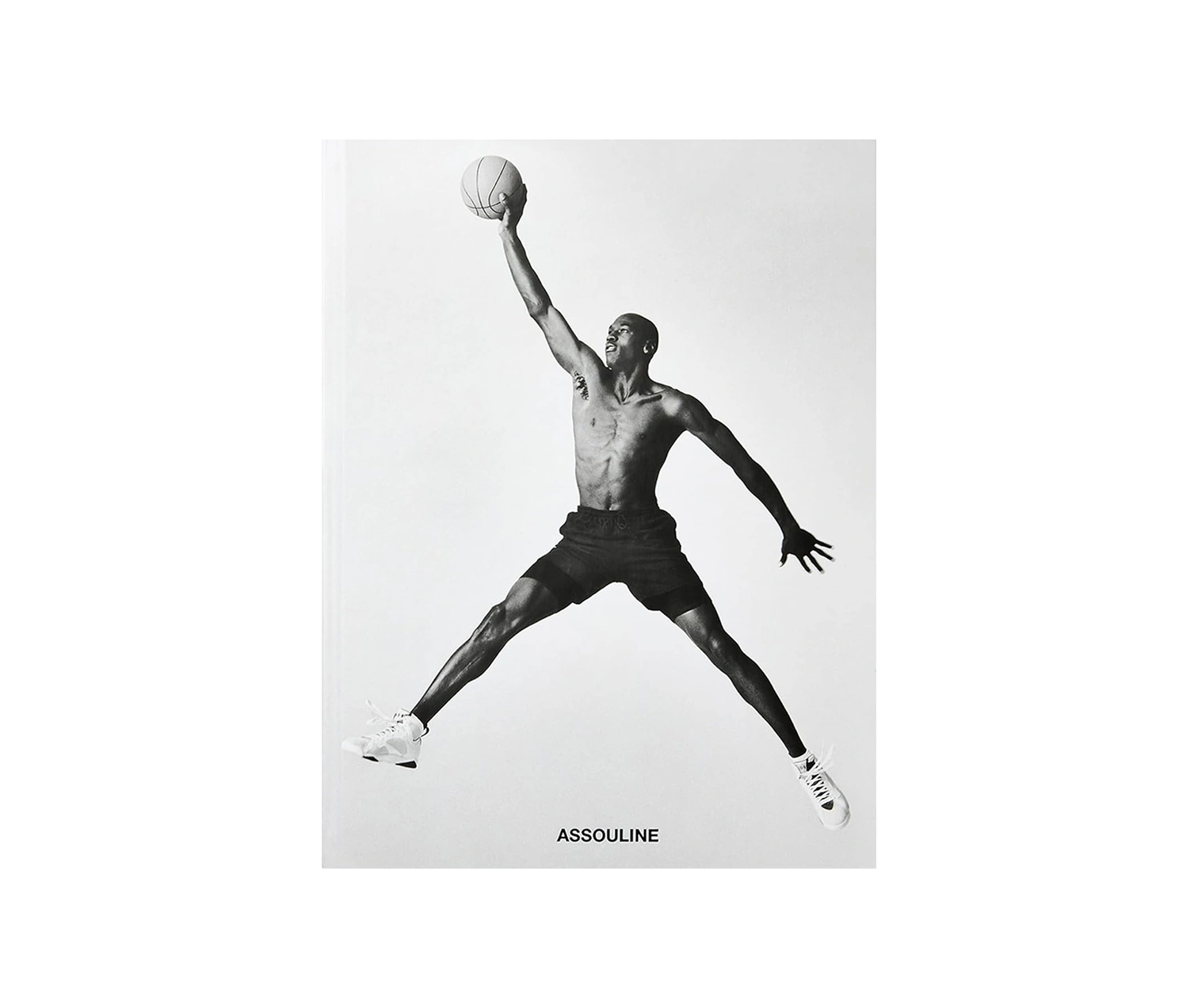
430-plus images arranged around cultural lineage instead of release order, which is the decision that makes it a design book.
Organise a sneaker retrospective chronologically and it becomes a list of products and statistics. Assouline organises the Air Jordan volume around influence: what a silhouette borrowed, what it changed, where it turned up afterwards. That is a much harder book to assemble and a far more re-readable one.
Assouline's whole publishing position is that luxury and street brands deserve the treatment art publishers give painters, and this is where that argument works best, because the subject genuinely has half a century of design history behind it.
The honest caveat is price. For a casual interest this is a gift; for anybody who treats sneaker design as a discipline it is the reference.
2.Rizzoli Gucci: The Making Of
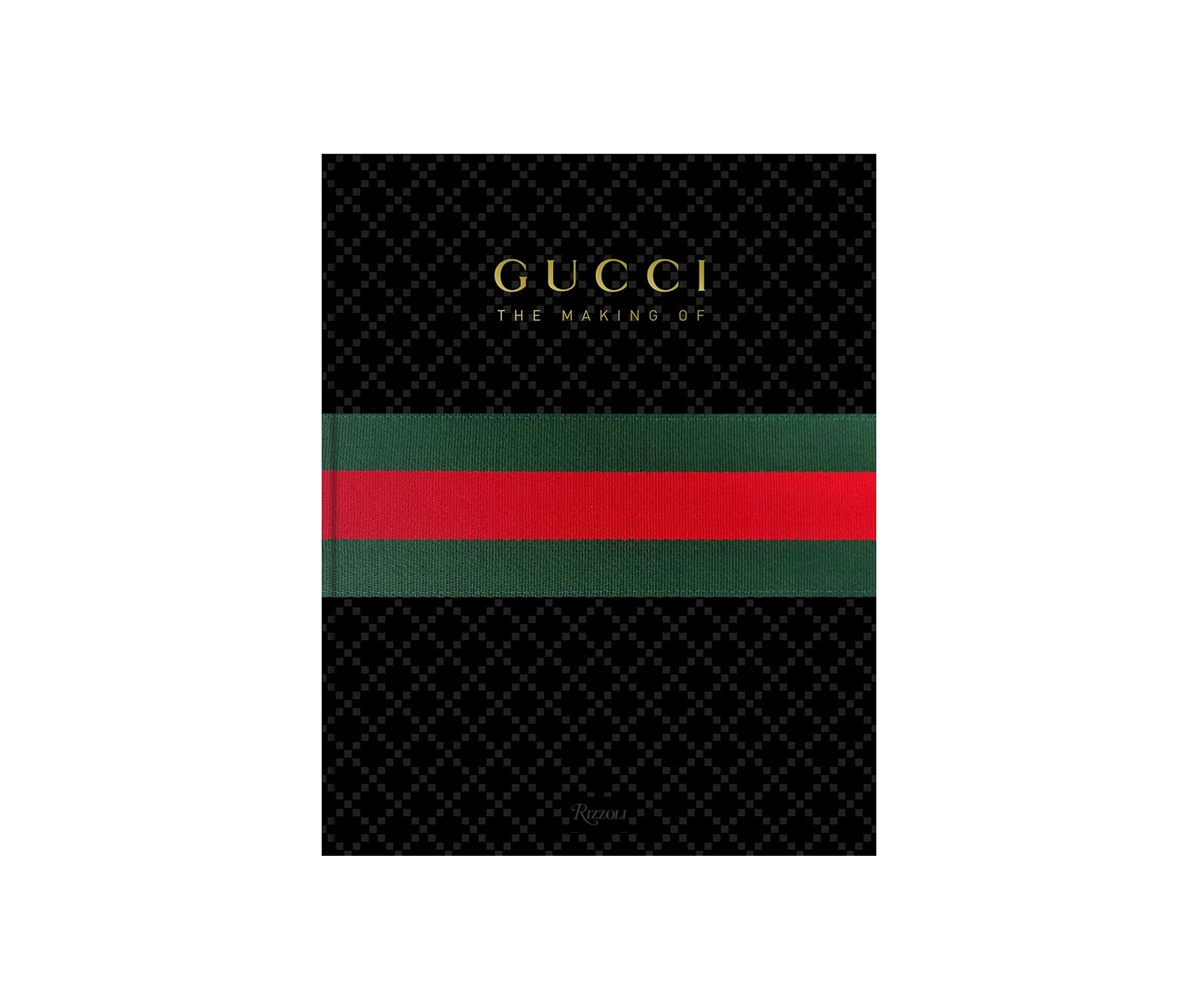
Organised by house codes instead of by year, so the book is about continuity and not seasons.
That structure is the whole value. A fashion house's identity lives in a handful of recurring elements, the hardware, the stripe, a particular last, and following one of those across sixty years shows the design thinking that a collection-by-collection account buries.
Rizzoli publishes for a reader who already cares, which means The Making Of skips the introductory explaining and gets to the material.
Clean margins, full-bleed spreads only where the image earns one, and a physical size that fits on a normal table. It is the cheapest thing here and the most useful.
3.Rizzoli Tom Ford 001
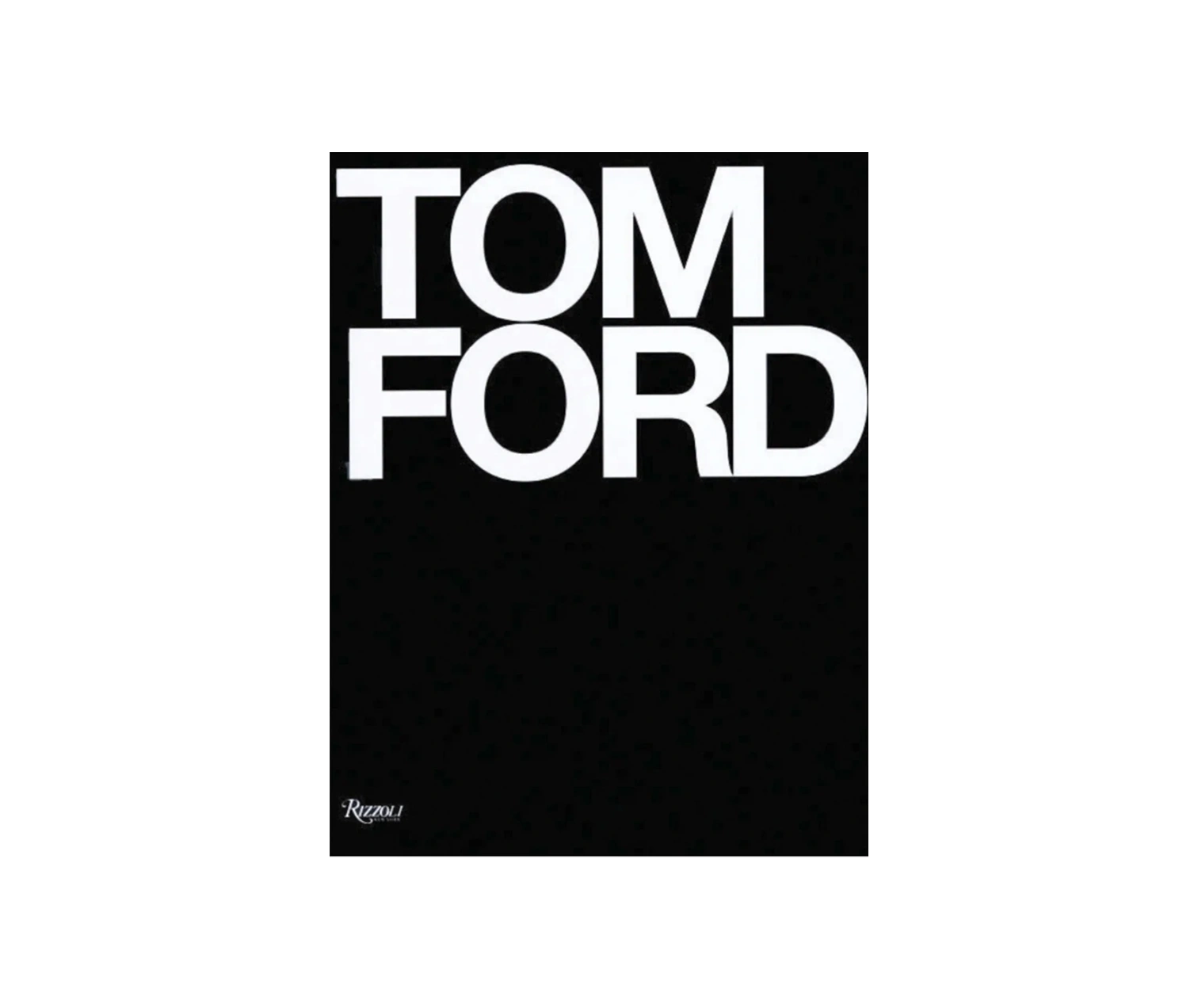
The book looks like the work, which is either the point or a limitation depending on what you wanted.
Tom Ford 001 covers a decade at Gucci and Yves Saint Laurent in full-bleed imagery, and the object carries the same scale and finish: heavy, glossy, deliberate. It reproduces the experience instead of analysing it.
That makes it the anchor in any stack. By weight and by scale it is the volume other books get arranged around, and it never moves between surfaces.
If you want the argument about that decade rather than the atmosphere of it, the YSL Catwalk book below does more.
4.TeNeues The Watch Book Rolex
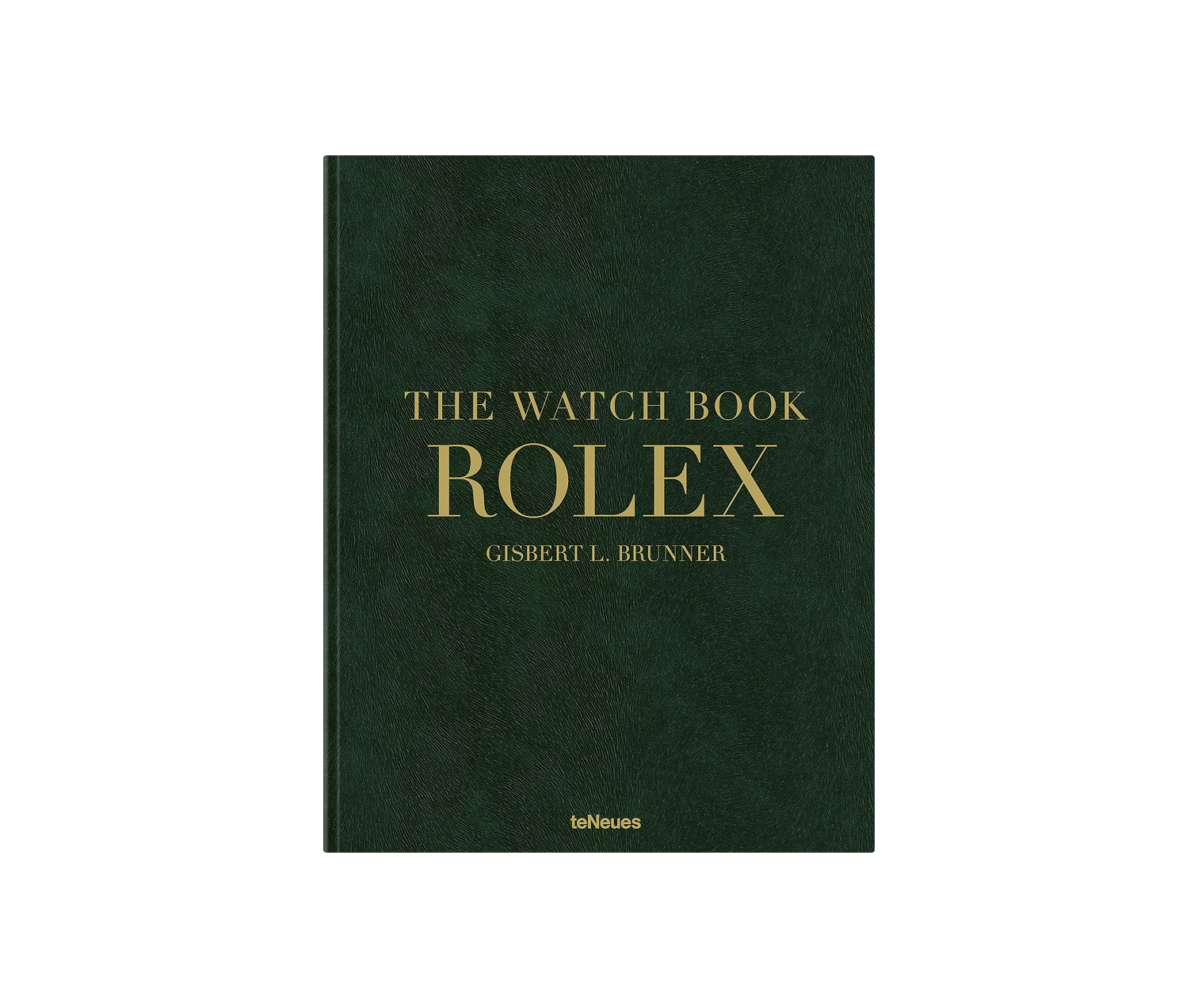
It is about what Rolex got right, never about what anything is worth, which puts it ahead of most watch publishing.
The category is full of books that mistake technical documentation for a subject, and full of others that are effectively auction catalogues. TeNeues takes the third position on The Watch Book Rolex: a century of decisions about case construction, dial typography and bracelet design, treated as design history.
The photography rewards the format. Close detail on a bezel or a set of indices needs the page size, and at this scale you can read the finishing.
A more durable subject than value, and a book that will still be right in twenty years when the prices are not.
5.Thames & Hudson Yves Saint Laurent Catwalk
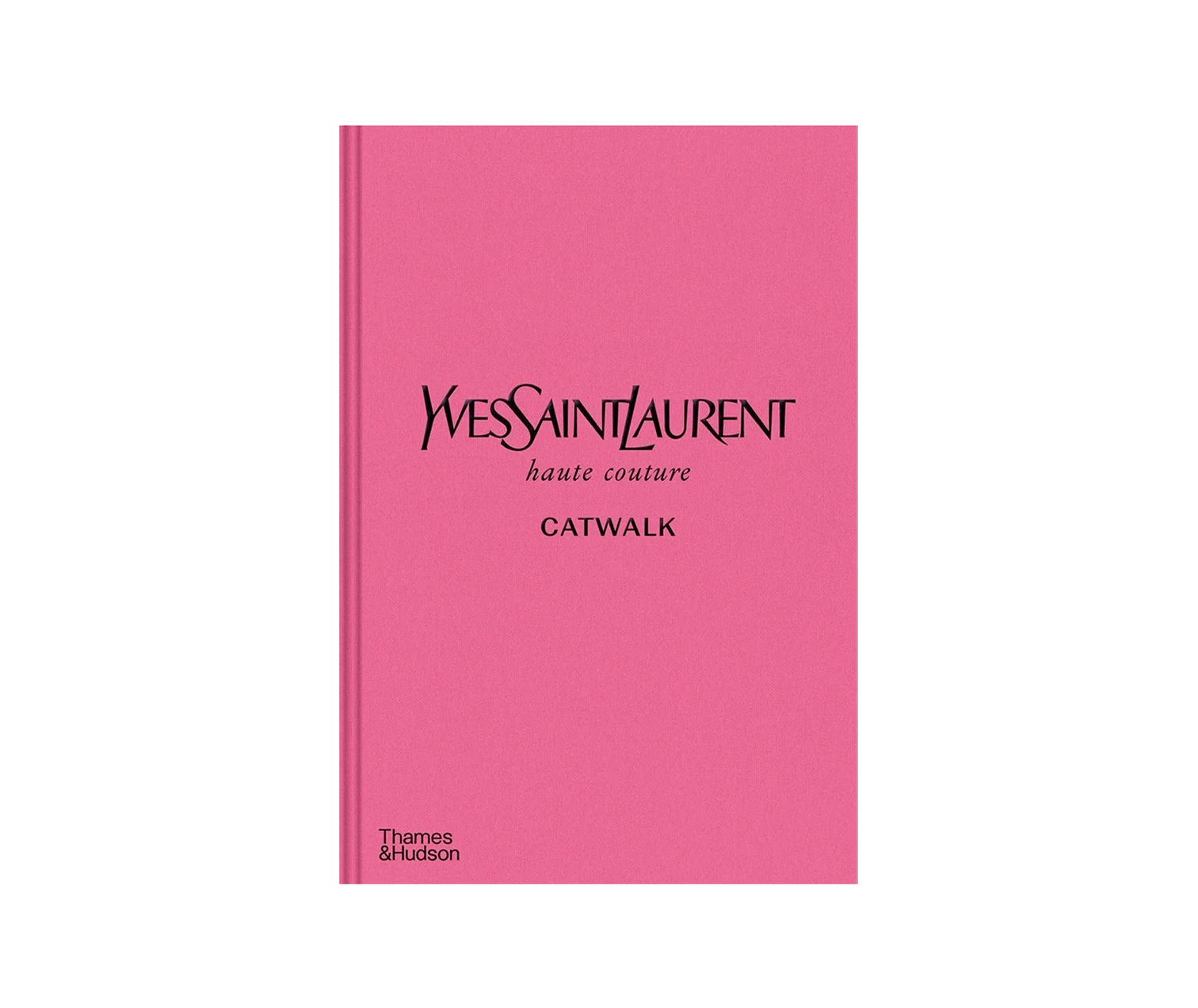
Every collection, in order, complete, which turns it into a primary source instead of a selection.
The Catwalk series exists to publish the full run of a house's shows without curatorial editing, so you get the raw sequence: every look from every collection, in the order it walked. Thames & Hudson does this because the argument only becomes visible at that resolution.
Watching a silhouette shift across thirty years of consecutive shows is a different experience from seeing the twelve most famous looks. Saint Laurent's changes to proportion, and to who a garment was for, read clearly in the sequence and vanish in a highlights reel.
Yves Saint Laurent Catwalk is the volume here that signals sustained interest and not a purchase.
Arranging them, and what they say
Scale decides the stack. The Tom Ford volume anchors any grouping because it is the heaviest and largest, and everything else arranges around it. The Rolex book brings a different material register, and the Gucci is the one that can move to a desk.
The rule for buying in this category is to check the structure before the subject. If the contents page is a list of years, it is a catalogue. If it is a list of ideas, somebody edited it.
The design-history version of the same shelf is in design books every creative needs.
How we chose
We chose these five on whether the book has a structure the brand did not choose, because a chronological march through collections is what a marketing department produces and an argument is what an editor produces. Publishers do not issue specification sheets, so no pick carries a panel and there is no comparison table.
About the author

Justin Farrugia
Founder & Editor of Curated Supply
Justin Farrugia is the founder and editor of Curated Supply, a design-led directory to things worth owning. He has personally curated over 1,000 products across workspace, carry, coffee, audio, and the home, each judged against one standard: design intent, material quality, and the restraint that lets a thing last.