About
Seven ports is the number most hubs of this size quote, and Anker has quoted it before. What changed is what comes out of the HDMI socket.
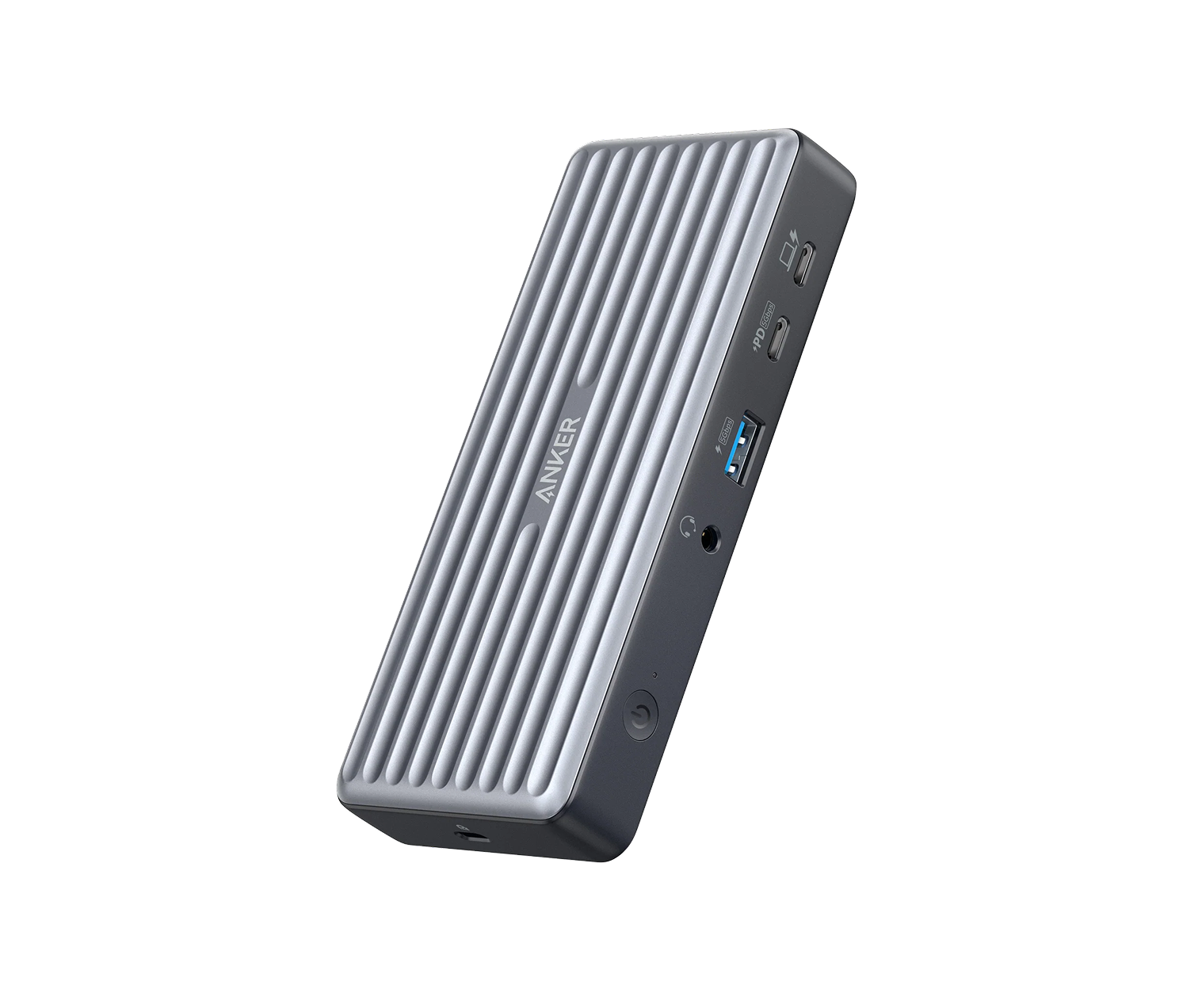
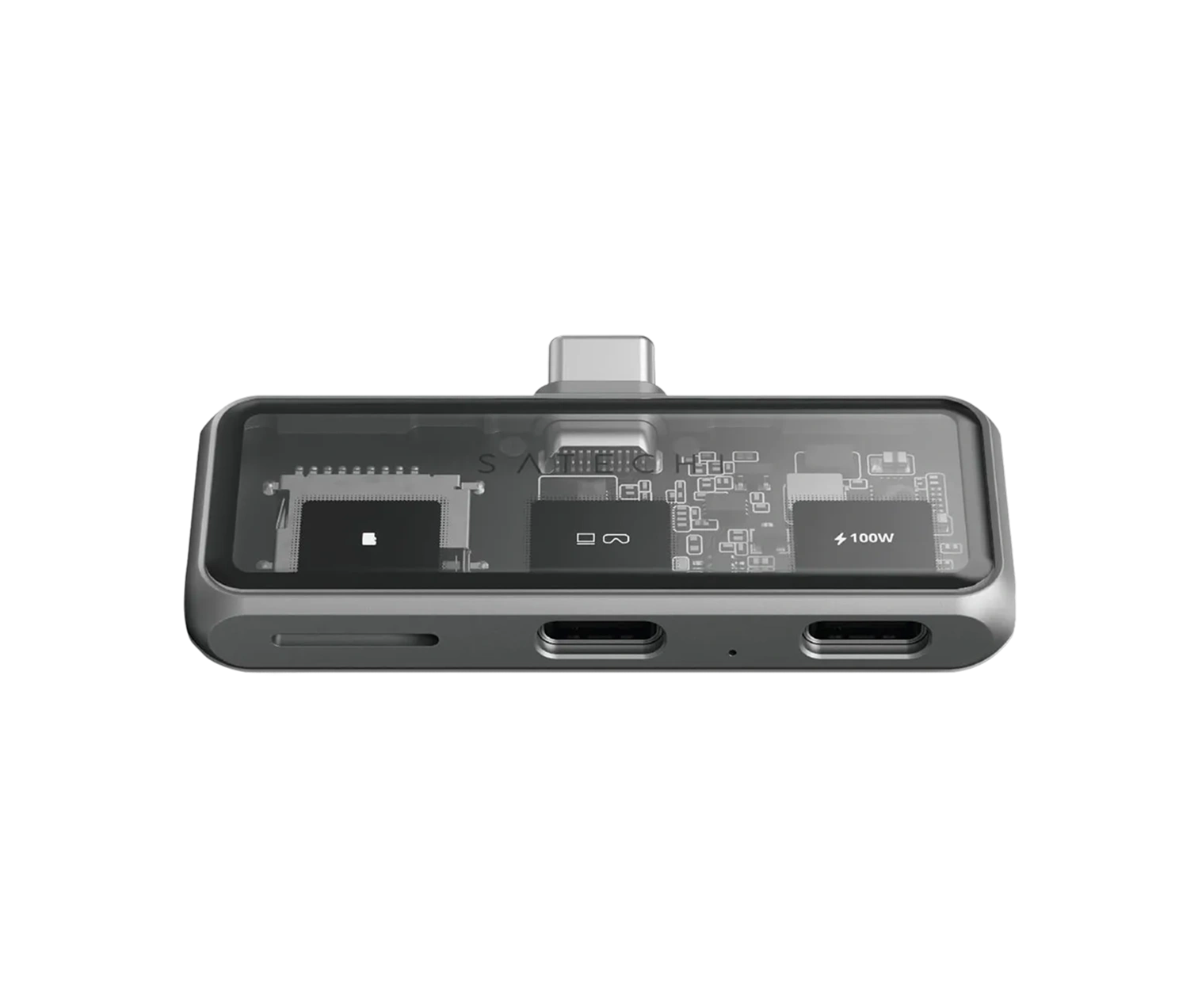
The Nano 7-in-1 drives a 4K monitor at 60 frames a second over HDMI, where Anker's own older 341 hub of the same port count stops at 30. On a large screen that gap shows up in the least glamorous place possible, the mouse pointer, which moves in steps at 30Hz and glides at 60. The seven are an HDMI output, two USB-A 3.0 ports, one USB-C data port, one USB-C power input, an SD slot and a microSD slot. The three data ports each run at 5 gigabits a second.
The power input is the part that earns its place. It takes up to 100 watts from a laptop charger and passes 85 watts through, the 15 watt gap being what the hub keeps for itself and any drives hanging off it. So the port the hub occupies comes back to you as a charging port, which matters on a machine that only has two.
One limit is worth knowing before you buy. Video leaves by HDMI only: the hub's USB-C port moves data and nothing else, and the card slots cannot be pressed into service as display outputs. A second screen has exactly one place to go. Beyond that the hub asks nothing of you, since it draws its power from whatever charger you already carry.
- Designed in
- China

- Display
- 4K at 60Hz, HDMI only
- Charging
- Up to 100W in over USB-C Power Delivery, 85W through to the laptop
- Controls
- HDMI, 2x USB-A 3.0, USB-C data, USB-C power, SD, microSD
- Range
- 5Gbps on each of the three data ports
Figures as published by the manufacturer. Source