About
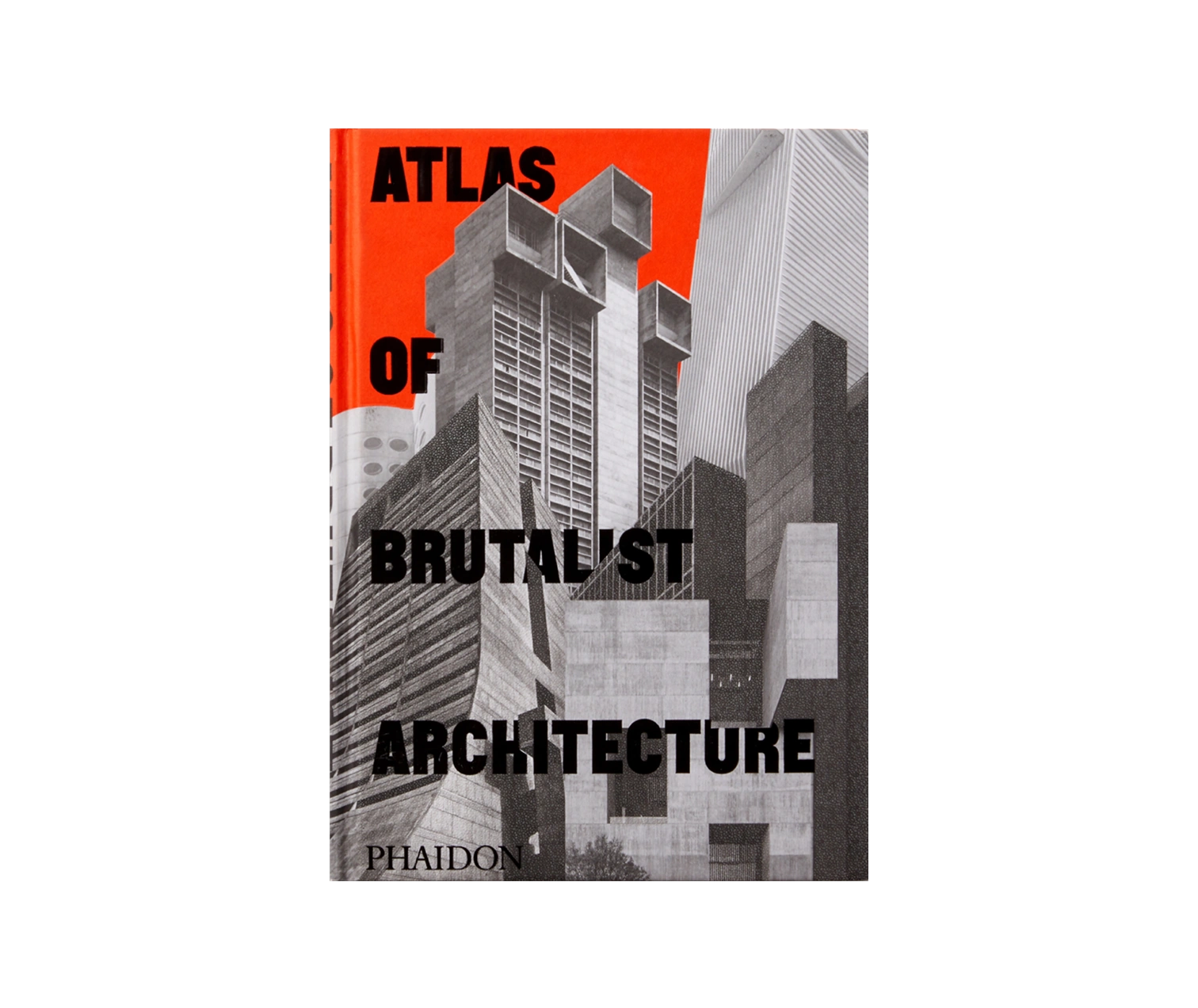
Brutalist architecture has always provoked strong reactions, which is precisely why it endures. The style's heavy concrete forms and fortress-like presence feel either like civic brutality or honest monumentalism, depending on who's looking. Phaidon's Atlas of Brutalist Architecture treats the category with the seriousness it deserves, moving past the aesthetic arguments to document what actually exists.
This survey catalogs 878 buildings across 102 countries, spanning work from 798 architects organized geographically into nine continental regions. The scope alone signals intent: this isn't a curated greatest-hits collection but a genuine attempt at comprehensiveness. What makes the book useful beyond its ambition is the categorization system layered beneath the photography. Each building is tagged by use (whether it remains functional or abandoned), status (listed heritage structures or those scheduled for demolition), and current condition.
This framework the book from coffee table object into something closer to an archive, a way to understand which Brutalist works have survived institutional protection and which remain vulnerable. The thousand duotone photographs across 568 pages give the concrete its due. Duotone printing, rather than full color, strips away distraction and emphasizes the sculptural qualities of the architecture itself. The tonal range becomes the subject. Someone interested in architectural history, preservation advocates tracking threatened buildings, or anyone who finds themselves drawn to raw concrete and geometric certainty will find this less a celebration of Brutalism than a reckoning with it.
The book acknowledges the style's contested legacy while refusing to reduce it to either caricature or nostalgia.