Coffee table books every home should have
Five coffee table books for design lovers, from Dieter Rams and Virgil Abloh to the Atlas of Furniture Design. Each one earns its place on your table.
Updated
A coffee table book has two jobs and most only do one. It has to survive somebody picking it up with thirty seconds to spare, and it has to reward somebody who has an hour. Books that fail the first are monographs. Books that fail the second are decoration.
The five here range from an eighteen-pound paperback to a thousand-page reference that weighs more than a laptop, and every one opens well at a random page. That is the test, and it is a design problem the publisher solves rather than the author.
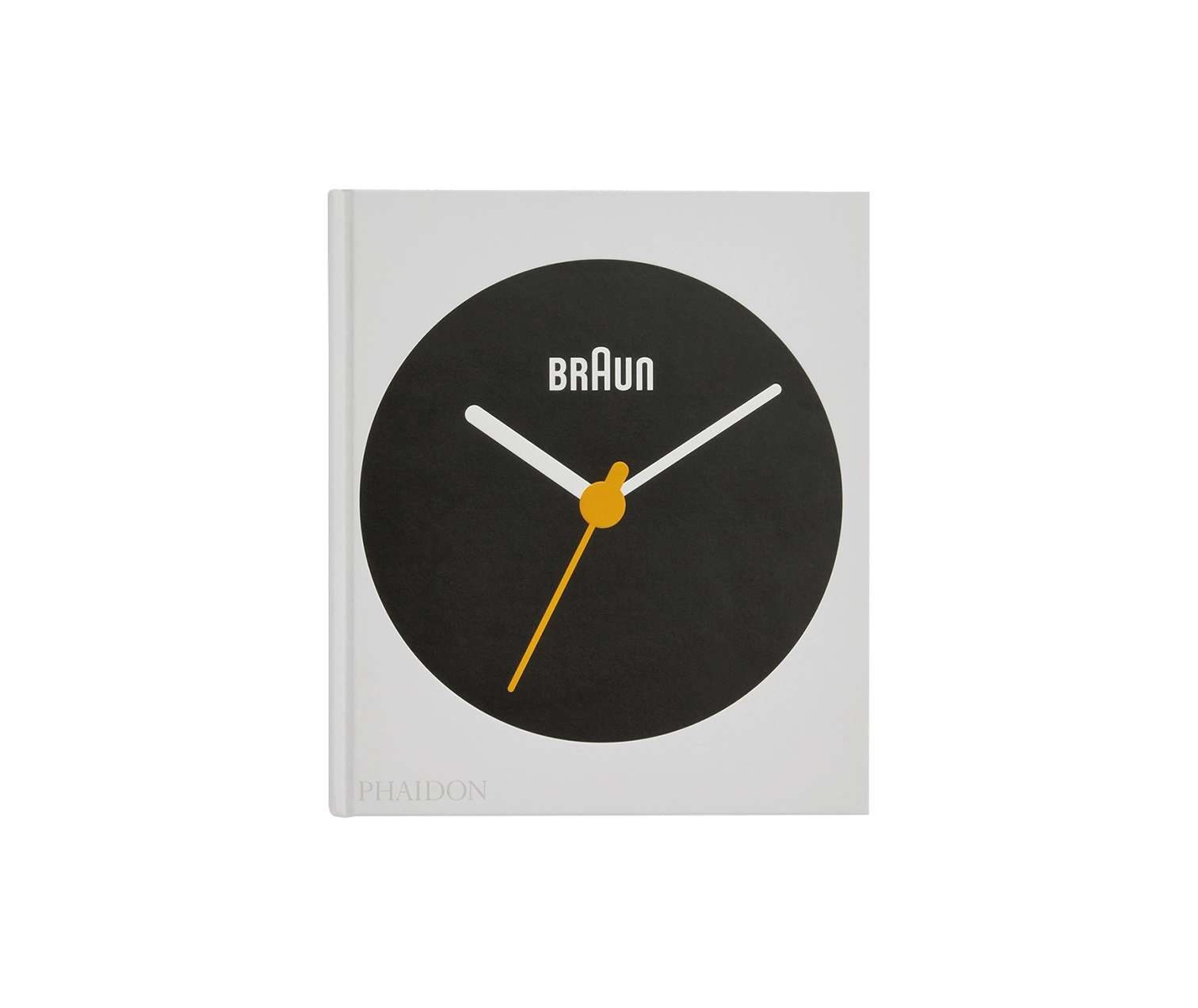
1.Dieter Rams: The Complete Works
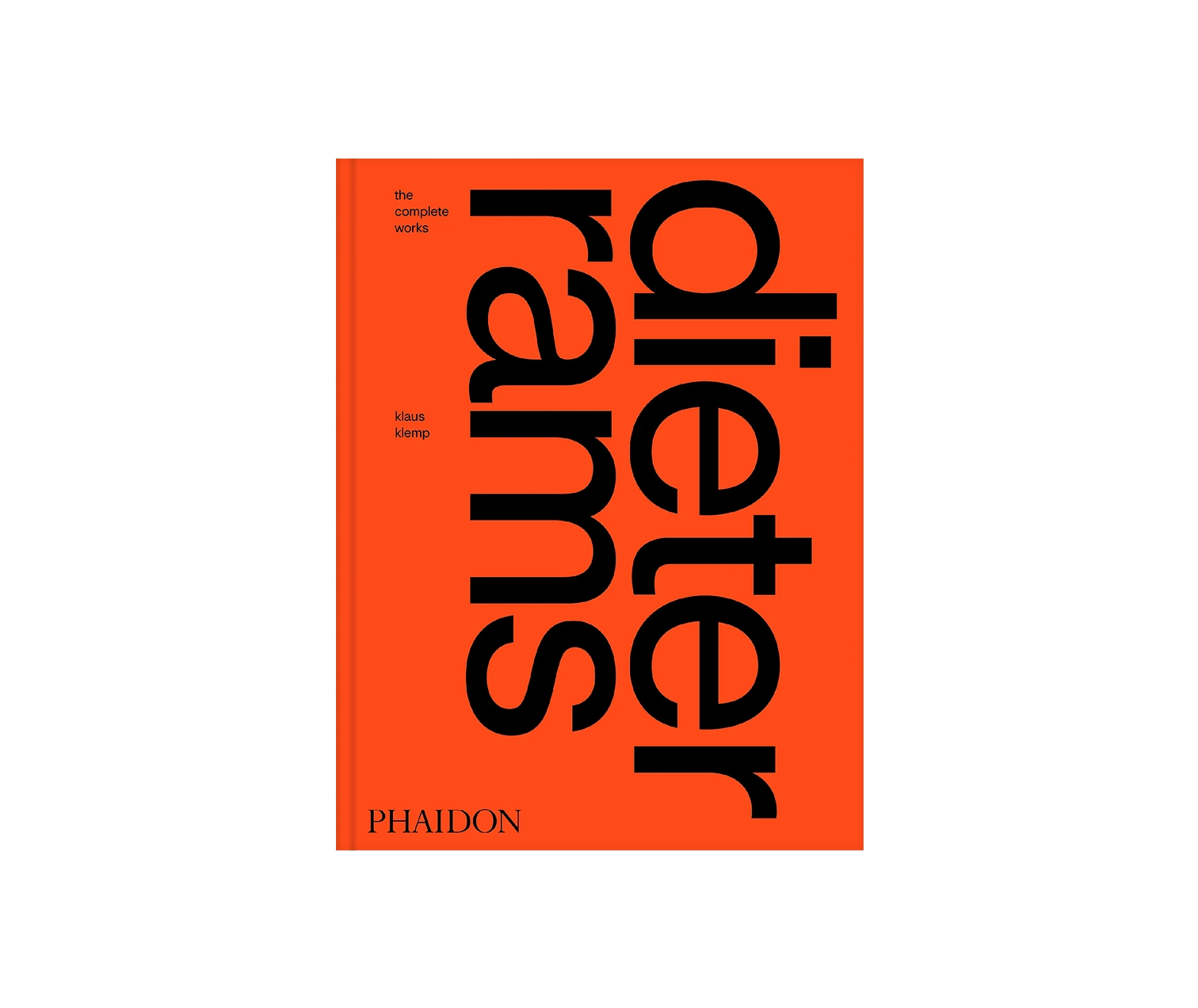
The whole output of the man who wrote the ten principles everyone quotes and almost nobody applies.
Phaidon collects the Braun and Vitsœ work together with sketches, prototypes and archival photography, which is the part that makes The Complete Works more than a catalogue. Seeing a product beside the drawing that preceded it shows the decisions, and the decisions are the argument.
Consistency is what comes through across the volume. Rams designed radios, shelving, shavers and lighters over four decades and the logic is identical in all of them, which is a harder thing to sustain than a signature style.
The Vitsœ 606 shelving in it has been in continuous production since 1960 and still fits its own earliest parts. That fact is the whole philosophy in one object.
2.Virgil Abloh. Nike. ICONS
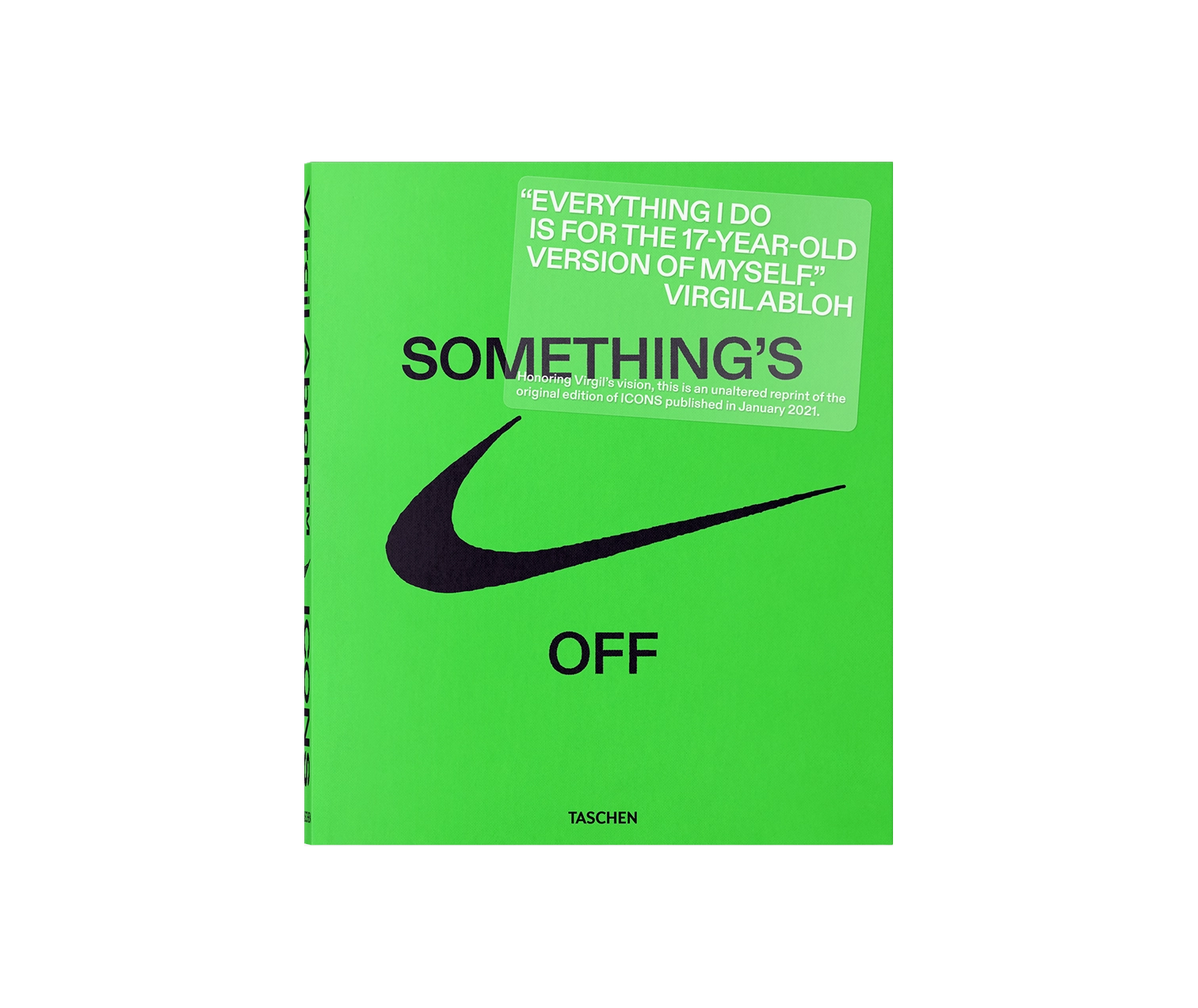
A book about deconstruction that documents ten shoes taken apart and rebuilt in front of you.
The Ten was a project of reassembling existing Nike silhouettes with the seams showing, the labels moved outside and the construction annotated on the shoe itself. Taschen presents ICONS as the design record of that: prototypes, notes, and the reasoning at each stage.
What makes it work on a table is that the subject was already about showing its own process, so the book has genuine material rather than finished photographs.
The bright green cover is loud, and that is the correct decision for a book about a designer whose entire method was making the internal external.
3.Atlas of Furniture Design
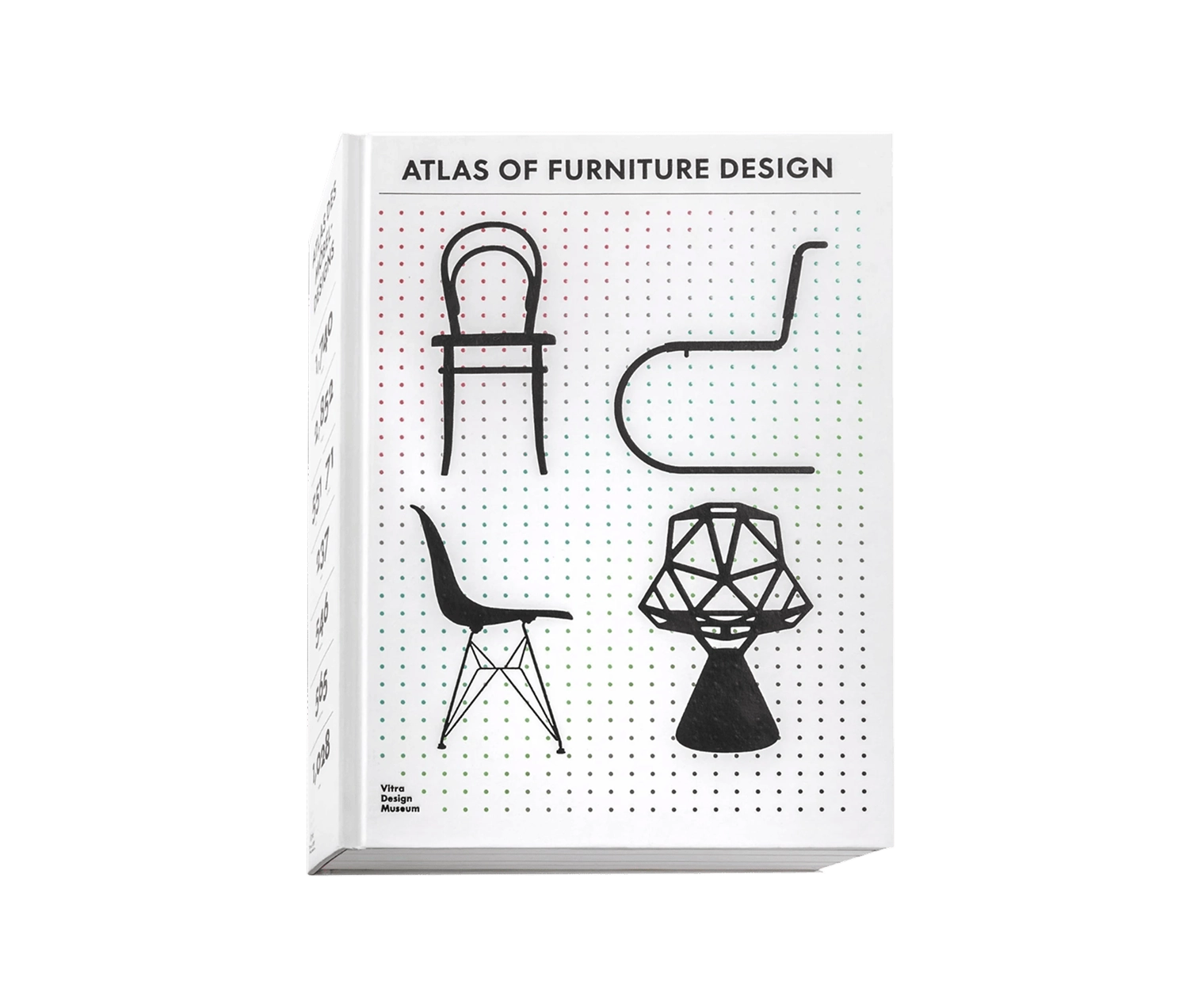
Over a thousand pages and more than 1,700 images, which makes it the reference on this page and never the browse.
The Vitra Design Museum built the Atlas from its own collection, the largest of its kind, and that provenance is why the object photography stays consistent: the same pieces, the same studio, over years.
Each section places a chair or a table in the situation that produced it, so it reads as a history of manufacturing and material as much as of form. Bentwood exists because of a steam process. Tubular steel exists because of bicycle tubing.
It is too heavy to hold comfortably and it is the one people sit down with, which is the opposite of what its size suggests.
4.The Design Book
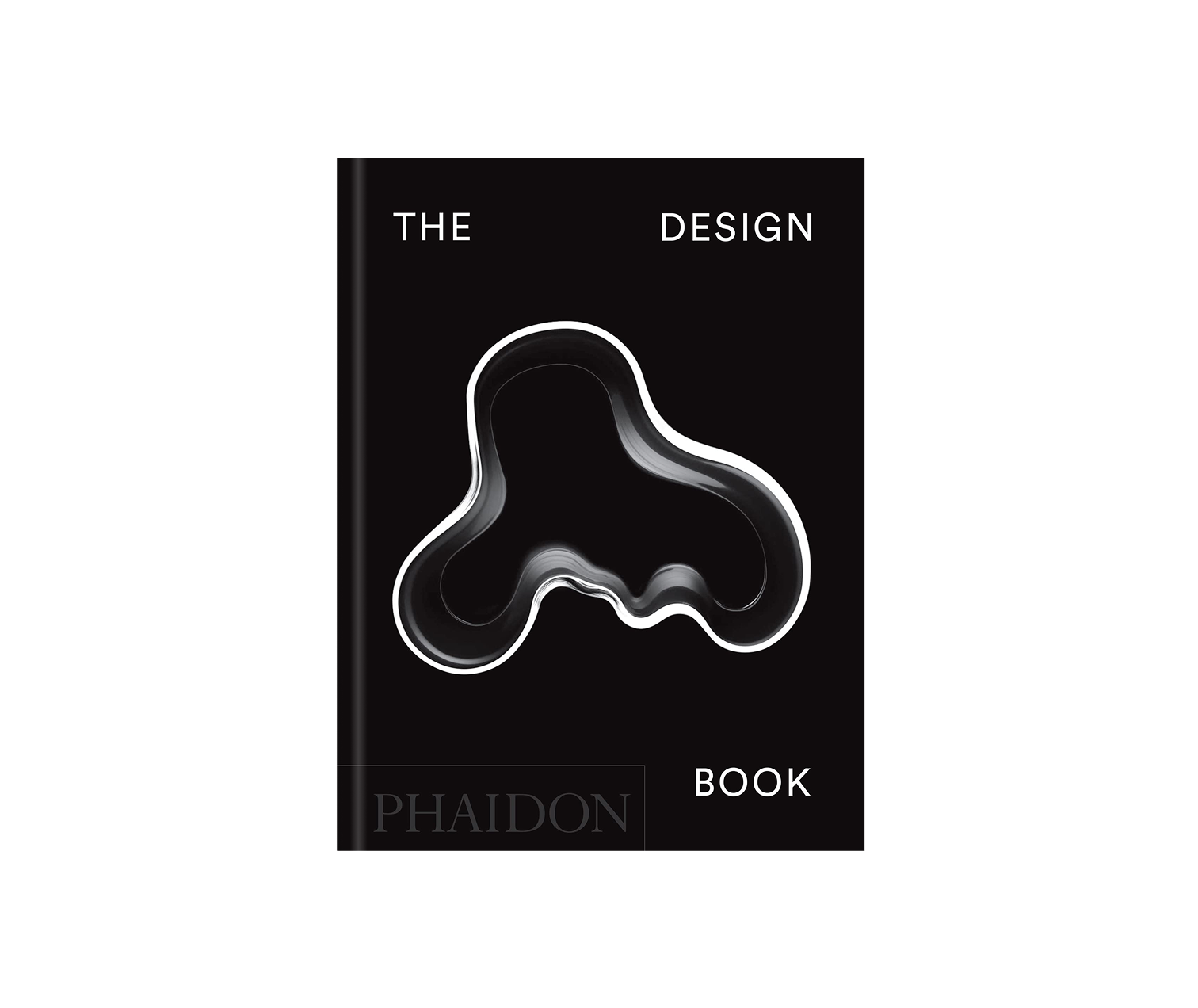
Five hundred objects, one per page, at a fraction of what anything else here costs.
The format is the argument. One object, one page, no essay, which means you open it anywhere and close it after ninety seconds without losing a thread. Phaidon has made The Design Book the one that actually gets picked up.
The selection runs from furniture to tools to packaging, which is the range that shows what the discipline covers. A chair and a paperclip in the same volume is a stronger statement than either alone.
Compact and thick, so it works as the book on a side table where the Atlas cannot go.
5.Design of the 20th Century
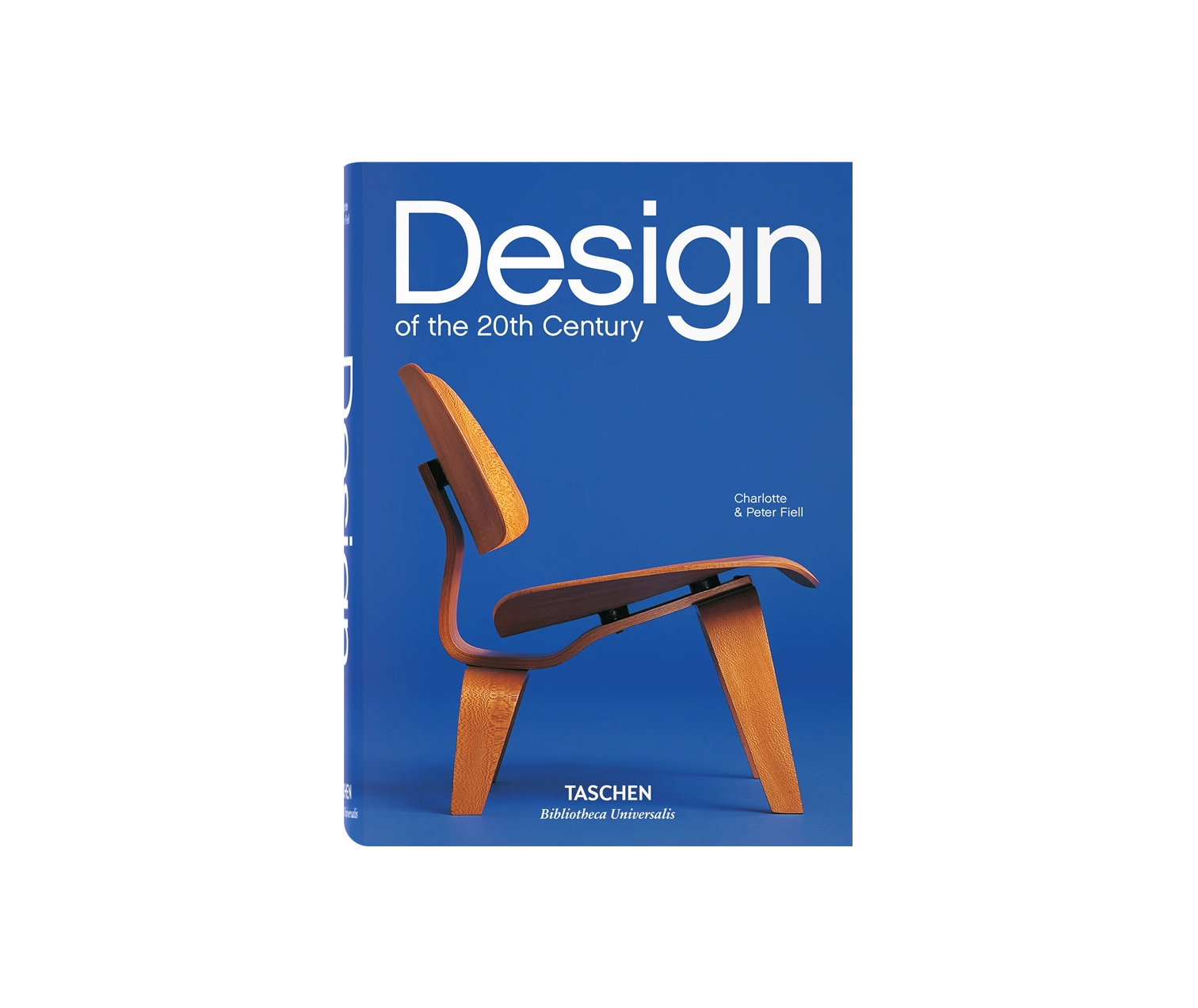
A hundred years arranged so you can see the arguments happening.
Taschen organises Design of the 20th Century by decade instead of by designer, which means the Eameses, Le Corbusier and Arne Jacobsen appear next to their contemporaries instead of in isolation. Design read that way stops being a series of individuals and becomes a conversation, mostly an argument.
The period coverage is the value. Most single-volume design histories thin out after 1970; this carries through to the end of the century, which is where the objects in most houses actually come from.
Priced to be bought and not received, which for a book guests will pick up is the right side of the line.
What makes a book worth the table
The test is whether it opens well at random. A book needs a structure that survives you entering it halfway, which means self-contained spreads, captions that stand alone, and an image on almost every page. That is a publishing decision and not a writing one, and it is why some brilliant books make poor coffee table books.
Weight decides where a book lives, not whether it is good. The Atlas is a sit-down object and The Design Book is a stand-up one, and a table wants at least one of each.
The other half of a room's shelf is in design books every creative needs. A book left open needs somewhere to stand, and a walnut and aluminium bookstand that holds one is in shelf worthy objects for modern homes.
How we chose
We chose these five on whether the book opens well at a random page, which is the only test that separates a coffee table book from a monograph that happens to be large. Publishers do not issue specification sheets, so no pick carries a panel and there is no comparison table; the page and image counts quoted here come from each publisher's own listing.
About the author

Justin Farrugia
Founder & Editor of Curated Supply
Justin Farrugia is the founder and editor of Curated Supply, a design-led directory to things worth owning. He has personally curated over 1,000 products across workspace, carry, coffee, audio, and the home, each judged against one standard: design intent, material quality, and the restraint that lets a thing last.