Portable gaming consoles that look as good as they play
Three portable gaming consoles worth owning for their design as much as their play. Steam Deck OLED, Analogue Pocket, and Playdate, reviewed and compared.
Updated
These three handhelds disagree about what a screen is for, and the pixel densities show it: 615 pixels per inch on the Analogue Pocket, about 200 on the Steam Deck, and 400 by 240 in one bit of black and white on the Playdate. None of those is a compromise. Each is the correct answer to a different question.
The Steam Deck runs a PC library at 90 Hz. The Pocket runs original Game Boy cartridges on reconfigured silicon. The Playdate runs games written for a crank. All three publish their specifications, which in consumer electronics is rarer than it should be and is why this page has a table on it.
1.Valve Steam Deck OLED
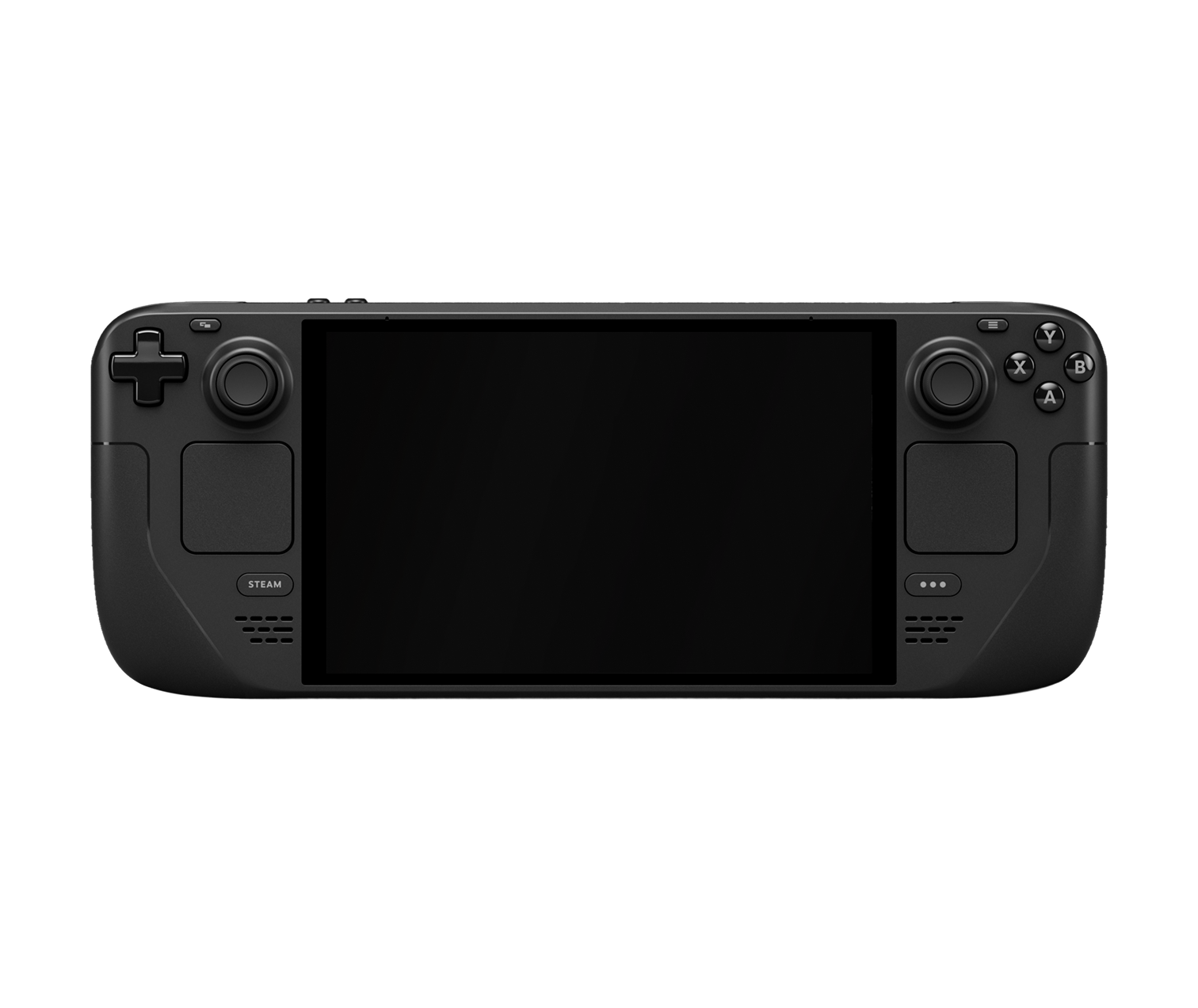
A 7.4-inch OLED running at up to 90 Hz, driven by a 6 nm APU off a 50 Wh battery.
Those three figures explain the object. The Steam Deck OLED is a full PC in a handheld shell, and the 50 Wh battery is roughly what a thin laptop carries, which is why it manages 3 to 12 hours depending entirely on what is running. A demanding title empties it in an afternoon; a 2D indie game lasts a working day.
The screen is the upgrade over the original. OLED means true black where the old panel gave backlit grey, and 90 Hz means the motion in a fast game resolves instead of smearing. At 1280 by 800 across 7.4 inches the pixel density is unremarkable, which is deliberate: a lower resolution is a lower load on the APU and a longer battery.
Valve has built it in textured magnesium with triggers that offer real resistance and a fan that stays out of the way. Storage runs 512 GB or 1 TB on NVMe, and it is the only device here where the library is effectively unlimited.
- Screen
- 7.4 in OLED, up to 90 Hz
- Resolution
- 1280 × 800
- Battery
- 50 Wh, 3–12 hours of gameplay
- Storage
- 512 GB or 1 TB NVMe SSD
- Processor
- 6 nm APU
Specifications as published by the manufacturer. Source
2.Analogue Pocket
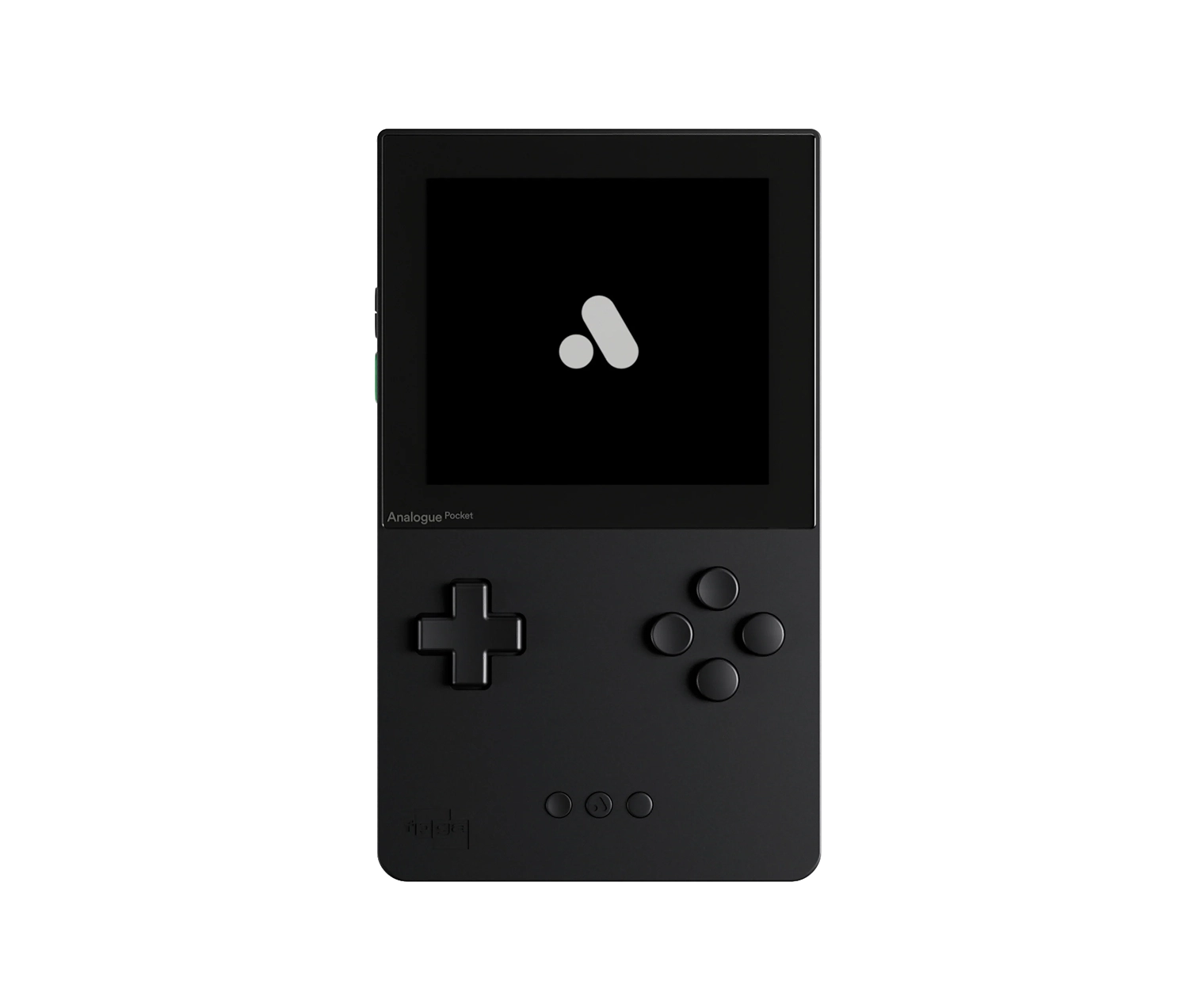
615 pixels per inch, which is roughly three times the density of the Steam Deck and about double a modern phone.
That number exists for one reason. The Pocket displays a Game Boy's 160 by 144 pixels, and at 1600 by 1440 on a 3.5-inch panel each original pixel maps to exactly ten by ten real ones. No scaling, no interpolation, no blur: the grid is integer-perfect, which is why a 1989 cartridge looks sharper here than it ever did on the hardware its authors wrote it for.
The other half is the silicon. Analogue uses two FPGAs instead of software emulation, so the chip becomes the original hardware and never has to pretend to be it. Cartridges go in the slot: Game Boy, Game Boy Color and Game Boy Advance natively, and Game Gear, Neo Geo Pocket, Atari Lynx, TurboGrafx-16 and others through adapters.
A 4300 mAh battery gives 6 to 10 hours. The display rotates 360 degrees for tate-mode arcade boards, there are stereo speakers and a 3.5 mm output, and there is an original-style link port for two-player cables that are older than most of the people buying one.
- Screen
- 3.5 in LCD, 615 ppi
- Resolution
- 1600 × 1440
- Battery
- 4300 mAh, 6–10 hours of gameplay
- Storage
- Cartridge slot and micro SD
- Silicon
- Two FPGAs, not software emulation
- Plays
- Game Boy, Color and Advance natively
Specifications as published by the manufacturer. Source
3.Playdate
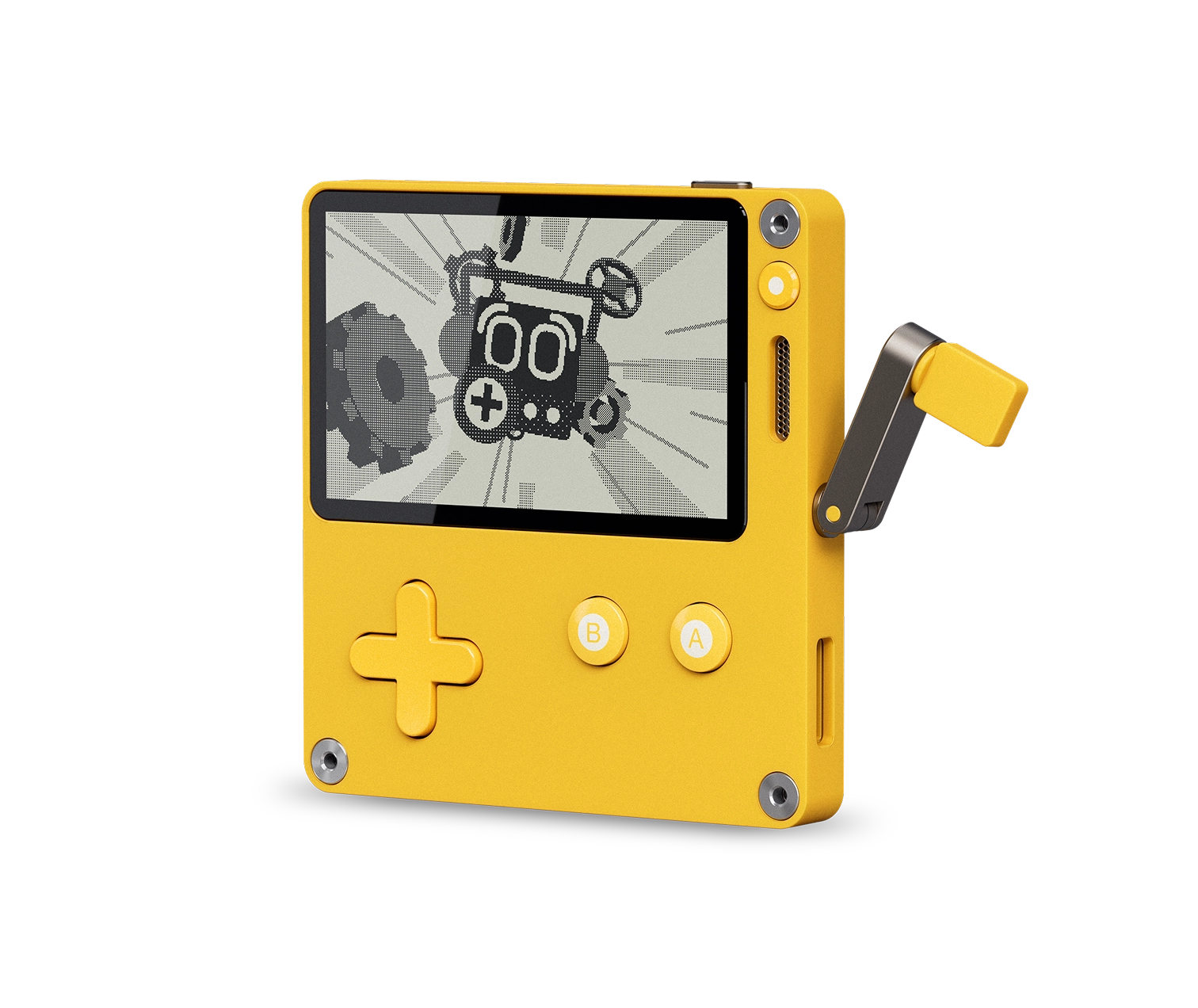
The screen is reflective, not backlit, which makes it the only handheld here that gets better in direct sunlight.
Backlit screens fight the sun and lose. The Playdate's 400 by 240 one-bit display works the way a Game Boy's did and an e-reader's does, using ambient light instead of fighting it, so it is legible on a beach and needs a lamp in a dark room. That is a deliberate inversion of every other screen you own.
The crank is the other one. It folds out of the side and turns, giving developers an analogue input nothing else has, and the games built around it are genuinely unlike anything on a thumbstick.
76 × 74 × 9 mm, which is smaller than most phones in two dimensions and thinner in the third. Eight hours of play, fourteen days of standby, 4 GB of storage. Twenty-four games arrive over the first twelve weeks, two a week, which turns ownership into a subscription you already paid for.
- Screen
- Reflective black and white, not backlit
- Resolution
- 400 × 240, 1-bit
- Battery
- 8 hours active, 14 days standby
- Storage
- 4 GB Flash
- Dimensions
- 76 × 74 × 9 mm
- Included
- Two games a week for twelve weeks
Specifications as published by the manufacturer. Source
What to look for in a handheld console
Pixel density only matters relative to the content
615 ppi on the Pocket is not there to look sharp in the abstract. It is there so a 160-pixel-wide Game Boy image divides into it exactly, with no scaling artefacts. The Steam Deck's roughly 200 ppi is the right choice for the opposite reason: fewer pixels is less work for the chip and more hours from the battery. A high number is only better when the source material can use it.
Battery figures are ranges for a reason
Valve quotes 3 to 12 hours on a 50 Wh battery, and that spread is honest rather than evasive: a modern 3D title and a pixel-art platformer draw completely different power from the same chip. A fixed-function device can quote one number, which is why the Pocket says 6 to 10 and the Playdate says 8. Read the low end of any range as the real one.
FPGA and emulation are not the same thing
Software emulation runs a program that imitates old hardware, and it is usually close and occasionally wrong on timing. An FPGA is a chip you rewire into the original circuit, so it behaves as the hardware did instead of approximating it. That is why the Pocket takes real cartridges and why its accuracy argument holds up.
Reflective screens invert everything you expect
A backlit screen is brightest indoors and washes out in the sun. A reflective one lives on ambient light, so it is sharpest outdoors and needs a lamp at night. Neither is better; they suit opposite rooms. If a handheld is for a train window or a garden, reflective is the right technology and almost nobody makes one.
Which of the three
So: a PC library in your hands, the Steam Deck. Cartridges you already own, shown properly, the Pocket. And the Playdate if you want games that could not exist on anything else.
A handheld is one of the few objects that stays on a desk without being work. The rest of that shelf is in design toys worth displaying.
All 3 compared
Valve Steam Deck OLEDA PC at 90 Hz, and a 50 Wh battery to match- Screen
- 7.4 in OLED
- Resolution
- 1280 × 800
- Battery
- 3–12 h
- Storage
- 512 GB / 1 TB
Analogue Pocket615 ppi, so a Game Boy pixel maps to exactly ten of them- Screen
- 3.5 in LCD
- Resolution
- 1600 × 1440
- Battery
- 6–10 h
- Storage
- Cartridge + SD
Playdate ConsoleA reflective screen and a crank, in 76 × 74 × 9 mm- Screen
- Reflective 1-bit
- Resolution
- 400 × 240
- Battery
- 8 h
- Storage
- 4 GB
How we chose
We chose these three because each answers a different question about what a handheld is for, and because all three makers publish their specifications, which is why this post carries a comparison table where most of ours do not. Every figure below is quoted from the maker's own page and links back to it.
Common questions
A field-programmable gate array is a chip whose internal logic can be rewired, so it becomes a copy of the original circuit rather than a program imitating one. Software emulation runs on a general processor and is usually accurate and occasionally wrong on timing, which shows up as audio glitches or frames landing late. An FPGA reproduces the hardware's behaviour directly, which is why the Analogue Pocket accepts real cartridges and why its accuracy claim holds.
Only if the content can use it. The Analogue Pocket's 615 ppi exists so that a Game Boy's 160 by 144 image divides into it exactly, ten real pixels per original one, with no scaling blur. The Steam Deck's much lower density is a deliberate choice in the other direction: fewer pixels is less work for the processor and more hours from the battery.
Because it is reflective rather than backlit, and a reflective screen uses ambient light instead of fighting it. That inverts everything: it is sharpest in direct sunlight and needs a lamp in a dark room, which is the opposite of every other screen you own. It also draws almost no power, which is how a device that size manages eight hours of play and a fortnight of standby.
Valve publishes 3 to 12 hours on a 50 Wh battery, and the spread is honest rather than evasive. A demanding 3D title and a 2D indie game draw completely different power from the same chip, so the same device empties in an afternoon or lasts a working day depending purely on what is running. Treat the low figure as the real one for anything modern.
It depends which library you want. The Steam Deck plays a PC catalogue and is the only one here with effectively unlimited games. The Analogue Pocket plays cartridges you may already own, shown better than the original hardware ever managed. The Playdate plays about two dozen games built around a crank, which exist nowhere else and cannot be experienced any other way.
About the author

Justin Farrugia
Founder & Editor of Curated Supply
Justin Farrugia is the founder and editor of Curated Supply, a design-led directory to things worth owning. He has personally curated over 1,000 products across workspace, carry, coffee, audio, and the home, each judged against one standard: design intent, material quality, and the restraint that lets a thing last.