Staff Pick
About
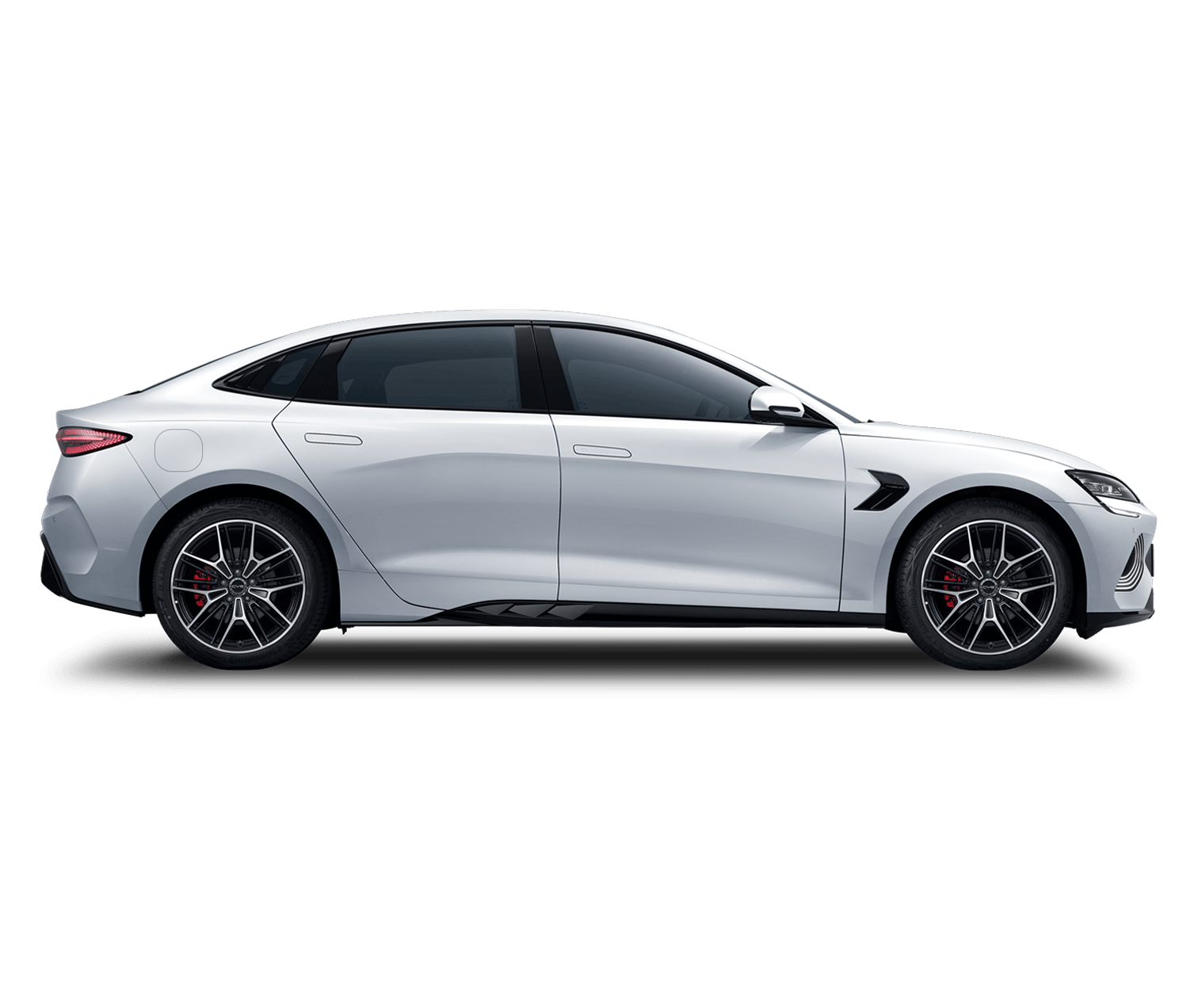
A battery is usually a heavy thing bolted into a car. In the Seal it is part of the car, bonded into the floor so that removing it would leave nothing to drive.
The BYD Seal is the first car built with the company's cell-to-body construction, and the body that results resists twisting at 40,500 newton metres per degree, a figure BYD compares to luxury saloons. The Blade Battery does that work because of its shape: lithium iron phosphate cells, long and flat, laid into the pack like structural beams. The chemistry matters as much as the geometry. LFP generates heat slowly and releases no oxygen, and in BYD's nail penetration test, where a spike is driven through a live cell to force an internal short circuit, the pack produced no fire and no smoke while its surface stayed between 30 and 60 degrees. BYD rates the cells for more than 5,000 charge cycles.
Everything else sits on e-Platform 3.0, a platform built only for electric cars, which is why the motor, charger and control electronics fold into a single 8-in-1 unit rather than sitting apart and trading heat. A heat pump is standard, protecting range in the cold. The iTAC traction system moves drive torque between the wheels before they can slip rather than after. In four-wheel drive form the Seal makes 390 kilowatts and reaches 100 km/h in 3.8 seconds, and a 150 kilowatt DC charger takes the battery from 30 to 80 per cent in 26 minutes.
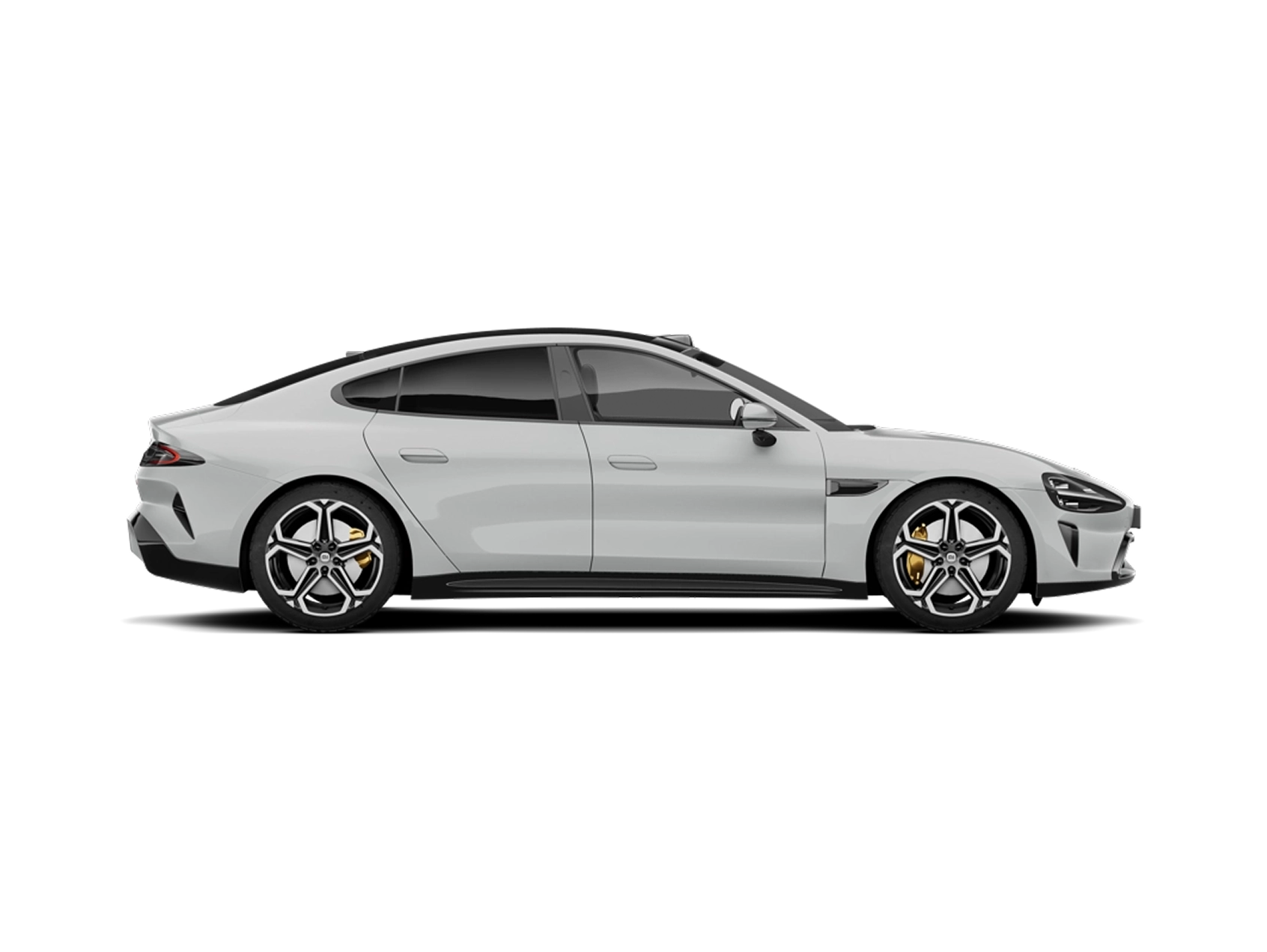
The cabin's 15.6 inch touchscreen rotates between landscape and portrait, and luggage splits across two ends of the car: 400 litres in the boot, another 53 under the bonnet. The exterior, drawn to BYD's ocean aesthetics theme, holds an iF Design Award, which is a rarer thing for a saloon to carry than a power figure.
- Display
- 15.6-inch rotatable touchscreen
- Power reserve
- up to 570km WLTP Combined
- Battery
- Blade Battery
Figures as published by the manufacturer. Source