About
Phone companies have been promising cars for years. Xiaomi's arrived, and the specification that gets argued about is not the screen or the software but the voltage.
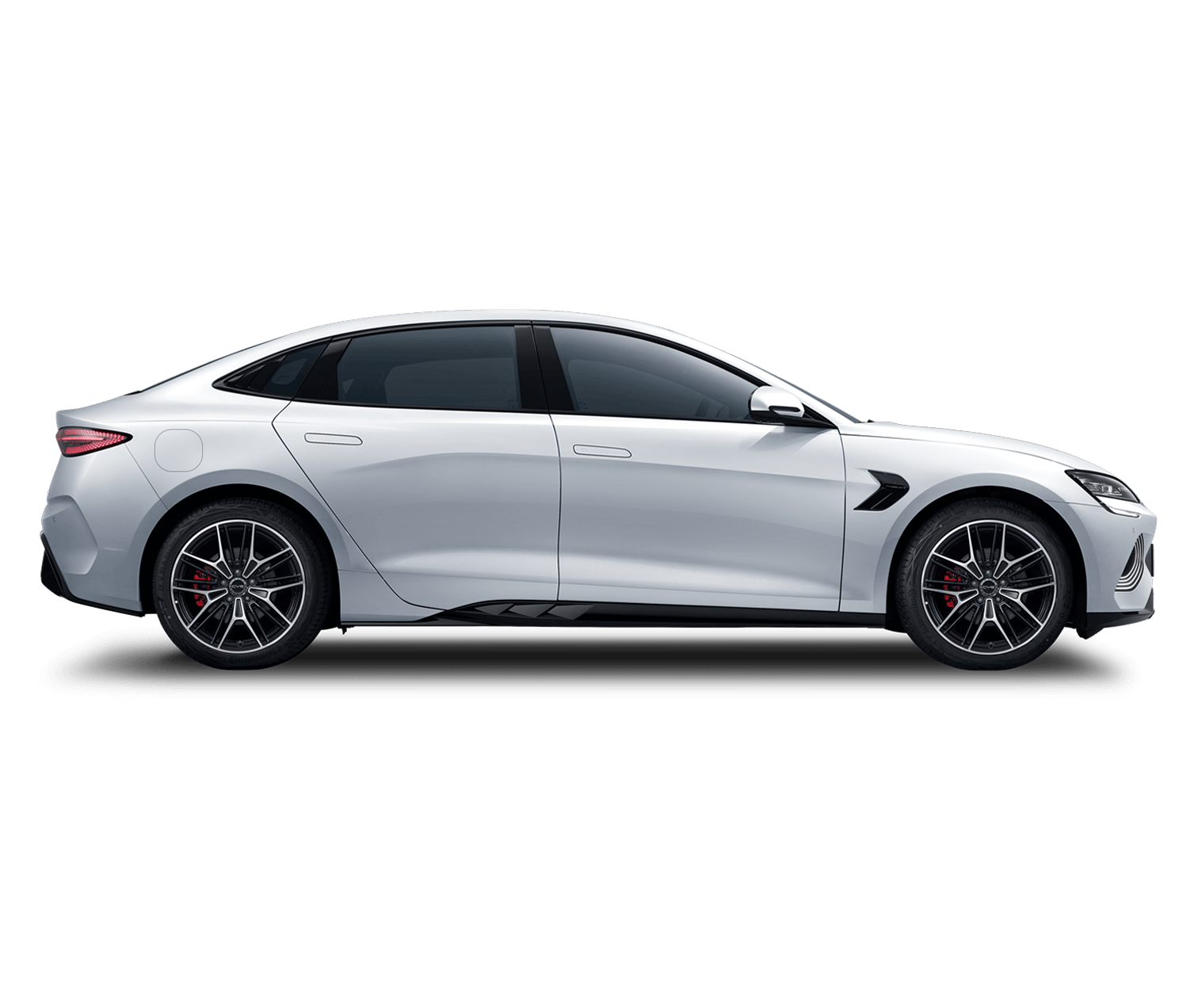
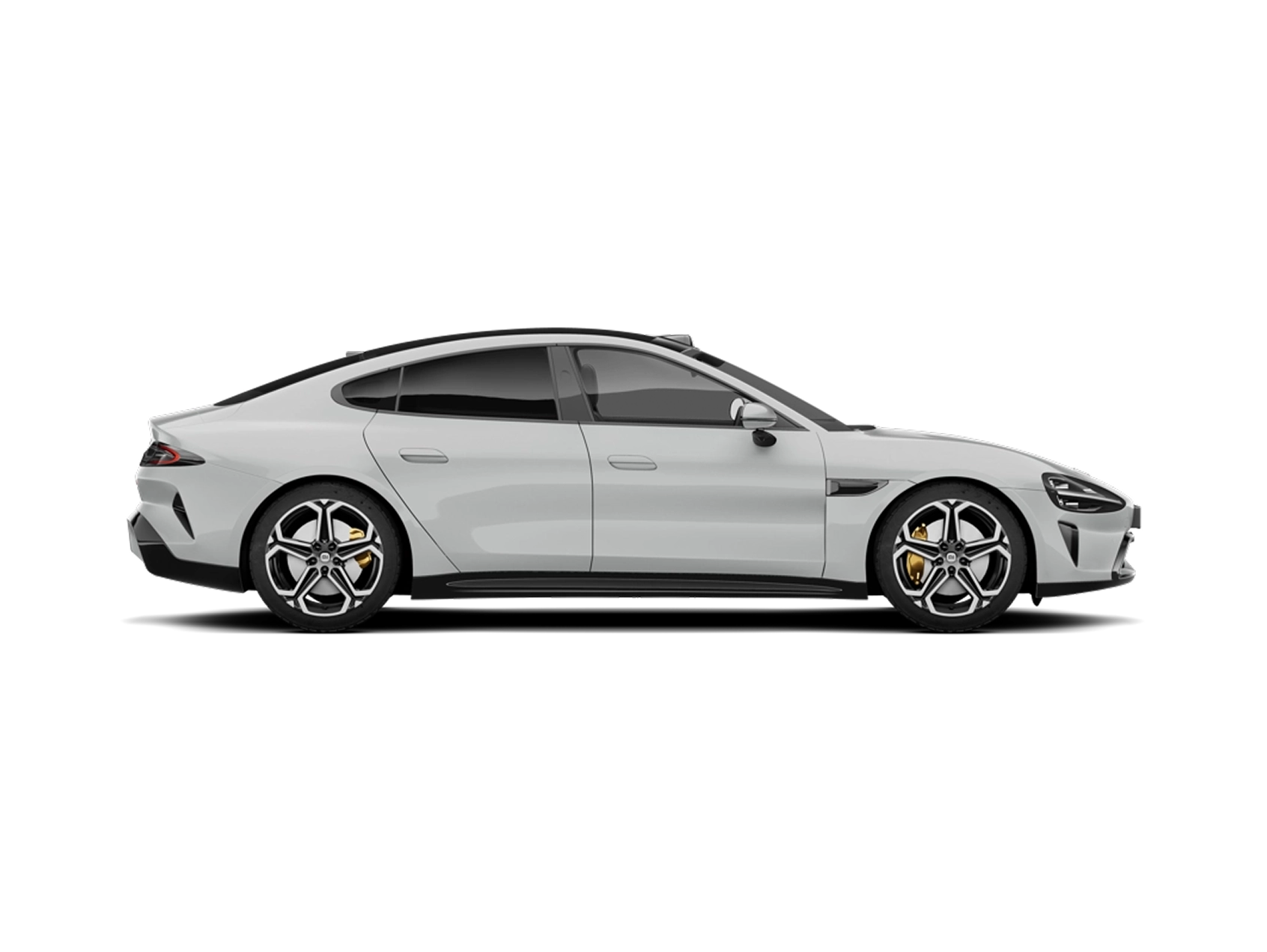
The Xiaomi SU7 is rated at up to 902km on China's CLTC cycle, delivered through what Xiaomi calls a full-domain silicon carbide high-voltage platform running at 752 volts on the Standard and Pro trims and 897 volts on the Max. Most EVs still switch their current with older silicon parts. A silicon carbide inverter switches more efficiently, and that efficiency is part of how Xiaomi pushes the voltage that high without growing the battery pack to match. The configurator splits the car three ways from 219,900 yuan for the Standard, and the hardware splits with it: Pro and Max add closed dual-chamber air springs with continuous damping control, and the Max swaps in Brembo four-piston front calipers in place of Xiaomi's own. Every trim now rides on 265mm-wide rear tyres.
The cabin follows the same three tiers. Standard and Pro seats come with fourteen-speaker audio, while the Max steps up to twenty-five speakers and an eighteen-way adjustable sports seat with ten-point massage. Underneath the trim, the body carries 2200MPa steel door beams, an embedded roll cage and nine airbags, two of them at the rear.
One caveat worth stating plainly before the specification sheet does any more persuading: Xiaomi does not sell or export the SU7 outside mainland China, so for most readers this is a car to follow rather than to configure.
- Designed & made in
- China

- Materials
- Range
- Up to 902km (CLTC)
- Battery
- 752V peak (Standard, Pro); 897V peak (Max), silicon carbide platform
- Colours
- 4 interior colour options
- Body
- 2200MPa steel door beams, embedded roll cage, 9 airbags
Figures as published by the manufacturer. Source