The Art of Impossible: The Bang & Olufsen Design Story
$195

About
Most brand monographs are written by outsiders working from catalogues and press photography, which is why so many of them read like a well-lit inventory. This one was assembled from the inside.
The Art of Impossible is Thames & Hudson's design history of Bang & Olufsen, told through first-person essays by the engineers and designers who actually built the products. The subject is the audio equipment, television sets and telephones that the Danish company says have repeatedly altered the appearance of people's homes since it began, and the account runs from the first product made after Peter Bang and Svend Olufsen founded the company in 1925 through to the BeoLab 90 loudspeaker. Each design gets a chapter on its materials and manufacturing, alongside profiles of the individual designers responsible. There is also a set of prototypes and sketches for models that were built and then never released, the part of a company's history that usually goes unphotographed.
Photographer Alastair Philip Wiper, an Englishman based in Copenhagen, contributes two kinds of image. The cross-section shots cut speakers and televisions open to show the engineering a finished cabinet is designed to hide. The rest are specially commissioned photographs of finished products staged inside real interiors, which is where the argument of the book sits: these objects were made to be lived with, by a company that now employs nearly 2,500 people.
- Published in
- United Kingdom

- Author
- Bang & Olufsen and Alastair Philip Wiper
- Publisher
- Thames & Hudson
- Size
- 240 pages
- Dimensions
- 30.5 x 25.5 cm
Figures as published by the manufacturer. Source
Alternatives


More from Thames & Hudson


You might also like


More in Books
See all


Staff Pick
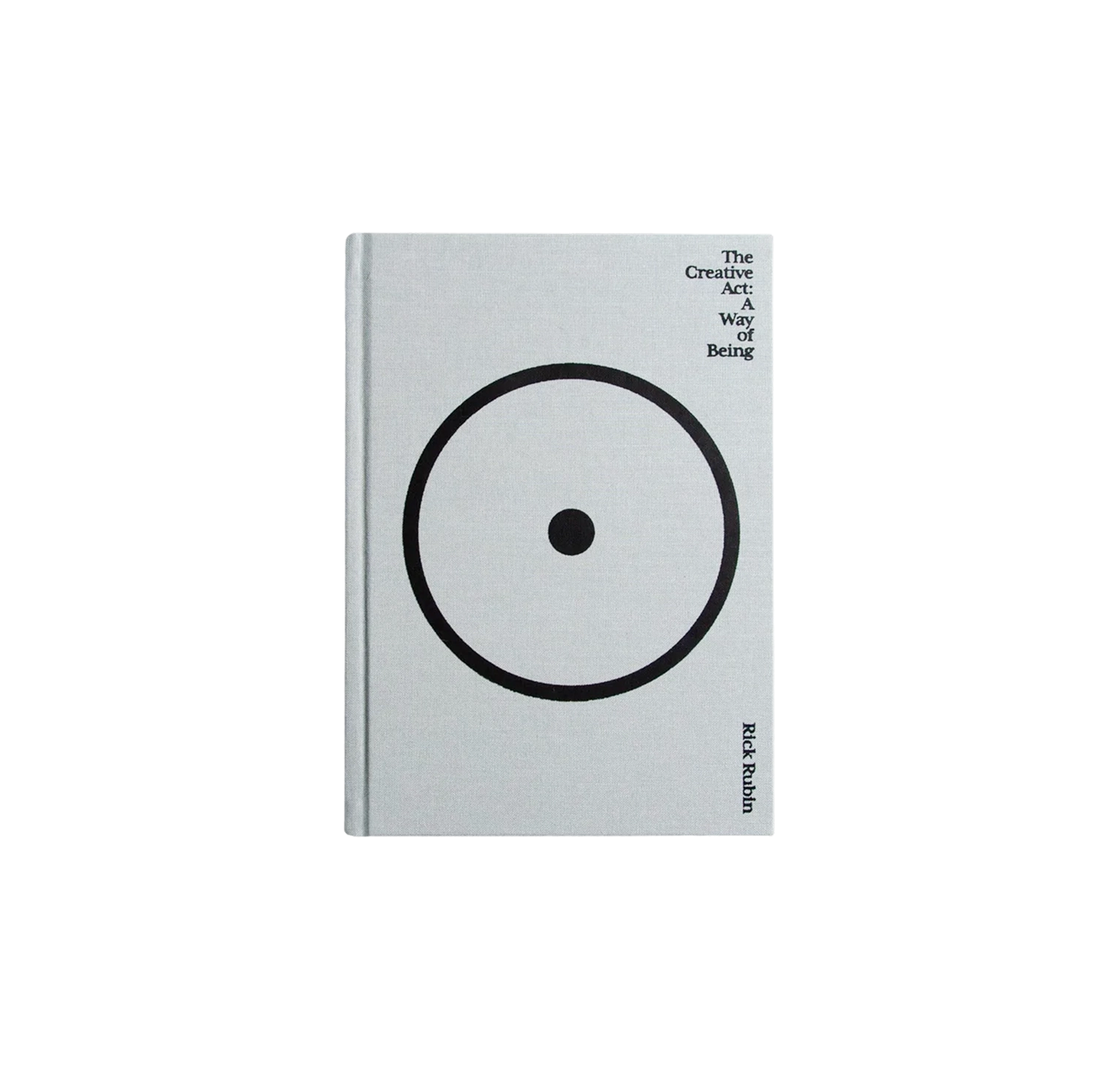
The Creative Act: A Way of Being by Rick Rubin
$32