Best wireless earbuds for everyday wear
Five wireless earbuds for everyday wear, from the frictionless AirPods 4 to the premium Beoplay 11, with options for work, for value and for Android users.
Updated
Everything an earbud does well depends on the seal, and the seal depends on whether the tip fits your ear. Bass response, noise cancellation and how long you can stand wearing them all follow from it, which is why the same pair genuinely sounds different on two people and why the tip fitted in the box is rarely the right one.
The five here run $149 to $429 and split by what each one does best: one for calls, one for an Apple household, one for a Samsung one, one for value and one for sound. The over-ear version of this argument is in over-ear headphones for deep work.
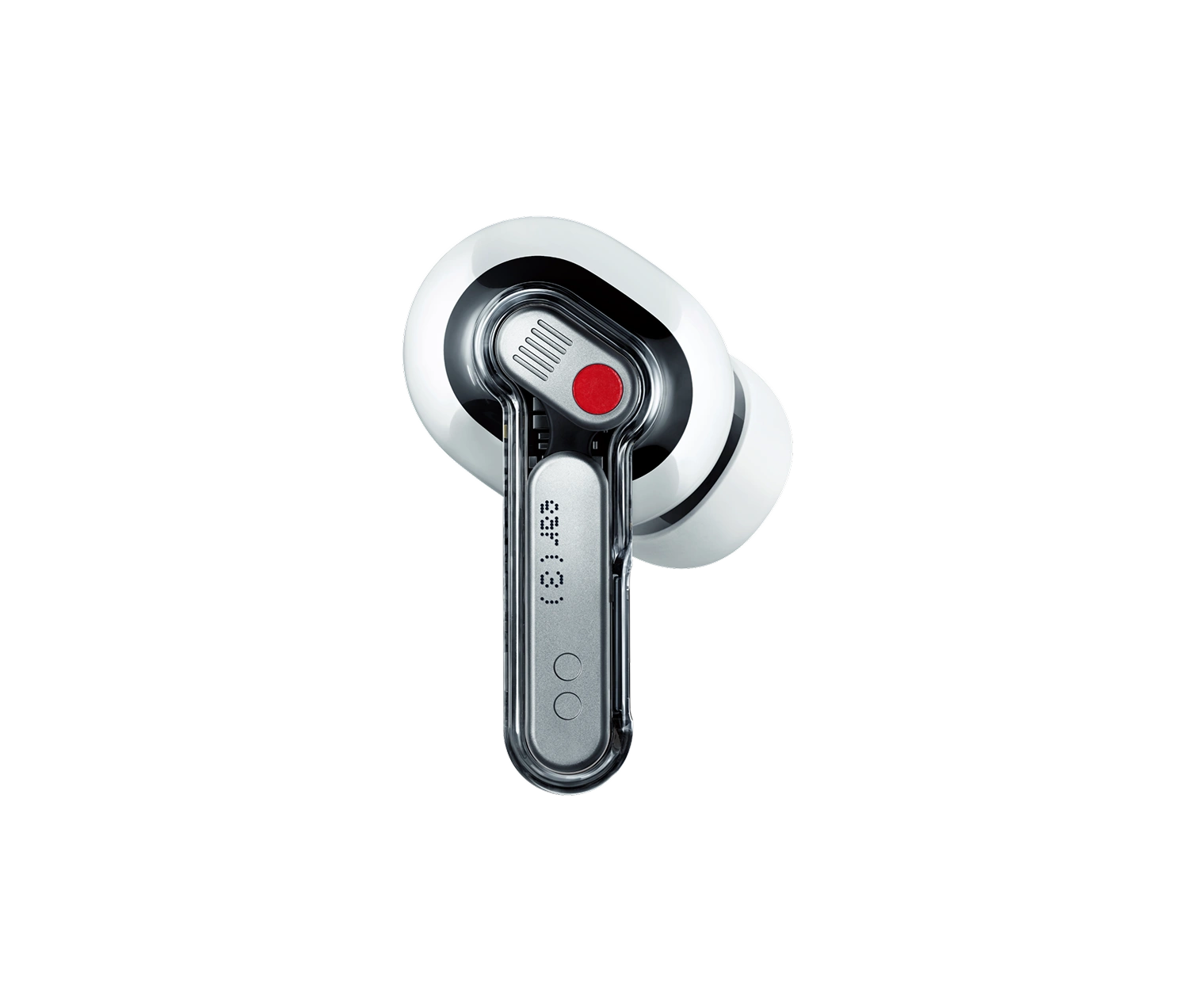
1.Nothing Ear (3)
Pros
- 12 mm drivers, the largest here alongside the Logitech
- LDAC at up to 990 kbps, which none of the other four offers
- 45 dB of adaptive cancellation
- Three MEMS microphones and a voice pickup unit per side
Cons
- 5.5 hours with cancellation on, the shortest of the five
- LDAC needs an Android phone, so on an iPhone it falls back to AAC
The transparent housing is the thing everyone mentions and the least interesting thing about them.
What matters on the Ear (3) is that Nothing has tuned them balanced at a price where almost everyone tunes loud. Cheap earbuds get bass-heavy because bass is what sells in a thirty-second listen, and it is also what turns a podcast muddy and makes a two-hour session tiring.
Cancellation holds up on a commute and in a café, which is the realistic test rather than an aeroplane. Calls come through clearly, and the fit stays comfortable without the pressure some sealed designs build up.
The case goes in a pocket without a shape, pairing is quick and the controls behave. At this money the achievement is that none of it needs thinking about.
- Battery
- 5.5 h with ANC on, 10 h with it off
- Weight
- 5.2 g per earbud, 71.4 g case
- Driver
- 12 mm dynamic, PMI and TPU diaphragm
- ANC
- Adaptive, up to 45 dB
- Bluetooth
- 5.4, with SBC, AAC and LDAC
- With case
- Over 40 hours
- Rating
- IP54
Specifications as published by the manufacturer. Source
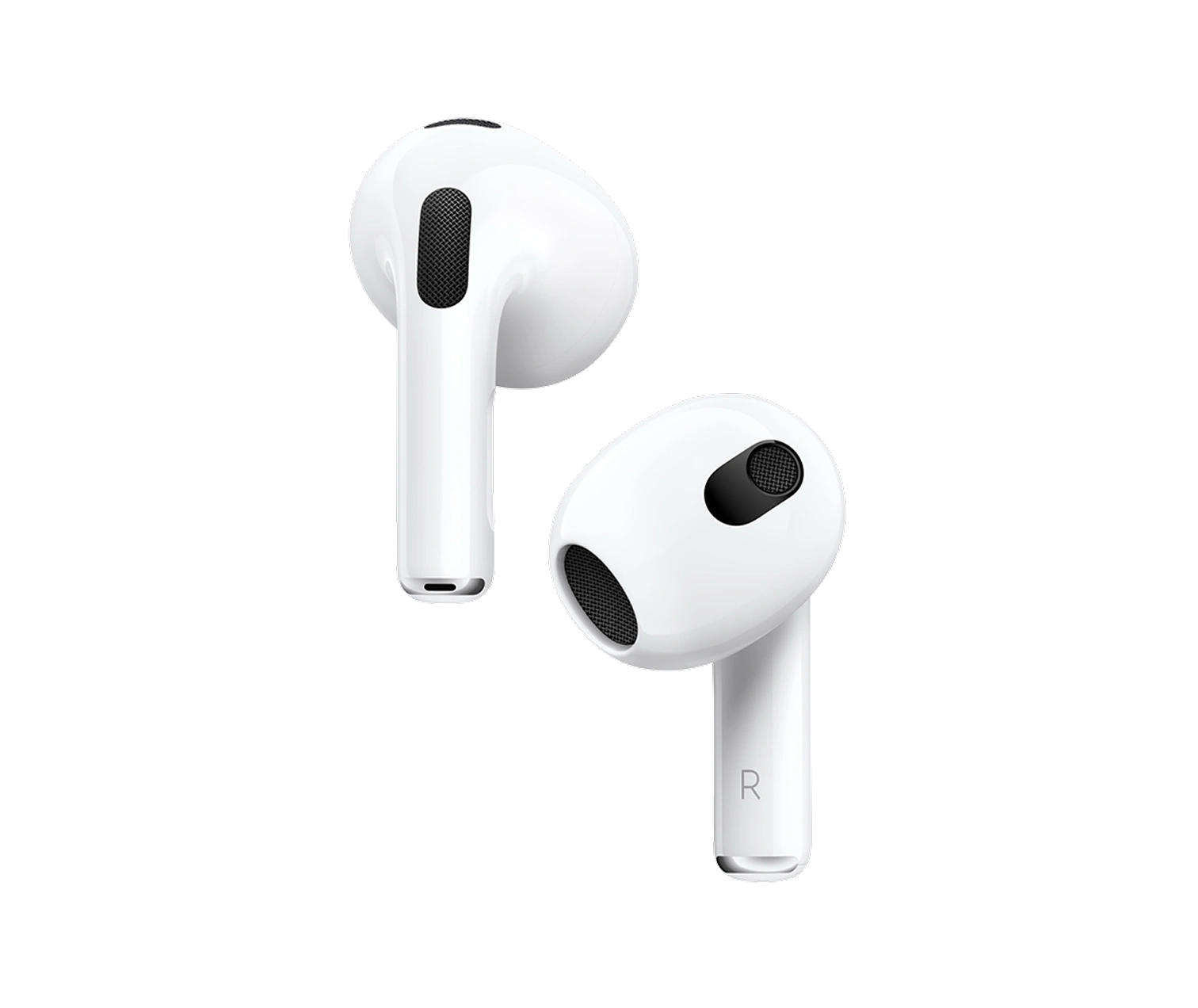
2.Apple AirPods 4
Pros
- 4.3 g each, the lightest here by almost a gram
- H2 handoff across every Apple device with no pairing at all
- IP54 on both the open and the cancelling model
Cons
- 4 hours with cancellation on, the shortest of the five
- Apple publishes no driver size, so there is nothing to compare on the hardware
There are two of these, and the difference matters: only the dearer version has active noise cancellation at all.
Apple sells the AirPods 4 as a base model and an ANC model, and the specifications diverge accordingly. The base runs 5 hours a charge and 30 with the case. The ANC version manages 4 hours and 20, and adds wireless charging from an Apple Watch charger or any Qi pad. Check which one a listing is selling before assuming cancellation comes with it.
Both carry the H2 chip, weigh 4.3 grams a side and hold an IP54 rating for dust, sweat and water. The H2 drives instant pairing and clean handoff between a Mac, an iPad and a phone, and that switching is the actual product for anyone inside Apple's ecosystem.
They are not the most interesting earbuds here, which is close to the point. They connect, they work, and they stop being something you think about.
- Chip
- Apple H2
- Battery
- 5 h, or 4 h with noise cancellation
- With case
- 30 h, or 20 h with cancellation
- Weight
- 4.3 g each earbud
- Rating
- IP54, dust sweat and water
- Charging
- USB-C; ANC model adds Qi and Watch charger
Specifications as published by the manufacturer. Source
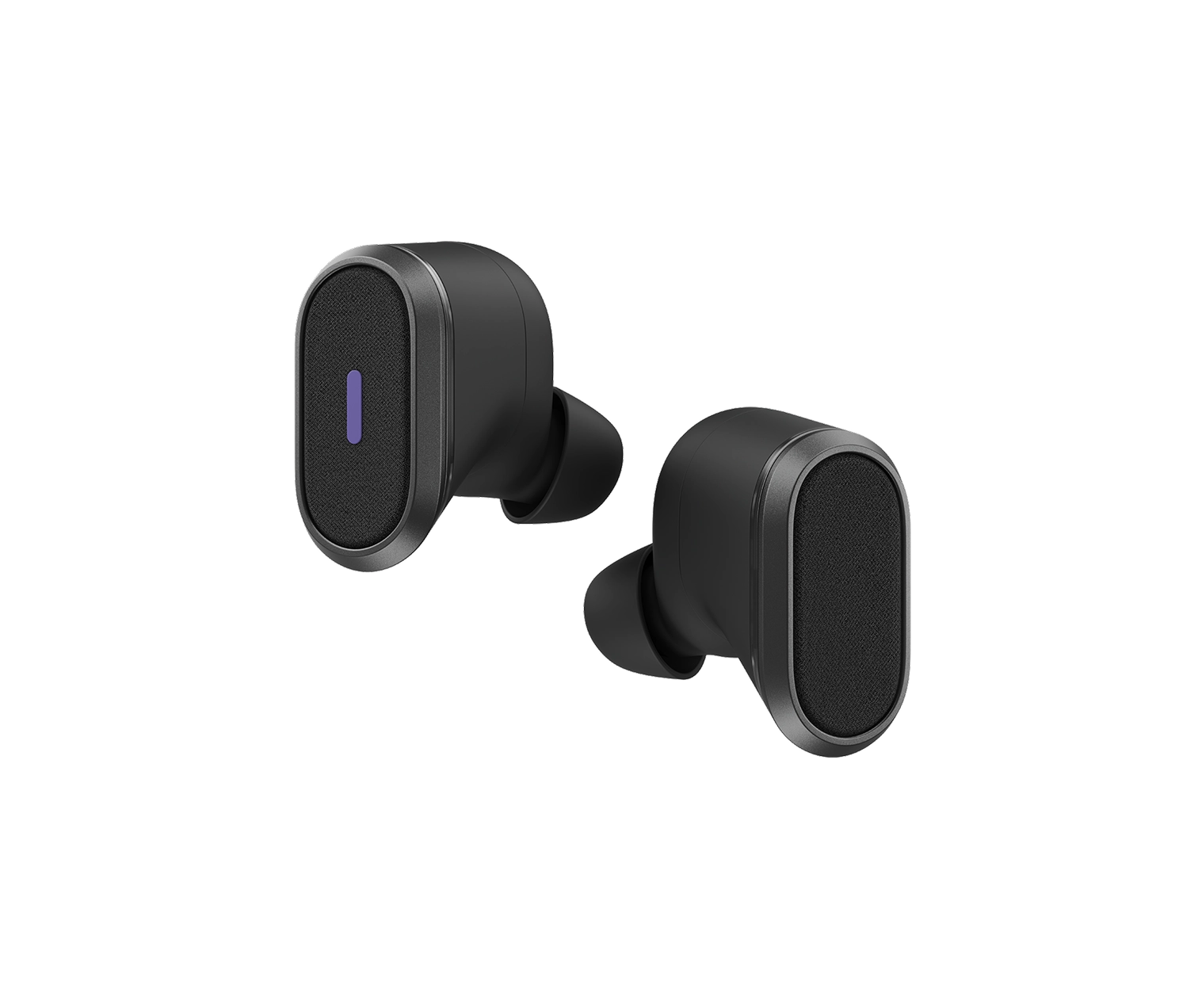
3.Logitech Zone True Wireless
Pros
- A USB receiver in the box, so a work laptop connects without pairing
- Certified by Teams, Zoom and Google Meet, which the other four are not
- An inward-facing microphone as well as two outward, for call clarity
- 12 mm drivers despite being built around the microphone
Cons
- 6.5 g each, the heaviest here, and it is a call headset before it is a listening one
- Logitech publishes no codec list, so what it does past SBC and AAC is unknown
Built around the microphone instead of the driver, which is an unusual priority and the right one if your day is meetings.
Logitech tunes the Zone True Wireless for voice: the beamforming array and the noise reduction aim at making you intelligible in a busy room, and not at making music sound large. Most earbuds treat calls as a secondary mode and it shows the moment somebody talks near you.
Switching is the other half. Moving between a laptop and a phone mid-call is where consumer earbuds stumble, and these handle it as a designed behaviour instead of a lucky one.
The sound is clean and controlled and it is not what you buy them for. They are also larger and dearer than the casual options here, which is the honest cost of that microphone array.
- Battery
- 6 h listening with ANC on, 10 h with it off. 5 h talk time with ANC
- Weight
- 6.5 g per earbud (13 g the pair), 46 g case
- Driver
- 12 mm
- Bluetooth
- 5.2, plus a USB receiver for a PC
- Microphones
- Omni-directional dual MEMS plus an inward-facing mic
- Certification
- Microsoft Teams, Zoom and Google Meet
Specifications as published by the manufacturer. Source
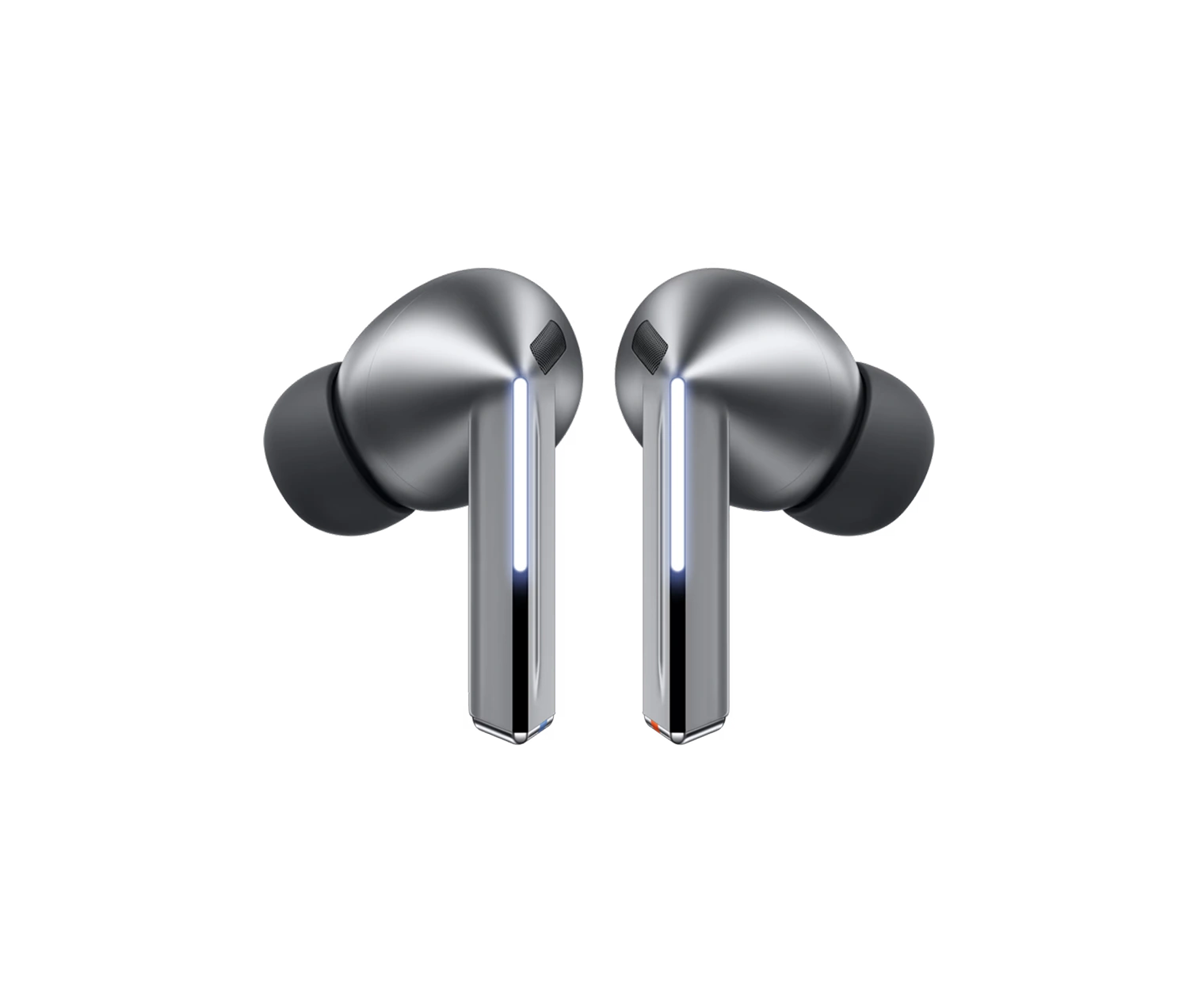
4.Samsung Galaxy Buds 3 Pro
Pros
- A genuine two-way driver: a 10.5 mm woofer with a 6.1 mm planar tweeter
- IP57, the highest water rating here
- SSC codec for 24-bit audio from a Galaxy phone
Cons
- SSC only works on Samsung devices, so on anything else it is AAC
- 26 hours with the case is the lowest total here bar the Logitech
The Android answer to the AirPods argument: inside Samsung's ecosystem the pairing and switching work the way Apple's do inside Apple's.
That integration is the reason to choose the Galaxy Buds 3 Pro over the Nothing at a similar price. On a Galaxy phone they connect instantly, hand off between devices and expose their settings natively. On anything else they are ordinary good earbuds.
Samsung tunes them slightly energetic, which suits podcasts and pop and flatters neither classical nor jazz. Cancellation is effective for daily use and the fit stays comfortable across long stretches.
Touch controls respond without firing at every accidental brush, which sounds like a low bar and is one plenty of earbuds fail.
- Battery
- 6 h with ANC on, 7 h with it off
- Weight
- 5.4 g per earbud
- Driver
- Two-way: 10.5 mm woofer and a 6.1 mm planar tweeter
- Bluetooth
- 5.4, with SBC, AAC and SSC
- With case
- 26 h with ANC on, 30 h with it off
- Rating
- IP57
Specifications as published by the manufacturer. Source
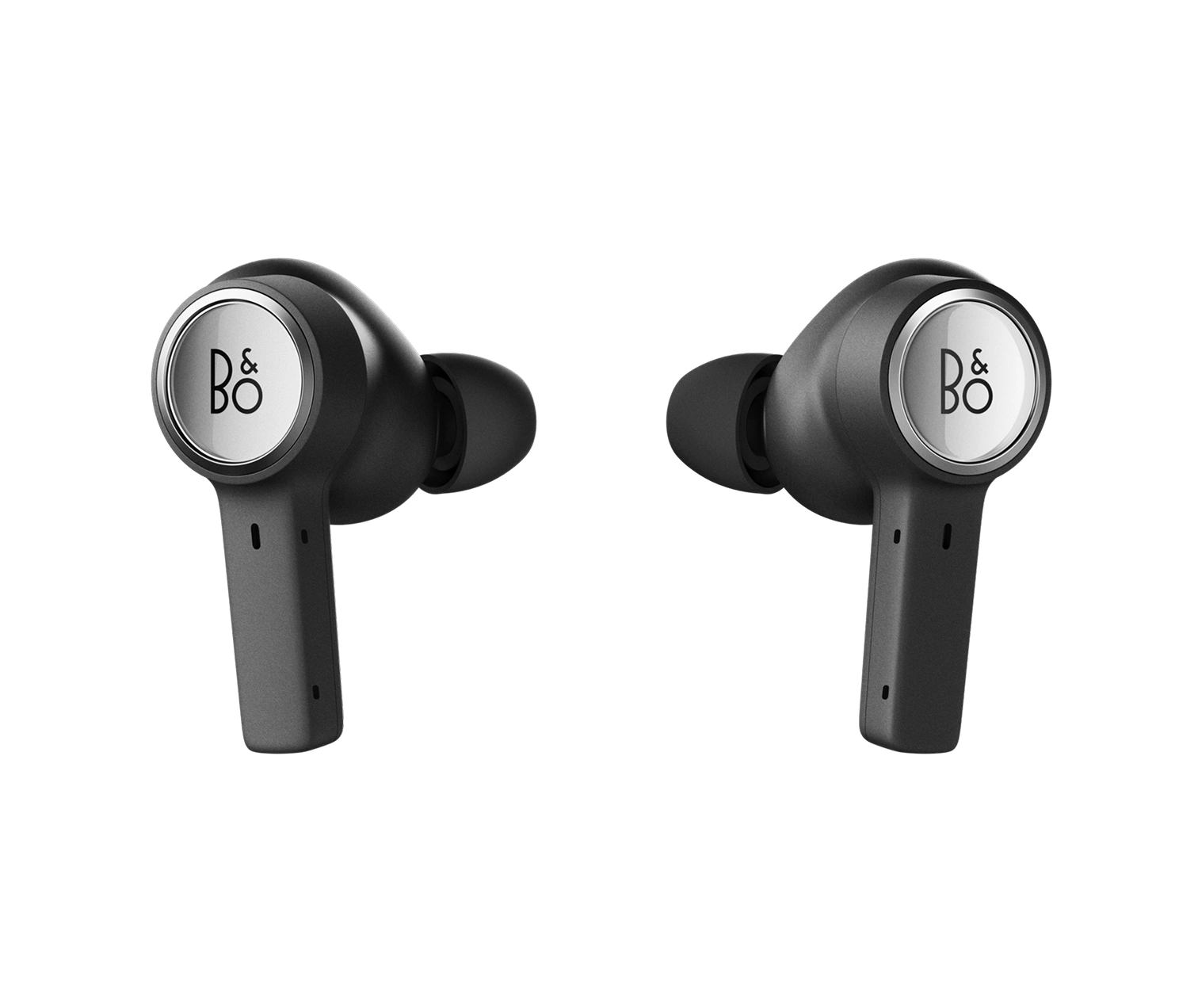
5.Bang & Olufsen Beoplay 11
Pros
- aptX Adaptive, the only one here that works at high quality on both Android and a PC
- 20 minutes on charge returns about 1 hour 45 of playback
- Aluminium case rather than plastic, at three times the price of the Nothing
Cons
- 9.2 mm drivers, the smallest here, on the most expensive pick
- Bluetooth 5.2 and 20 hours total with the case, both the weakest numbers on this page
Nearly three times the price of anything else here, and the money went into materials and tuning instead of a longer specification list.
Bang & Olufsen builds the Beoplay 11 as an object first: the case and the buds carry the finish of a watch, in metal that stays cool and does not scuff into greyness. That is not a performance argument, and it is what the price buys.
The sound reaches a detail and a width cheaper earbuds do not, and the cancellation aims at natural instead of aggressive, which suits long listening and gives up some depth on a train.
These are indulgent and they do not pretend otherwise. If sound quality and finish are what you care about and the budget exists, nothing else on this page is competing.
- Battery
- 6 h with ANC on, 8 h with it off
- Weight
- 6 g per earbud, 53 g case
- Driver
- 9.2 mm electro-dynamic neodymium
- Bluetooth
- 5.2, with SBC, AAC and aptX Adaptive
- With case
- 20 h with ANC on, 28 h with it off
- Fast charge
- 20 minutes for about 1.75 hours
Specifications as published by the manufacturer. Source
What to look for in wireless earbuds
The seal decides almost everything
An earbud makes bass by sealing your ear canal and pressurising it. Break the seal and the low end vanishes, cancellation stops working and the fit goes loose all at once. This is why one pair sounds different on two people, and why working through every tip in the box is the highest-value ten minutes you will spend on them. If none of the supplied tips seal, third-party foam ones usually will.
Cancellation needs that seal to do anything
Active cancellation deals with steady low-frequency sound: engine drone, air conditioning, the rumble of a train. It does very little about speech, which is irregular and high enough in frequency that the physical seal blocks more of it than the electronics do. A pair that seals badly will cancel badly however good the processing is.
Battery is two numbers and the small one matters
Every listing leads with the case figure, because 30 hours reads better than 5. The number you live with is the per-charge one, since that is how long you can wear them before going back to the case. Cancellation costs roughly a fifth: Apple publishes 5 hours for AirPods 4 and 4 hours with cancellation running.
Ecosystem is worth paying for and hard to leave
Instant pairing, automatic handoff and settings that appear in the operating system are worth more day to day than a driver upgrade. They are also mostly exclusive. AirPods do this properly on Apple hardware and Galaxy Buds on Samsung; outside their home ecosystem both become ordinary Bluetooth earbuds, which is worth knowing before paying for the integration.
Which of the five
So: balanced sound at the price, the Nothing. An Apple household, the AirPods 4, and check which model. Meetings all day, the Logitech. A Galaxy phone, the Samsung. And the Beoplay if the object matters as much as the output.
Earbuds are one item in a pocket full of decisions like this. The rest are in pocket-sized everyday carry.
All 5 compared
Nothing Ear (3)Tuned balanced in a category that tunes for the first thirty seconds- Battery
- 5.5 h
- Weight
- 5.2 g
- Driver
- 12 mm
Apple Airpods 4H2 handoff across every Apple device, in two models- Battery
- 4 h
- Weight
- 4.3 g
- Driver
- –
Logitech Zone True Wireless EarbudsTuned for the microphone rather than the driver- Battery
- 6 h
- Weight
- 6.5 g
- Driver
- 12 mm
Samsung Galaxy Buds 3 ProThe same ecosystem advantage AirPods have, on the other side- Battery
- 6 h
- Weight
- 5.4 g
- Driver
- 10.5 + 6.1 mm
Bang & Olufsen Beoplay 11Three times the price, spent on materials and tuning- Battery
- 6 h
- Weight
- 6 g
- Driver
- 9.2 mm
Battery is the figure with noise cancelling switched on, which is how these are worn. Apple publishes no driver size for the AirPods 4, so that cell is empty; the other four name theirs.
How we chose
We chose these five on what each one is optimised for, because at this price nothing is best at everything and the honest question is which compromise suits your day. Apple publishes a full specification page and gets a panel. Nothing, Logitech, Samsung and Bang & Olufsen publish nothing our fetcher can read for these models, so four picks carry no panel and there is no comparison table.
Common questions
Almost always the tip. An earbud produces bass by sealing the ear canal and pressurising it, so a poor seal loses the low end, weakens noise cancellation and lets the bud work loose all at once. Ear canals differ enough that the tips fitted in the box suit maybe half of people. Try every size supplied, including a different size in each ear, and if none seals then foam tips from another maker usually will.
Only one of the two models does. Apple sells a base AirPods 4 with no active cancellation and a more expensive version with it, and the specifications differ: 5 hours a charge and 30 with the case on the base, 4 and 20 on the ANC model, which also adds wireless charging. Listings frequently blur the two, so check which one is in the basket.
Barely. Active cancellation works by generating the inverse of incoming sound, which it does well for steady low-frequency noise like engine drone and air conditioning and poorly for speech, which is irregular and higher pitched. Most of what blocks a conversation is the physical seal of the tip rather than the electronics, which is another reason fit matters more than the processing.
Four to six hours a charge is the current normal, with the case carrying another four or five refills. The case figure is the one every listing leads with because it is the larger number, and the per-charge figure is the one that decides whether they last a flight or a working morning. Cancellation costs roughly a fifth of the runtime.
They work and you lose what you paid for. Instant pairing, automatic handoff between devices, native settings and firmware updates all live inside the maker's own ecosystem. Outside it both become competent ordinary Bluetooth earbuds, which is fine if the sound suits you and poor value if the integration was the reason for choosing them.
About the author

Justin Farrugia
Founder & Editor of Curated Supply
Justin Farrugia is the founder and editor of Curated Supply, a design-led directory to things worth owning. He has personally curated over 1,000 products across workspace, carry, coffee, audio, and the home, each judged against one standard: design intent, material quality, and the restraint that lets a thing last.