Coffee table books that work on any surface
Five coffee table books that suit any surface, from the Taschen Ferrari and NASA editions to Phaidon's Art Book, Porsche 911, and Monocle's Good Business guide.
Updated
A book that works on any surface has to survive the move between them, and most large-format books do not. Anything above about four kilos stays where it was first put down, because relocating it is a decision. Anything with a slipcase stays in the slipcase, and nobody handles it again.
The five here range from a $35 hardback to a Taschen edition that costs four times that, and what they share is portability in the domestic sense: each one can go from a coffee table to a sideboard to a desk without becoming a project. We have already written about the coffee table books every home should have, which is the more canonical list. This is the one about living with them.
1.Taschen Ferrari
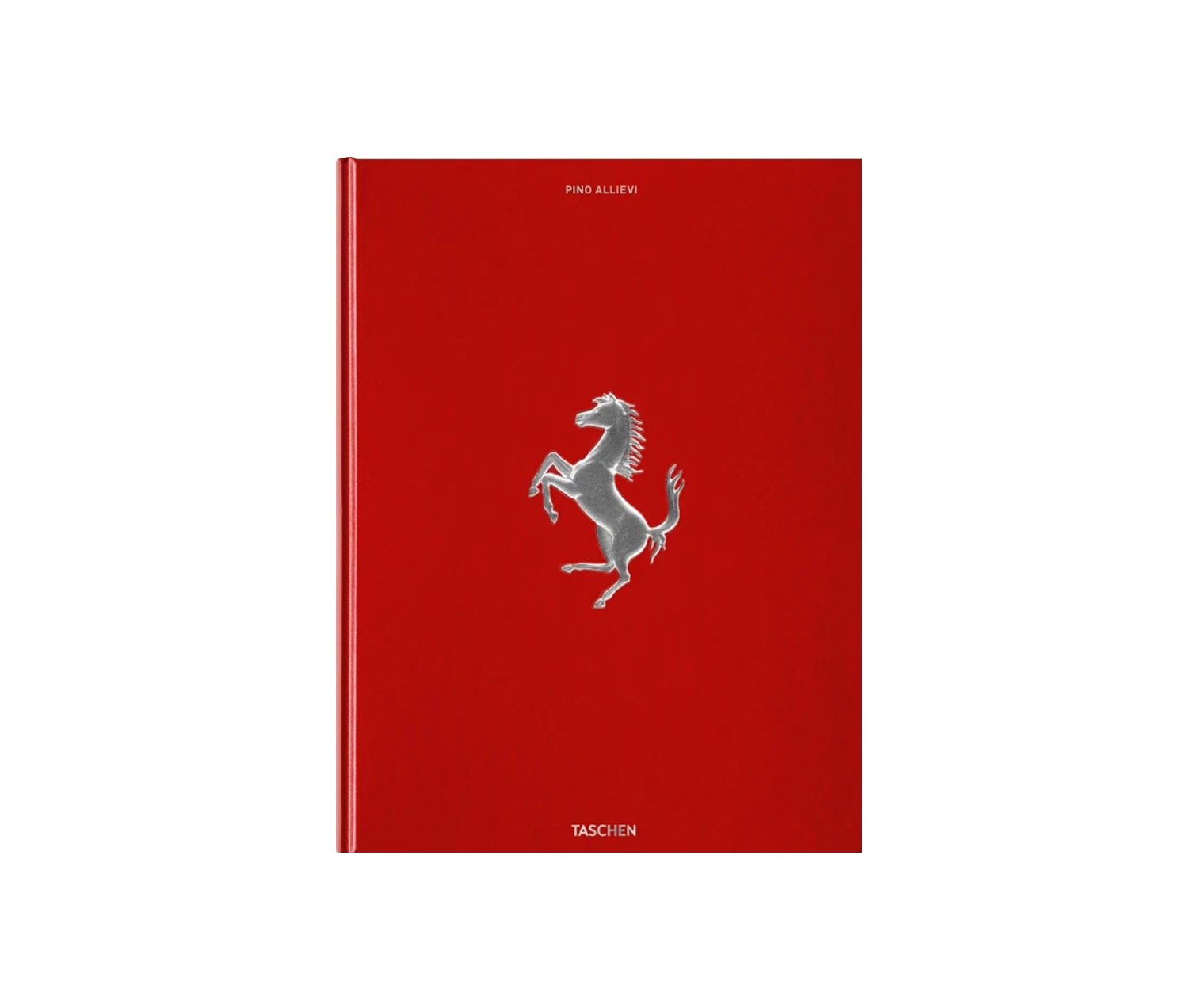
It treats Ferrari as an industrial design archive and not as a fan object, which is the version worth owning.
Most marque books are photography with captions and a chronology. This one organises around form and material instead: how a shape arrived, what the constraint was, what got tried and rejected. That is a different kind of book and it survives repeat opening because there is something to read.
Taschen produce it at a scale and paper weight that make it the heaviest thing on this page, which is the honest limitation. It moves between surfaces, but you notice moving it.
Red and black on a shelf reads as loud, and it is the object here that most obviously belongs to somebody with an interest.
2.Phaidon The Art Book
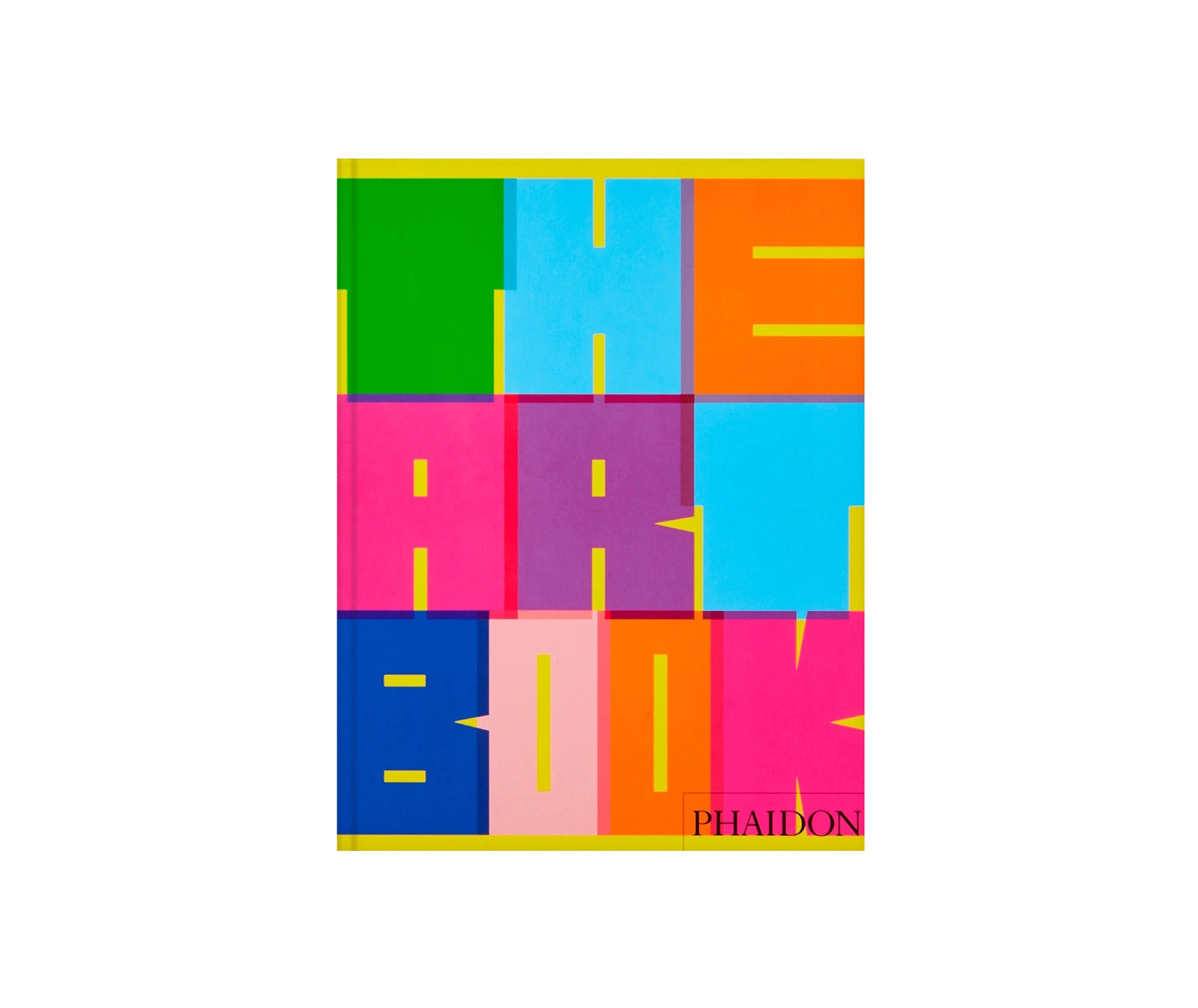
One artist per page, alphabetically, which means it opens usefully anywhere and there is no thread to lose.
The A-to-Z structure is the design decision that makes this work in a living room. A chronological survey wants reading; an alphabetical one puts Bacon next to Balthus and Basquiat, and the juxtapositions do the work an essay would have done.
Phaidon keeps The Art Book at a size somebody can hold, which is rarer in art publishing than it should be, and it is why this ends up being the one guests actually pick up.
It also balances a shelf. Next to the Ferrari or the NASA volume it is the quiet object, and a stack needs one.
3.Taschen The NASA Archives
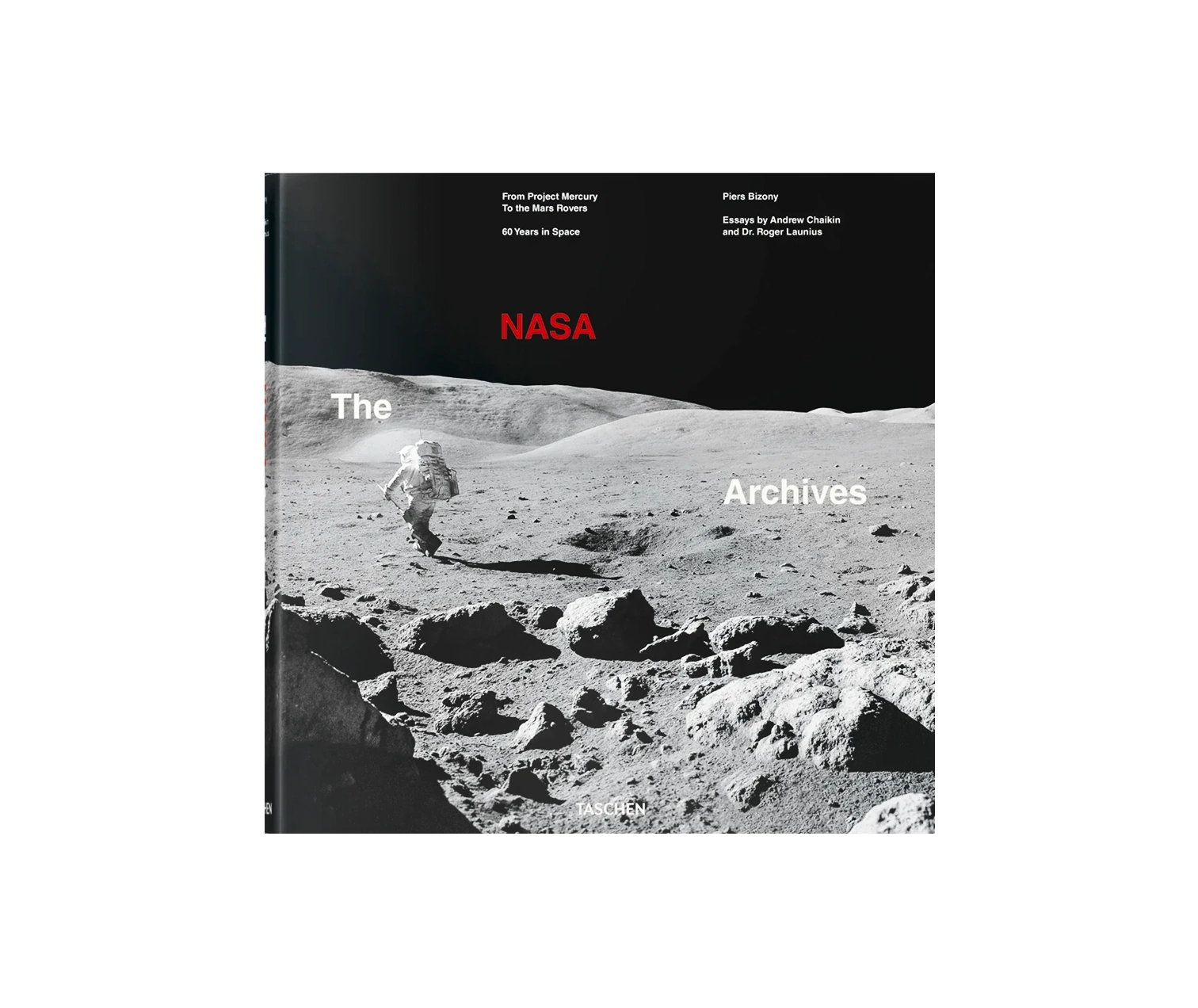
Sixty years of an organisation that photographed everything it did because it had to.
That is the reason this archive is so deep. NASA documented tests, failures and hardware as engineering record and not as publicity, so the images are unusually unposed for a book at this level, and Taschen printed a great many of them for the first time.
The NASA Archives suits calm rooms, stone and dark wood and neutral walls, because the palette inside is mostly white hardware against black. It reads as texture from across a room.
Same weight caveat as the Ferrari. This is a two-hand book.
4.TeNeues The Porsche 911 Book
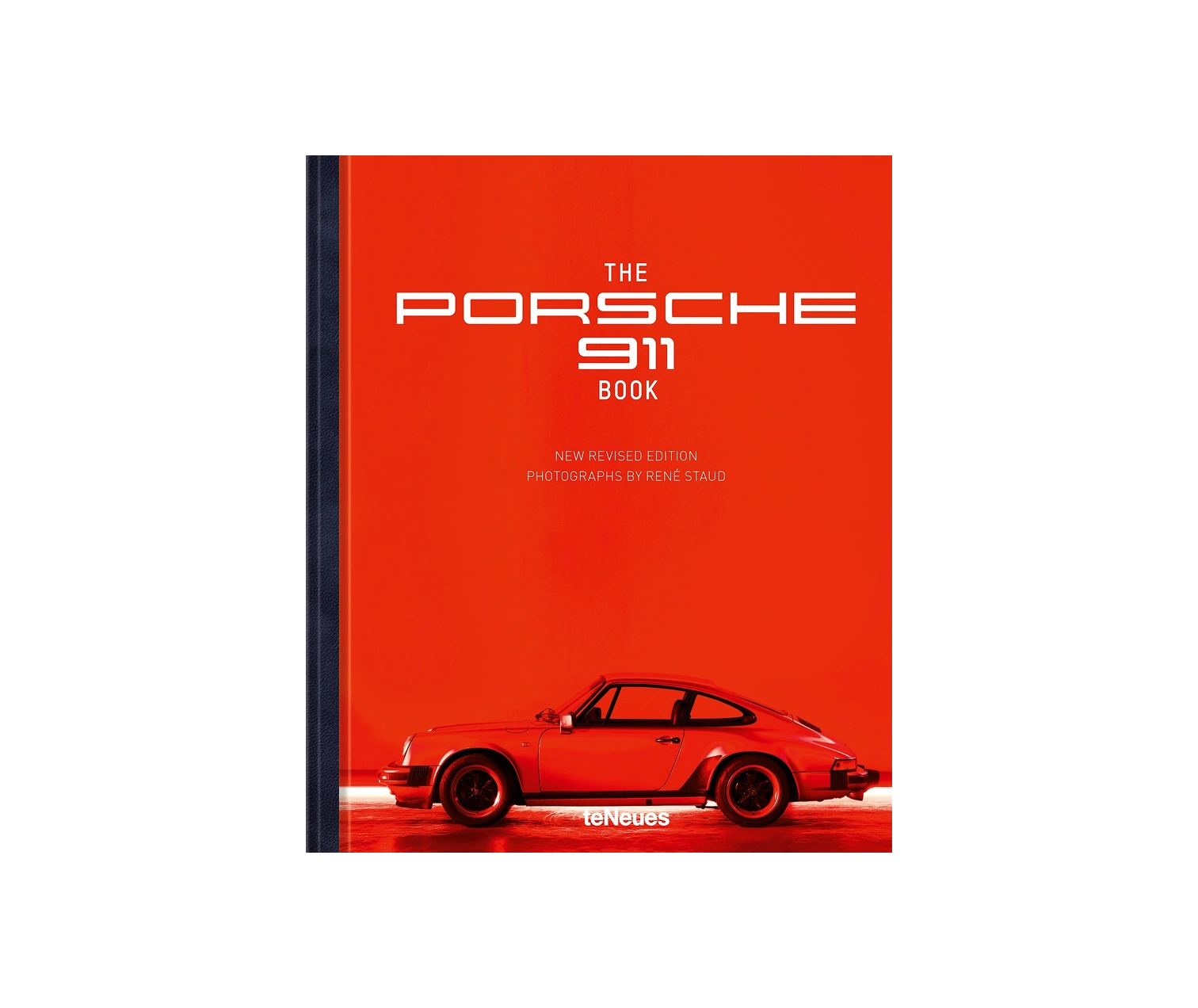
The lightest book on this page and the easiest to actually move, which is the whole brief.
After two Taschen volumes this is a relief: TeNeues makes The Porsche 911 Book in a format one hand can lift off a table, which means it circulates around a flat instead of anchoring one surface.
The red cover gives it presence in a stack without dominating, and it is thin enough to sit under something heavier without being forgotten.
It costs a fraction of the Taschens, which is a useful reminder that a coffee table book need not be huge to be worth owning.
5.Gestalten The Monocle Guide to Good Business
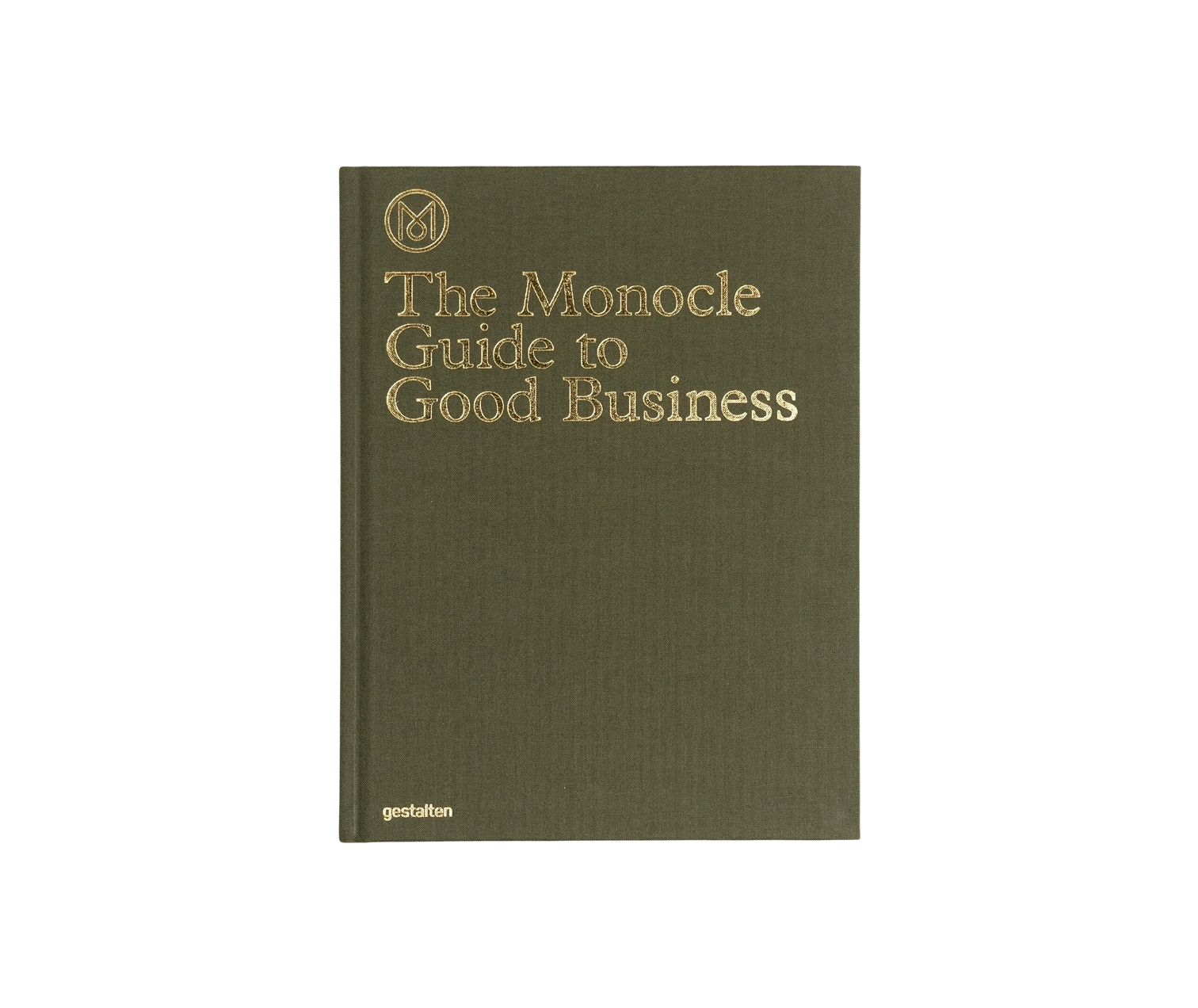
A fabric cover, which is the detail that decides how a book ages on a table.
Paper-over-board scuffs at the corners and shows every ring from a glass. Cloth binding takes the same handling and softens rather than damaging, so a fabric-bound book looks better after two years of moving around a room. Gestalten uses muted green with gold blocking on the Monocle Guide.
The contents reflect where a business book would instruct, which matches how it behaves physically: something you open for ten minutes and put down without needing to resume.
Suits a room where work and living overlap, which is now most rooms.
How to choose one that stays useful
Weight decides where a book lives. Under about two kilos it circulates. Above four it anchors one surface permanently and turns into furniture. Both are legitimate, and a room wants at most one anchor.
Structure decides whether it gets opened twice. Books built from self-contained spreads, an artist a page or an object a page, survive a reader entering them at random. Books with a running argument want reading, and they get read once.
Binding decides how it ages. Cloth softens with handling, paper-over-board scuffs at the corners, and a slipcase almost guarantees nobody picks the book up again, because putting it back is a chore.
The reference version of this shelf is in design books every creative needs.
How we chose
We chose these five on whether a book survives being moved, which is what separates one that works on any surface from one that anchors a single table. Publishers do not issue specification sheets, so no pick carries a panel and there is no comparison table.
About the author

Justin Farrugia
Founder & Editor of Curated Supply
Justin Farrugia is the founder and editor of Curated Supply, a design-led directory to things worth owning. He has personally curated over 1,000 products across workspace, carry, coffee, audio, and the home, each judged against one standard: design intent, material quality, and the restraint that lets a thing last.