About
A bathroom scale that reports 25 numbers sounds like a scale that is guessing at 24 of them. This one is guessing less than most, because it asks the same question twice at two different frequencies.
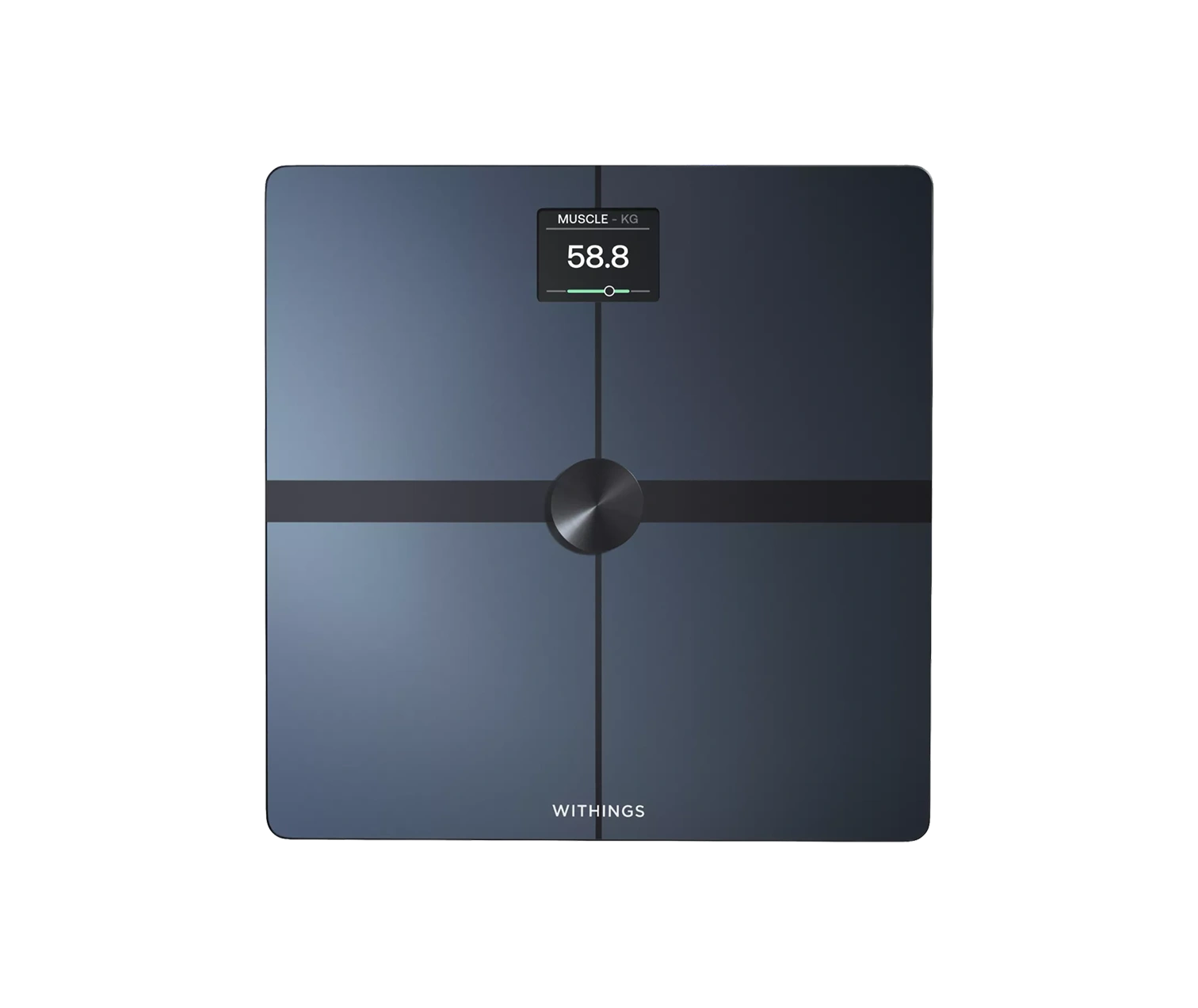
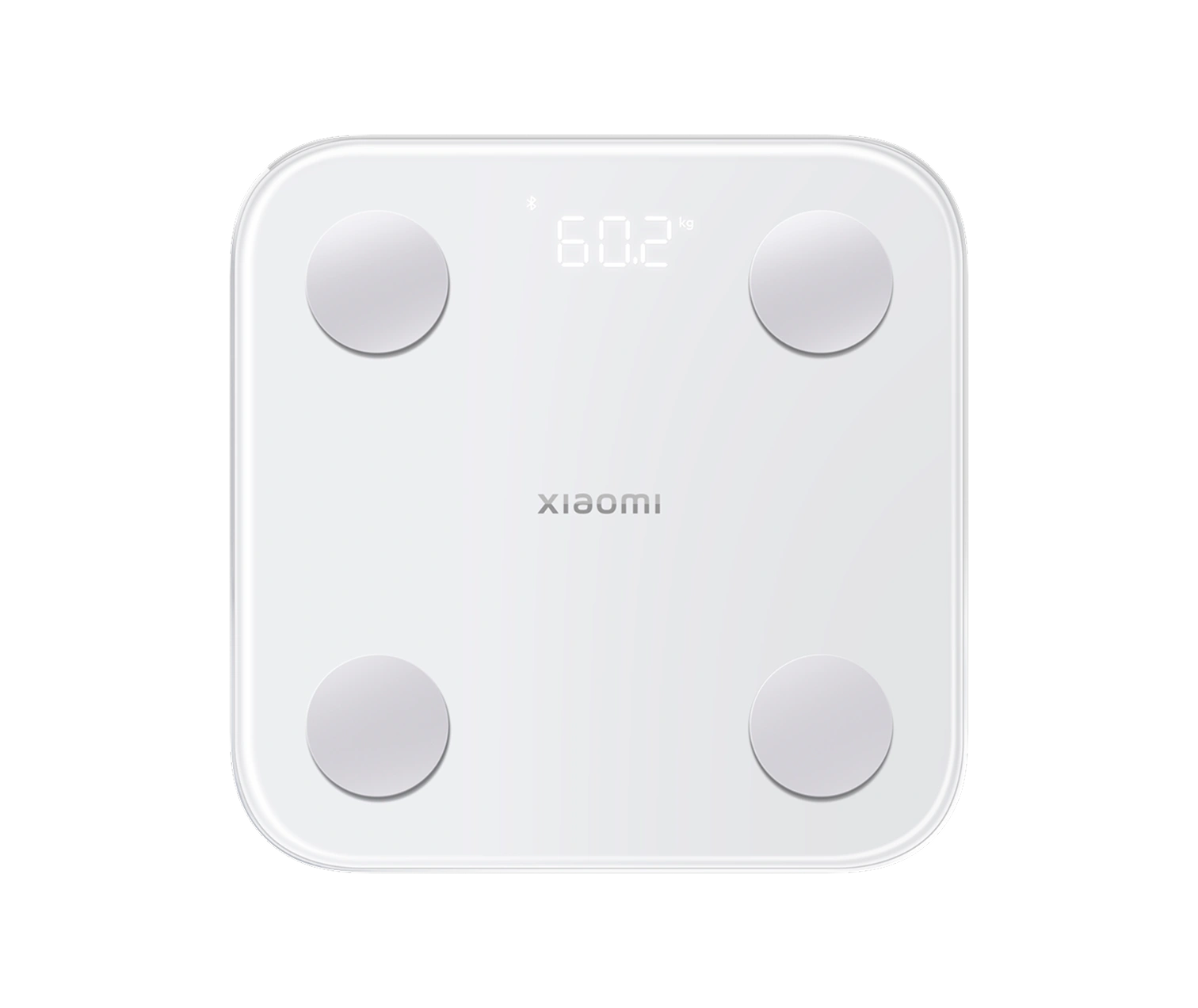
Every body fat scale works on the same principle: fat, muscle and water resist a small electrical current by different amounts, so the resistance can be turned back into a body composition estimate. A single low frequency will not cross a cell membrane. It reads blood and tissue fluid and stops there. Xiaomi's Body Composition Scale S400 sends current through the feet at both 50 kHz and 250 kHz, and the higher pass goes through the membrane to the fluid held inside muscle, fat, bone and organs, which is what separates the water inside the cells from the water around them. The two readings together produce the report: fat mass, protein, bone mineral content, visceral fat rate, skeletal muscle, basal metabolic rate and the rest. Beijing Sport University ran the scale against DEXA, the X-ray scan hospitals treat as the reference method, and put the correlation for fat mass at 0.93 or better.
The electrode pad under each foot is 58 millimetres across, wide enough that a reading does not depend on standing precisely. Weight resolves to 0.1 kilograms, anywhere from 0.1 up to 150. Body fat, heart rate and battery level appear on the glass without opening anything, and the scale takes a resting heart rate straight after the composition pass. The one thing worth knowing before you buy: it pairs with the Mi Home app and not Mi Fitness, and it will hold profiles for up to 36 people, which is more household than most households have.
- Designed in
- China

- Materials
- Shell
- Reinforced glass and engineering plastic
- Dimensions
- 300 x 300 x 24.55 mm
- Weight
- 1.45 kg
- Battery
- 3 x AAA, up to 180 days
- Range
- 0.1 to 150 kg, 0.1 kg resolution
- Display
- Body fat, heart rate, battery level
Figures as published by the manufacturer. Source