Staff Pick
About
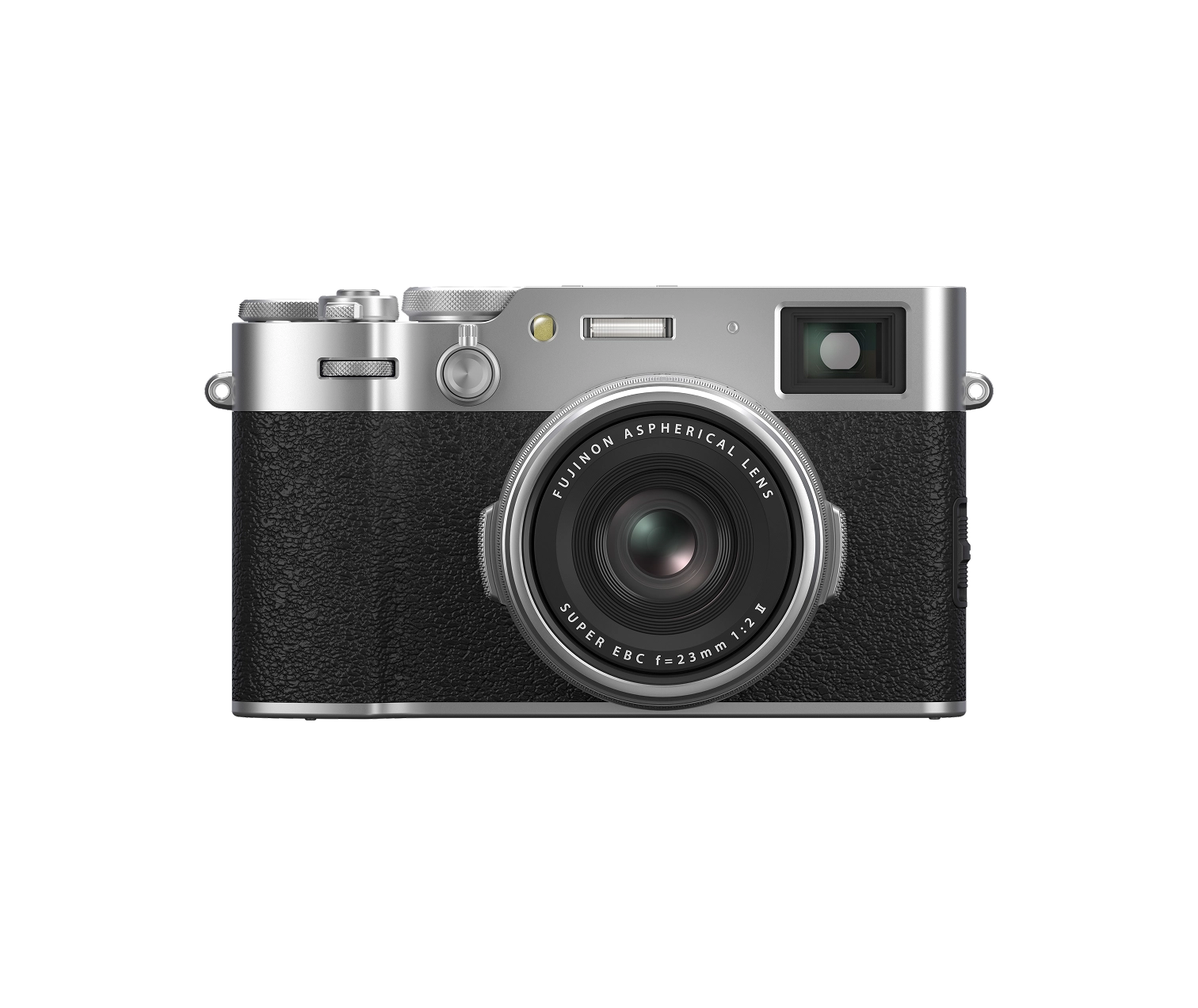
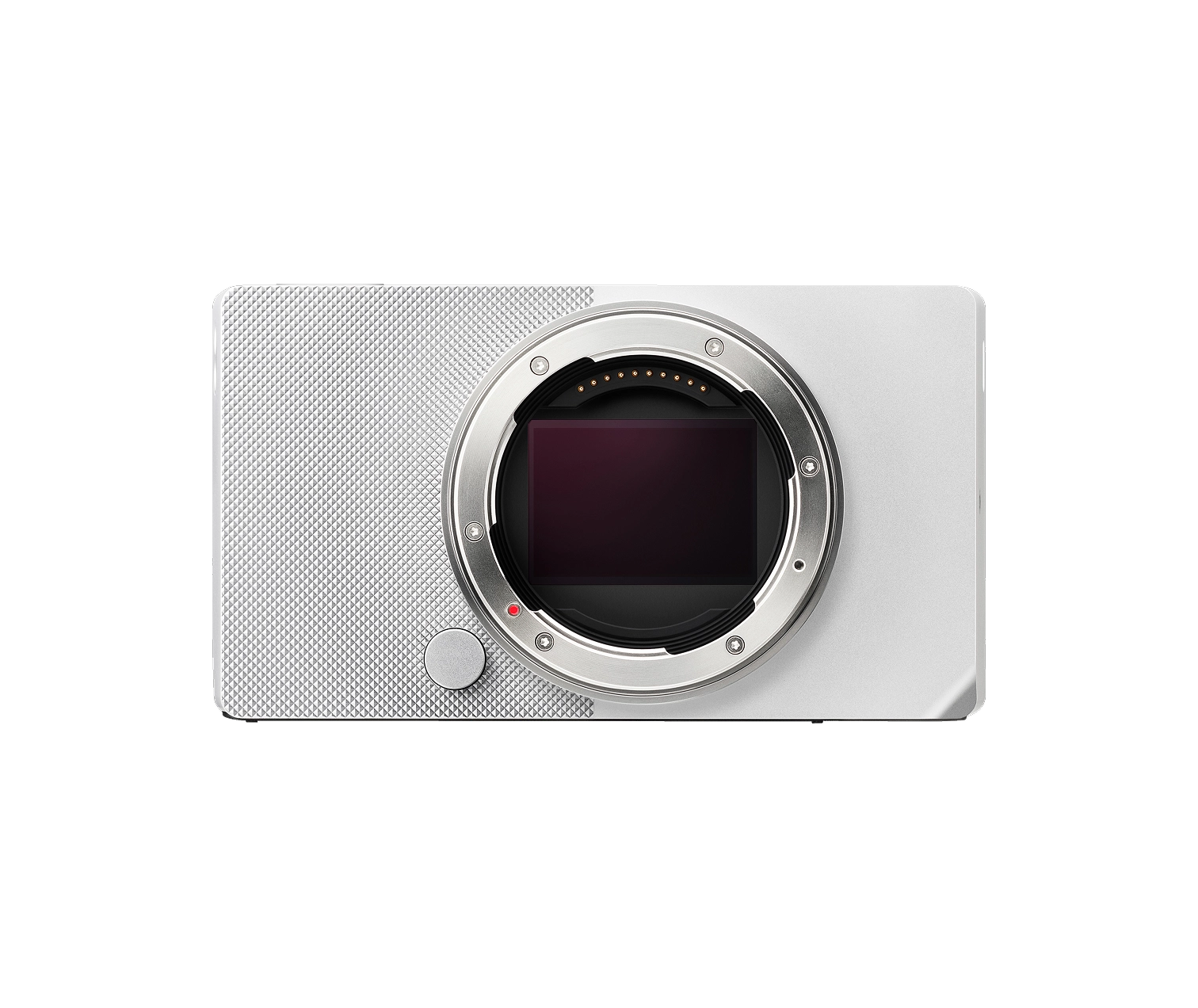
Most camera bodies are assemblies: a frame, then plates and covers screwed around it, which is why an old one creaks when you grip it hard. The Sigma BF is not assembled. It is removed.
The BF starts as a solid ingot of aluminium on a milling machine and comes off about seven hours later as one uninterrupted piece of metal, grip, lens mount and shell together, sealed against dust and splashes. Nothing bolts on, so nothing works loose. That single-piece logic is also why the camera has no memory-card door. Storage is built in, 230 GB of it, room for roughly 14,000 JPEGs or 4,300 uncompressed RAW files, and everything leaves over USB-C rather than through a slot cut into the side.
The controls follow the same subtraction: three buttons and one dial, with no mode dial anywhere on the body. A small status monitor holds the five settings that actually change a picture, shutter speed, aperture, ISO, exposure compensation and colour mode, in view beside the frame. The buttons have no moving parts at all. They answer pressure with a haptic click, which Sigma says is a first for a mirrorless camera, and which means there is one less mechanism to fill with grit.
Behind that plain face is a 24.6 megapixel back-illuminated full-frame sensor and thirteen colour modes, running from Teal and Orange to a straight Monochrome. Every BF is milled and finished in Sigma's single factory in Aizu, so the seven hours are not a marketing figure from a contract line somewhere else: they are seven hours of one company's machine time, spent on a camera that ends up with fewer controls than most phones.
- Designed in
- Japan

- product designer
- Ichiro Iwasaki
- Material
- Aluminum unibody
- Display
- 3.15 inch TFT LCD, 2.1M dots
- Dimensions
- 130.1 x 72.8 x 36.8 mm
- Weight
- 446g with battery, 388g body only
- Storage
- 230GB internal memory
Figures as published by the manufacturer. Source