About
Most company histories are about products. This one argues that Braun's real output was a set of principles, and that the shavers and radios were only the evidence.
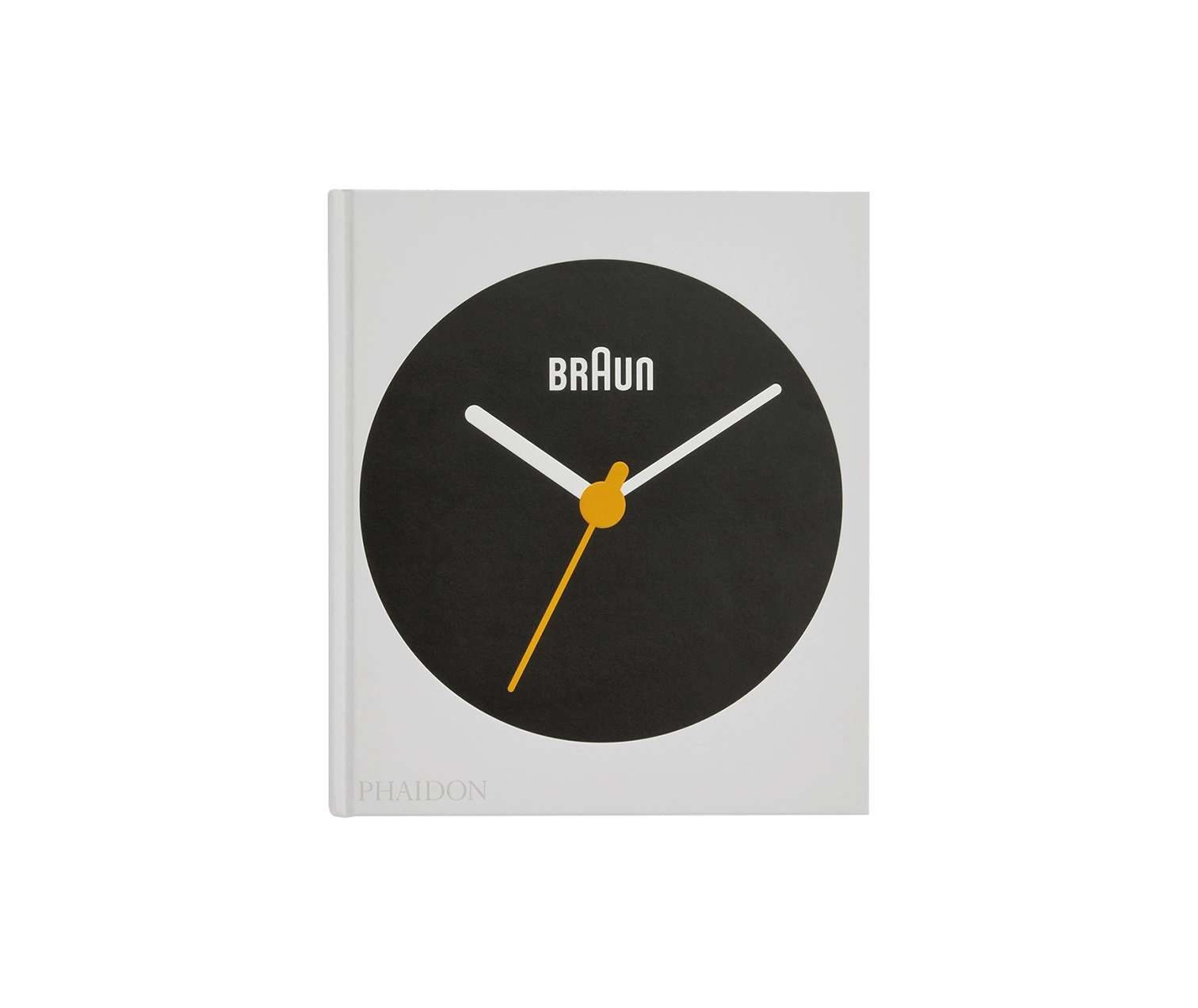
Braun: Designed to Keep is Klaus Klemp's history of the German electronics company, running to 424 pages and more than 500 images across three sections, published by Phaidon. Braun has been making household products since 1921, and Klemp's case is that what the company built over those decades was a design culture: functional and aesthetic rules held to long enough that they outlasted the people who wrote them. The three sections chart the defining moments, the core identities and the key characters in turn. Two picture sources run in parallel throughout. New photography of the best-known products sits alongside archival material, drawings, advertisements, internal documents and correspondence that had never been published before. The narrative text places the company inside the cultural and political history of Germany, so each object arrives with the decade that produced it rather than floating free on a white background.
Profiles of Braun's creative and leadership teams thread through all three sections, and that is where the book's recurring values, simplicity, usefulness and longevity, get attached to the individuals who argued for them. Klemp is professor of design theory and history at the HfG Offenbach and curator of design at the Museum Angewandte Kunst in Frankfurt am Main, where he was previously exhibition director and deputy director. He also wrote Phaidon's Dieter Rams: The Complete Works, which makes this the wider frame around that earlier book.
- Published in
- United Kingdom

- Author
- Klaus Klemp
- Publisher
- Phaidon
- Size
- 424 pages
- Dimensions
- 290 x 250 mm
- Body
- Hardback
Figures as published by the manufacturer. Source