About
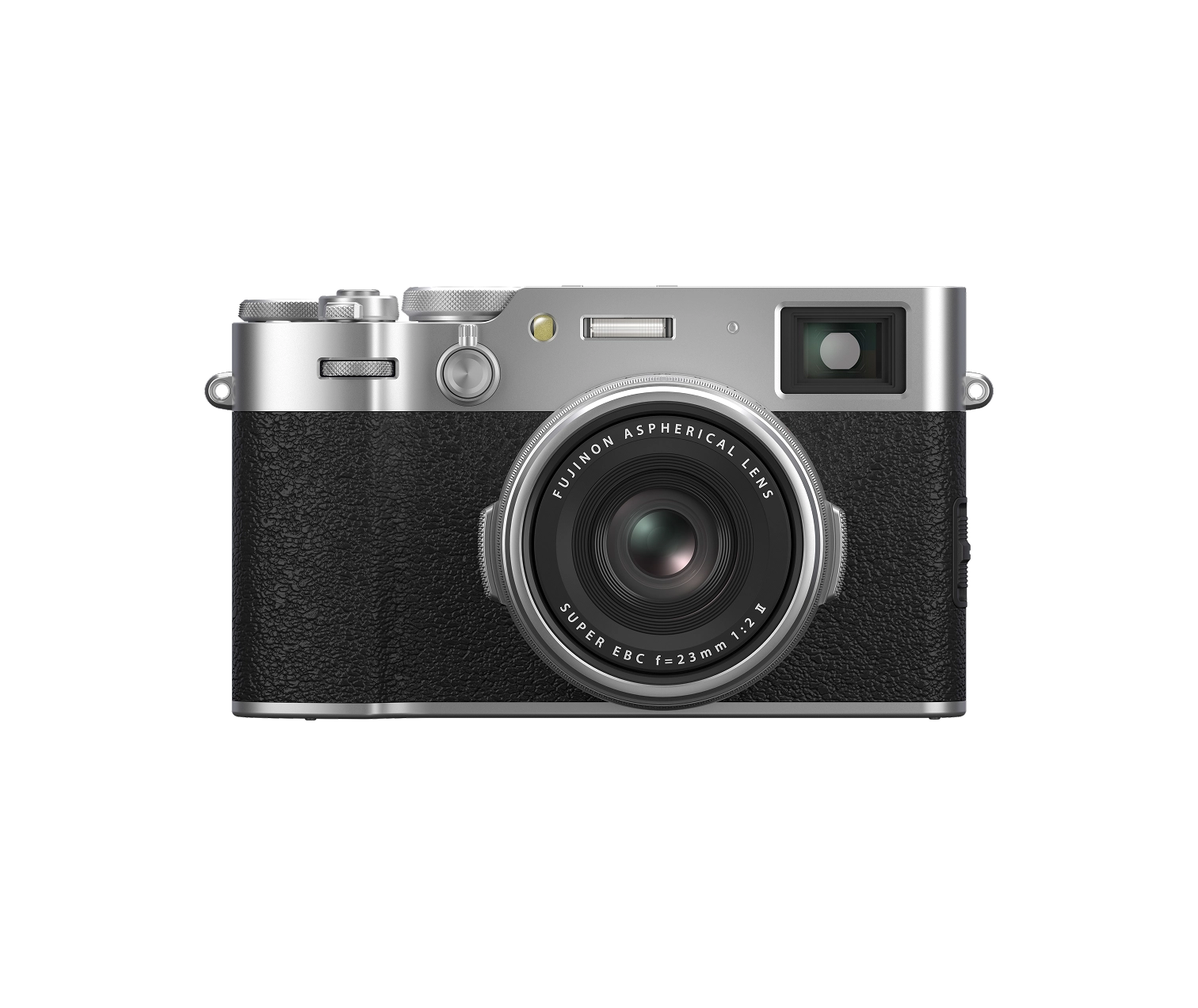
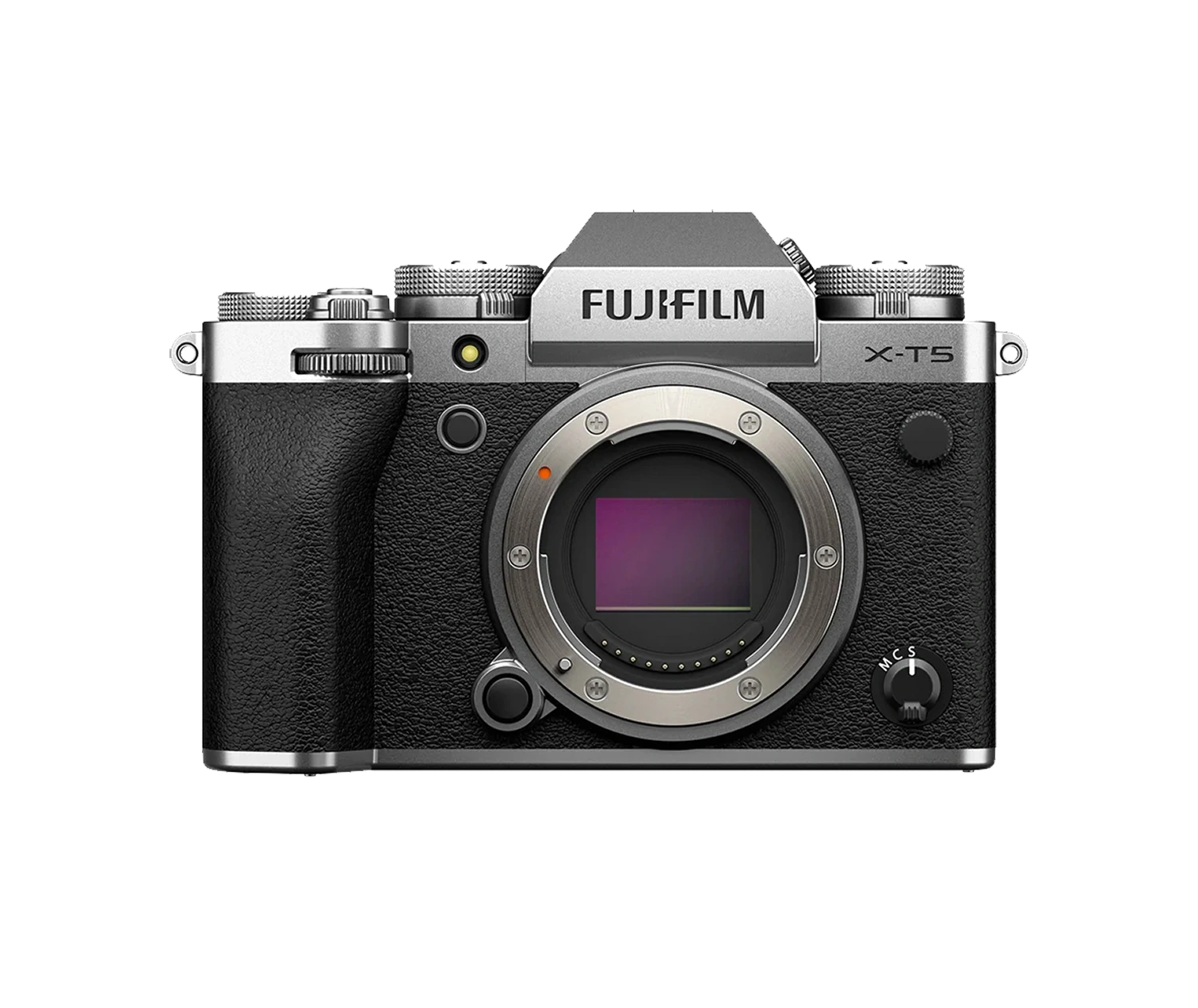
Most mirrorless cameras tell you nothing until you wake them up. The X-T5 has three mechanical dials across the top plate, for ISO, shutter speed and exposure compensation, so the settings it is holding can be read and changed with the power switch still off.
Fujifilm's X-T5 is a 40.2-megapixel mirrorless camera built around the X-Trans CMOS 5 HR sensor, and its five-axis in-body stabiliser is rated to 7.0 stops of compensation on its own. That mechanism then gets a second job. In Pixel Shift Multi-Shot mode the sensor nudges itself half a pixel between exposures and shoots twenty frames, so every red, green and blue photosite ends up with real colour information instead of an interpolated guess; Fujifilm's own software merges the set into a single 160-megapixel image. The same processor drives the electronic shutter to 1/180,000 of a second, roughly two and a half stops faster than earlier X Series bodies, which is what makes a wide aperture usable in bright light.
Autofocus runs on a deep-learning model trained by the X-Processor 5 to recognise and track animals, birds, cars, motorcycles, bicycles, aeroplanes and trains, not only faces and eyes. Choose a subject once and the camera keeps following it rather than waiting to be told again every time the frame shifts. Video tops out internally at 6.2K 30p in 10-bit colour, and for stills there are 19 Film Simulation modes reproducing specific Fujifilm colour and reversal stocks, Provia, Velvia and Eterna among them.
- Designed in
- Japan

- Weight
- 557 g (1.23 lb), body only
- Display
- 3.69m-dot EVF, 0.8x magnification
- Battery
- Approx. 740 shots per charge
- Water resistance
- 56 weather-sealed points; operates to -10°C
Figures as published by the manufacturer. Source