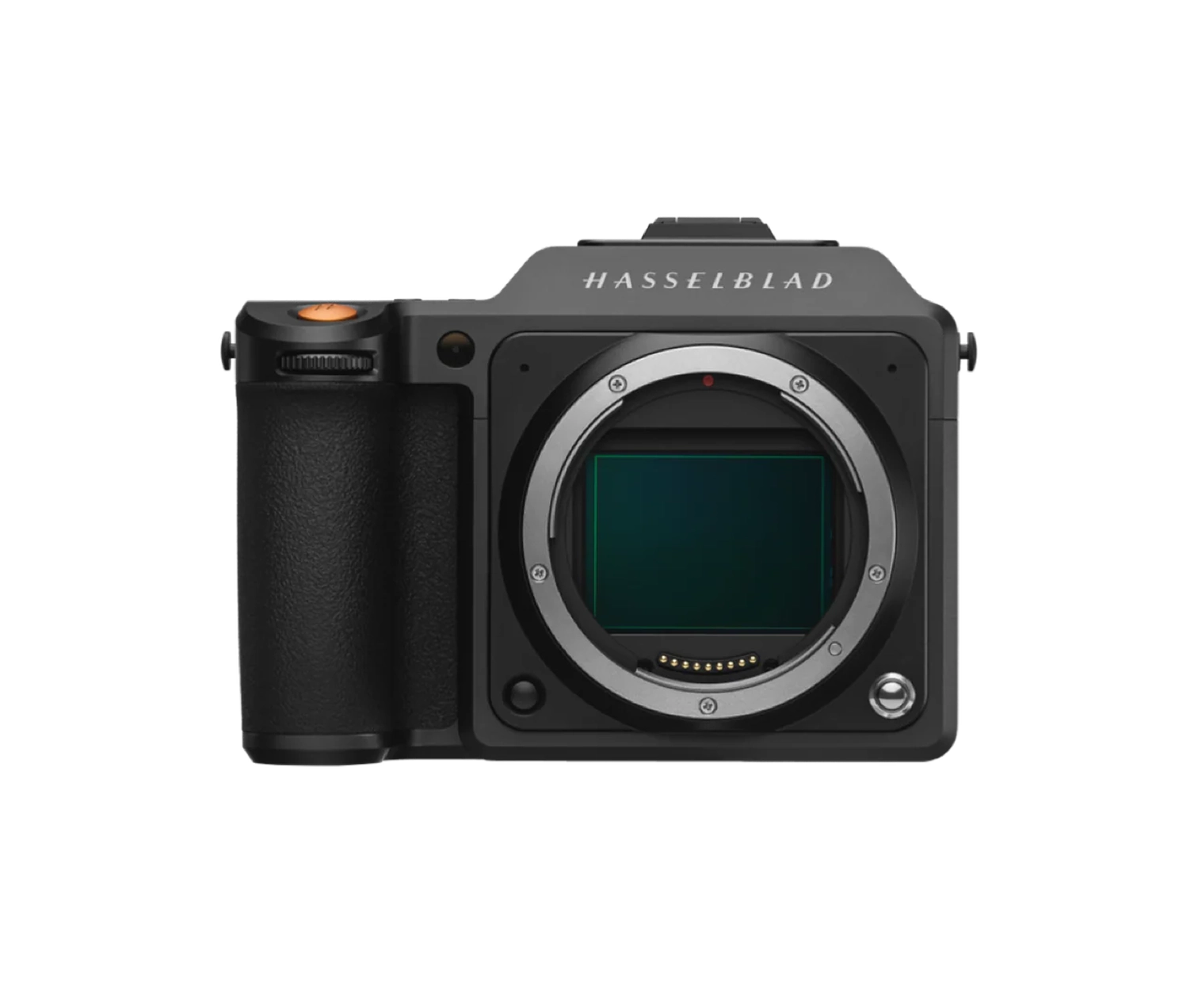
X2D 100C
$9,000
About
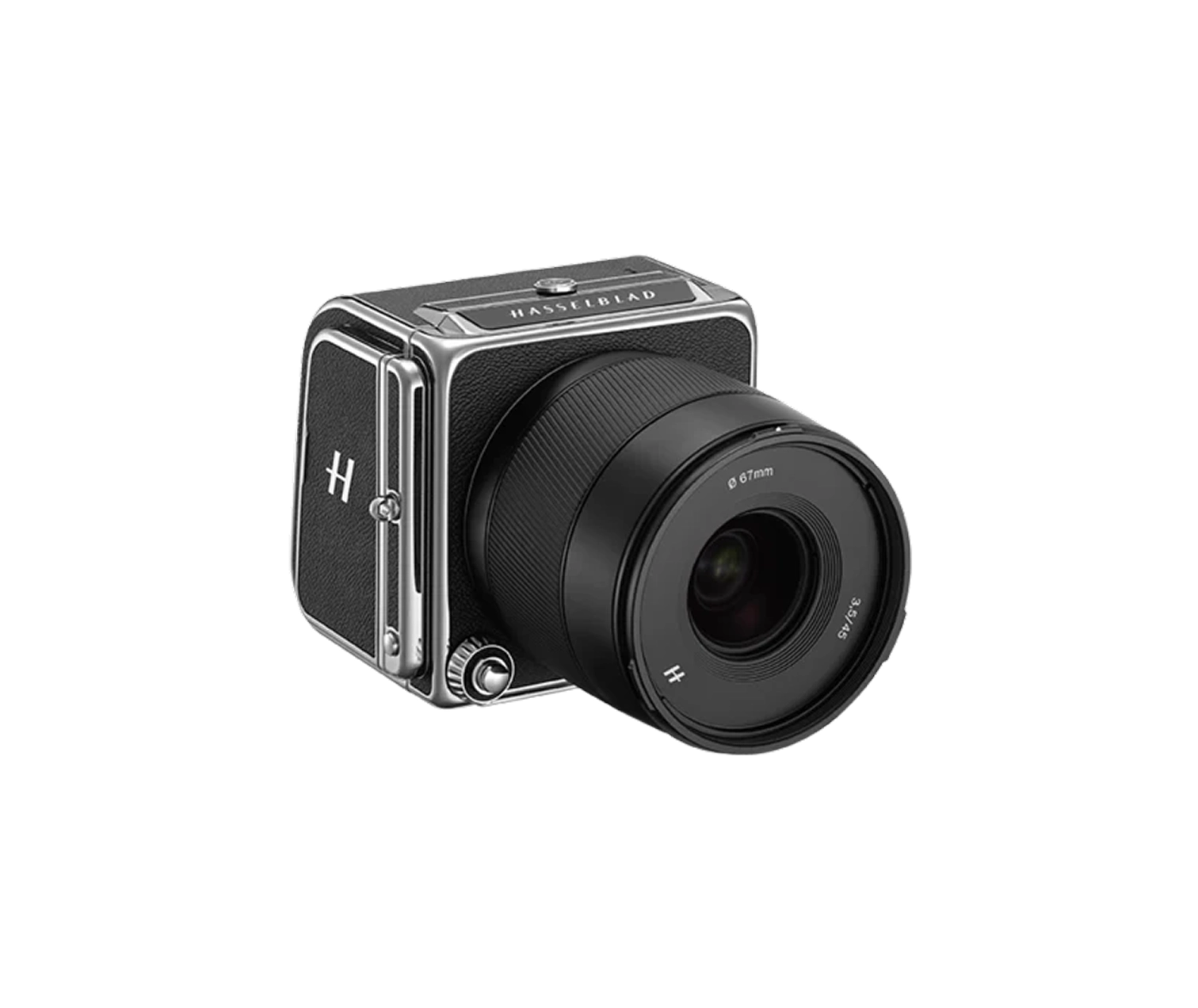
Nearly every camera you can buy has a removable card as its only memory, and a composite shell over a metal frame as its only body. The X2D 100C has neither. In both cases the reason is the same: a sensor this large makes the ordinary solutions awkward.
The Hasselblad X2D 100C is a mirrorless medium format camera built around a 100-megapixel sensor roughly 70 percent larger than a full-frame chip, housed in solid machined aluminium. That extra surface area is the whole argument for the format. More area collects more light per pixel, which is what lets the camera reach 15 stops of dynamic range and 16-bit colour, over 281 trillion possible values, from a native ISO of 64. Hasselblad's colour processing, the Natural Colour Solution, is tuned against this sensor specifically rather than adapted down from a smaller format, and it applies no preset look by default.
Stabilising a sensor of that size without adding bulk is its own engineering problem. Hasselblad's five-axis system, which it calls the most compact medium format IBIS on the market, detects movement down to a tenth of a pixel and corrects for up to 7.0 stops of it.
Then there is the storage, a first for a medium format camera. The built-in SSD writes at up to 2,370MB/s, fast enough to sustain continuous 16-bit RAW shooting rather than filling a buffer and stalling, with the card slot left to handle overflow. A coloured status display sits on the top plate, separate from the viewfinder and the rear screen, so settings can be read with the camera at your waist.
- Designed in
- Sweden

- Weight
- 790 g body only; 895 g with battery
- Display
- 5.76m-dot EVF, 1.0x magnification; 3.6in 2.36m-dot touchscreen
- Storage
- Built-in 1TB SSD plus CFexpress Type B slot (to 512GB)
- Body
- Machined solid aluminium
Figures as published by the manufacturer. Source