About
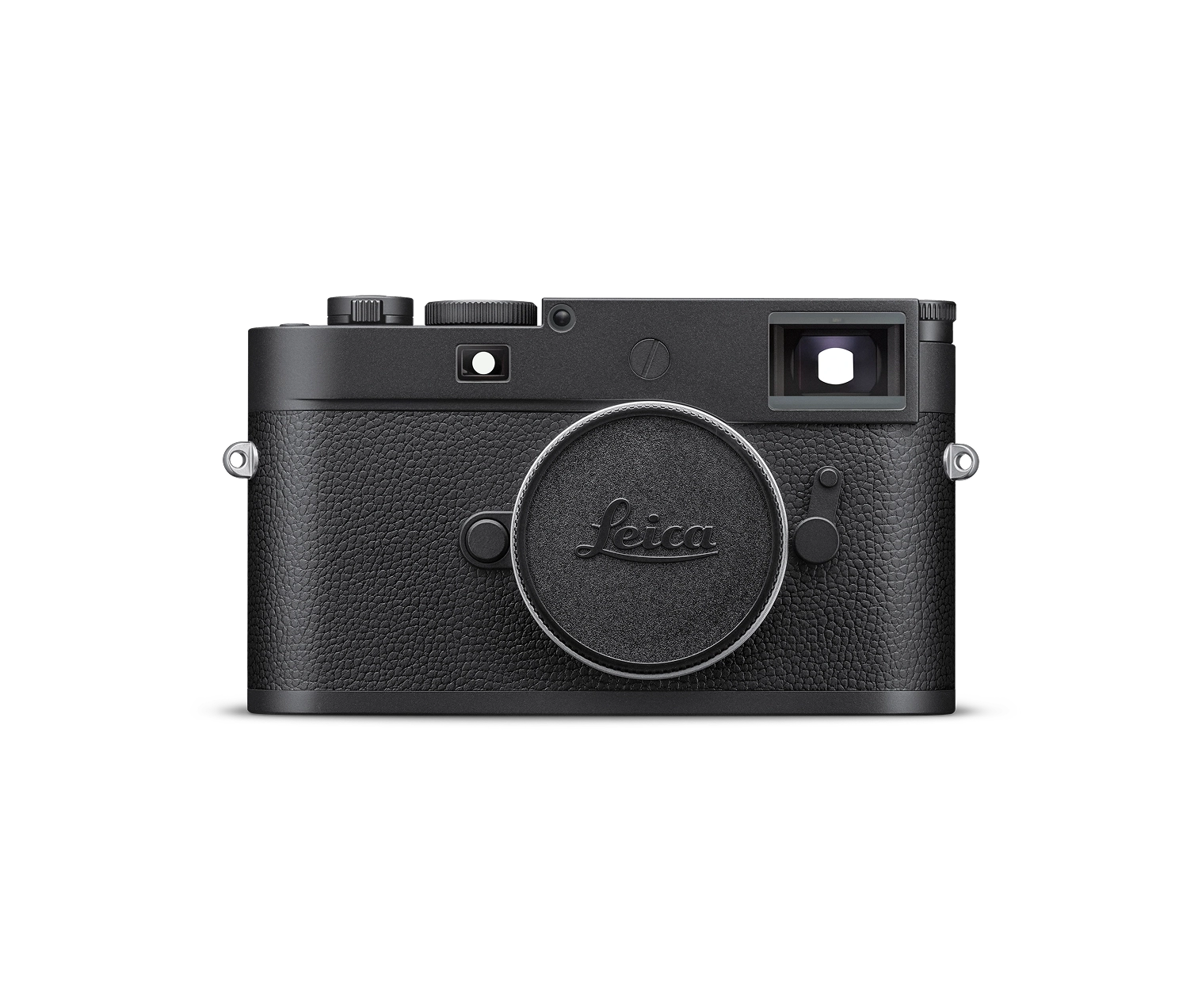
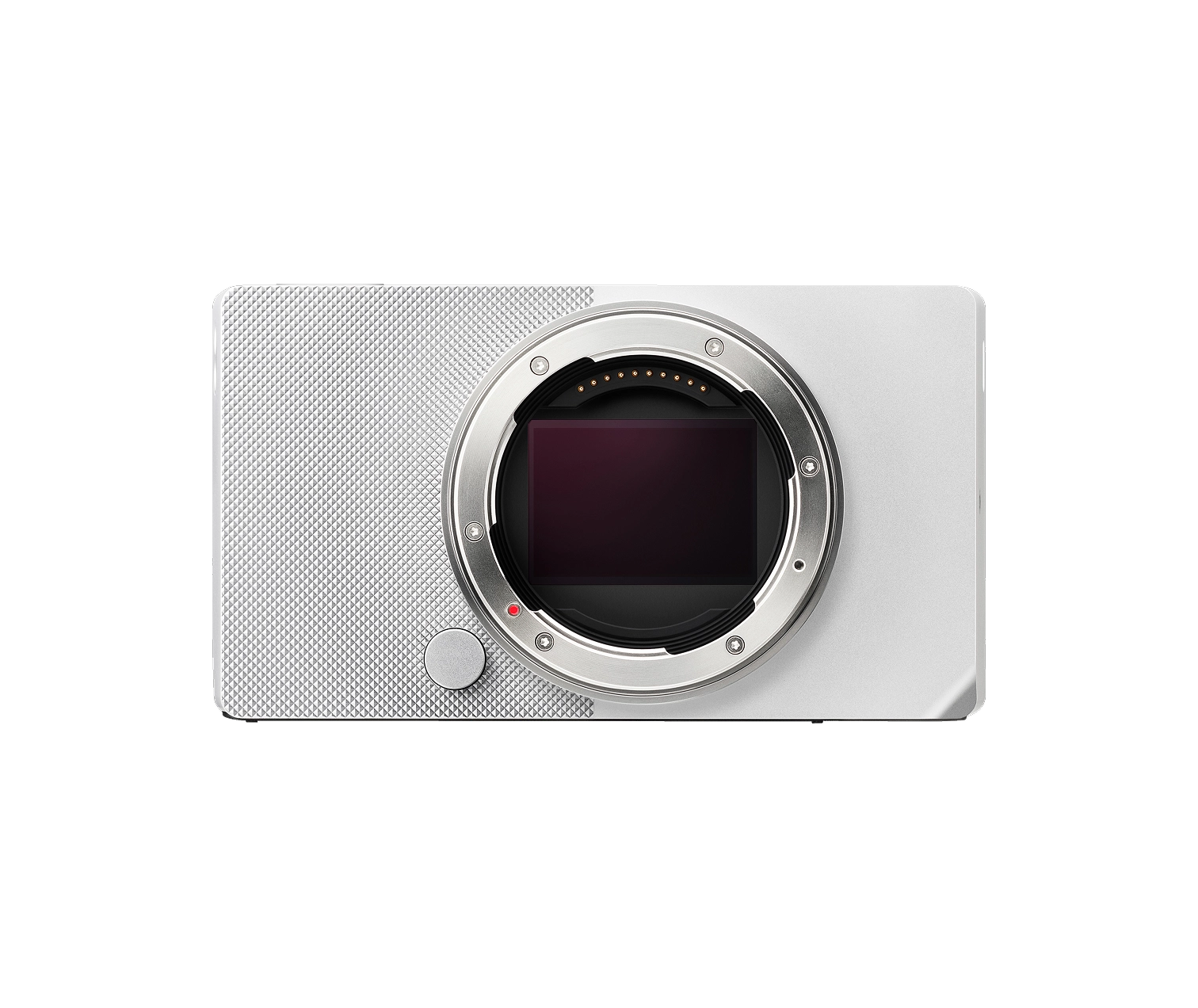
A lens mount is a convenience, and conveniences cost something. It is a mechanical joint, which means it has tolerances, which means every lens you screw on lands in a slightly different place relative to the sensor.
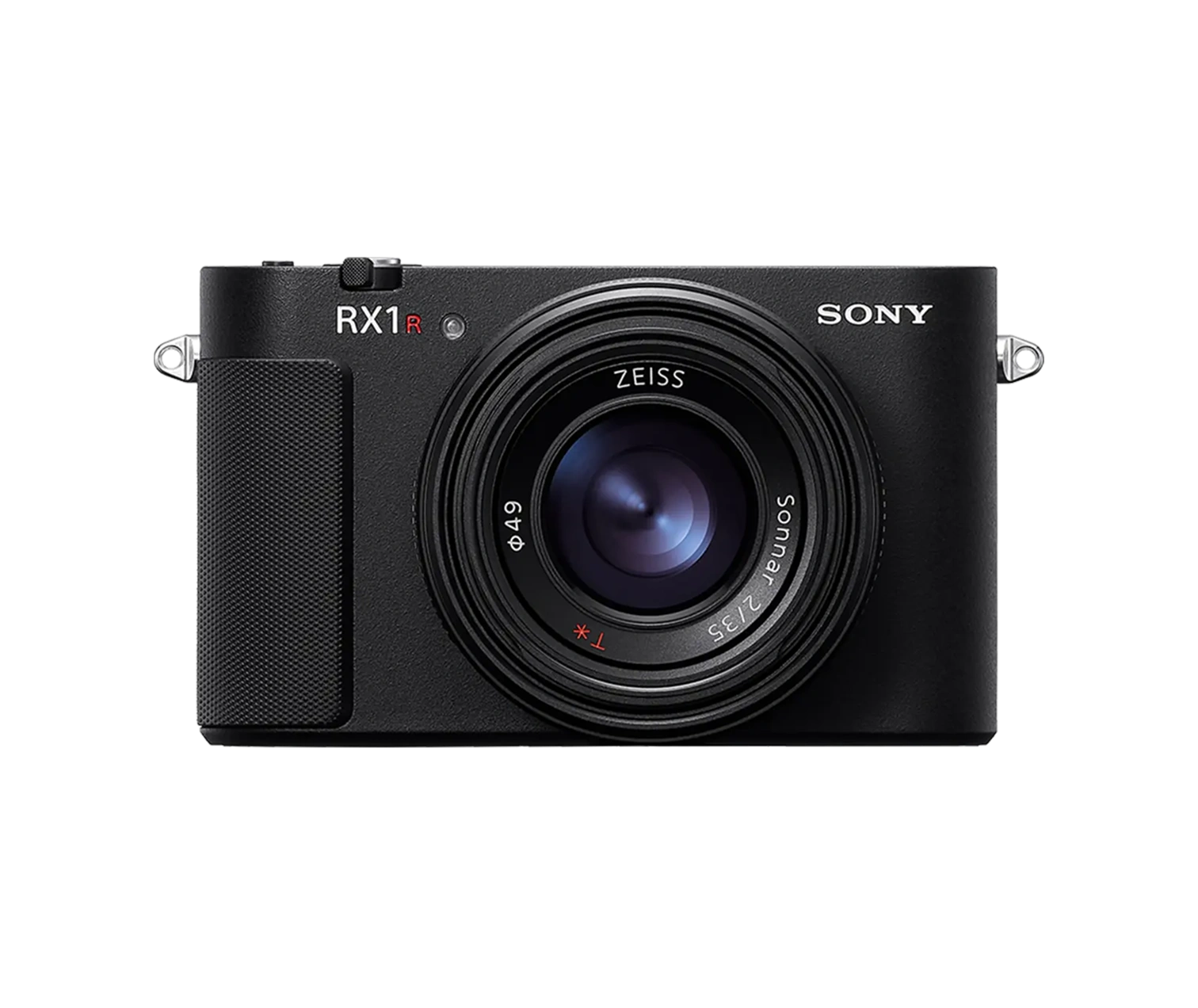
Sony's RX1R III is a full-frame camera with its lens bonded permanently in place, so the glass and the focal plane are aligned once in the factory at what Sony calls micron-level precision. There is no joint left to tolerate. A sensor this dense needs that kind of setting: when the pixels are small enough, a fraction of a millimetre of tilt reads as soft corners in every frame you shoot.
That resolution also does some of the work a zoom would. Step Crop Shooting re-frames the picture in camera at a cost in pixels, 60 megapixels at the widest setting, 29 in the middle one and 15 at the longest, which is the honest version of a three-position lens. Focus runs off 693 phase-detection points covering about 78 per cent of the frame and still works down to EV -4. A separate processing unit estimates human pose rather than only hunting for eyes, reading where the head and body sit, so tracking survives a subject who turns away or puts on a helmet. The same recognition handles animals, birds, insects, cars, trains and aircraft.
Sensitivity runs from ISO 100 to 32000, expandable to 102400, with 15 stops of dynamic range at the quiet end. Twelve Creative Look presets are baked in, three of them film styles, and the NP-FW50 battery is rated at roughly 300 frames before it needs a USB-C cable with Power Delivery behind it.
- Designed in
- Japan

- Size
- 113.3 x 67.9 x 87.5 mm, magnesium alloy
- Weight
- 498 g with battery and card
- Lens
- Zeiss Sonnar T* 35mm f/2, fixed
Figures as published by the manufacturer. Source