About
Once a sensor passes 60 megapixels, the usual move is to strip the low-pass filter out and take the last few percent of sharpness. Sigma went the other way.
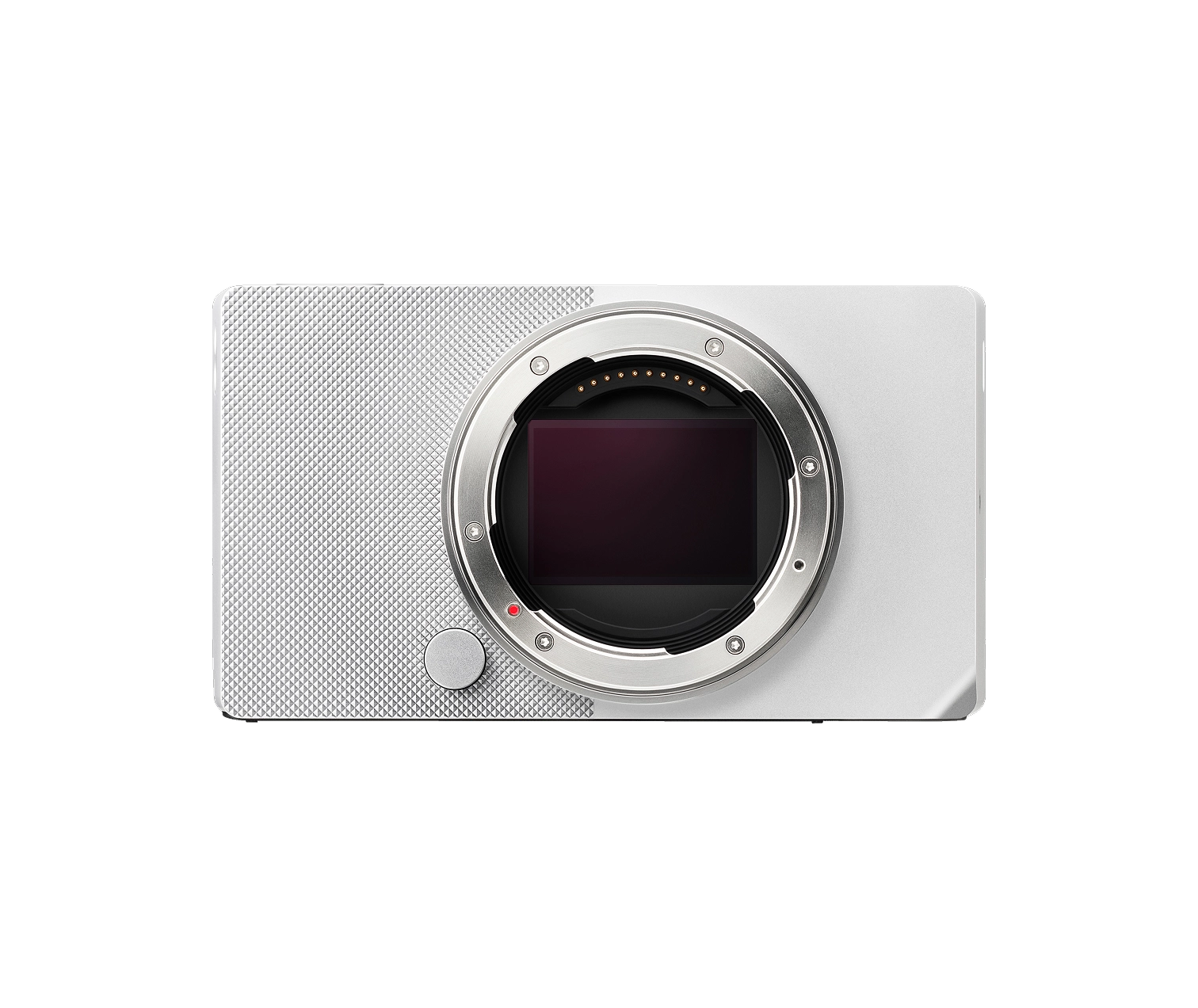
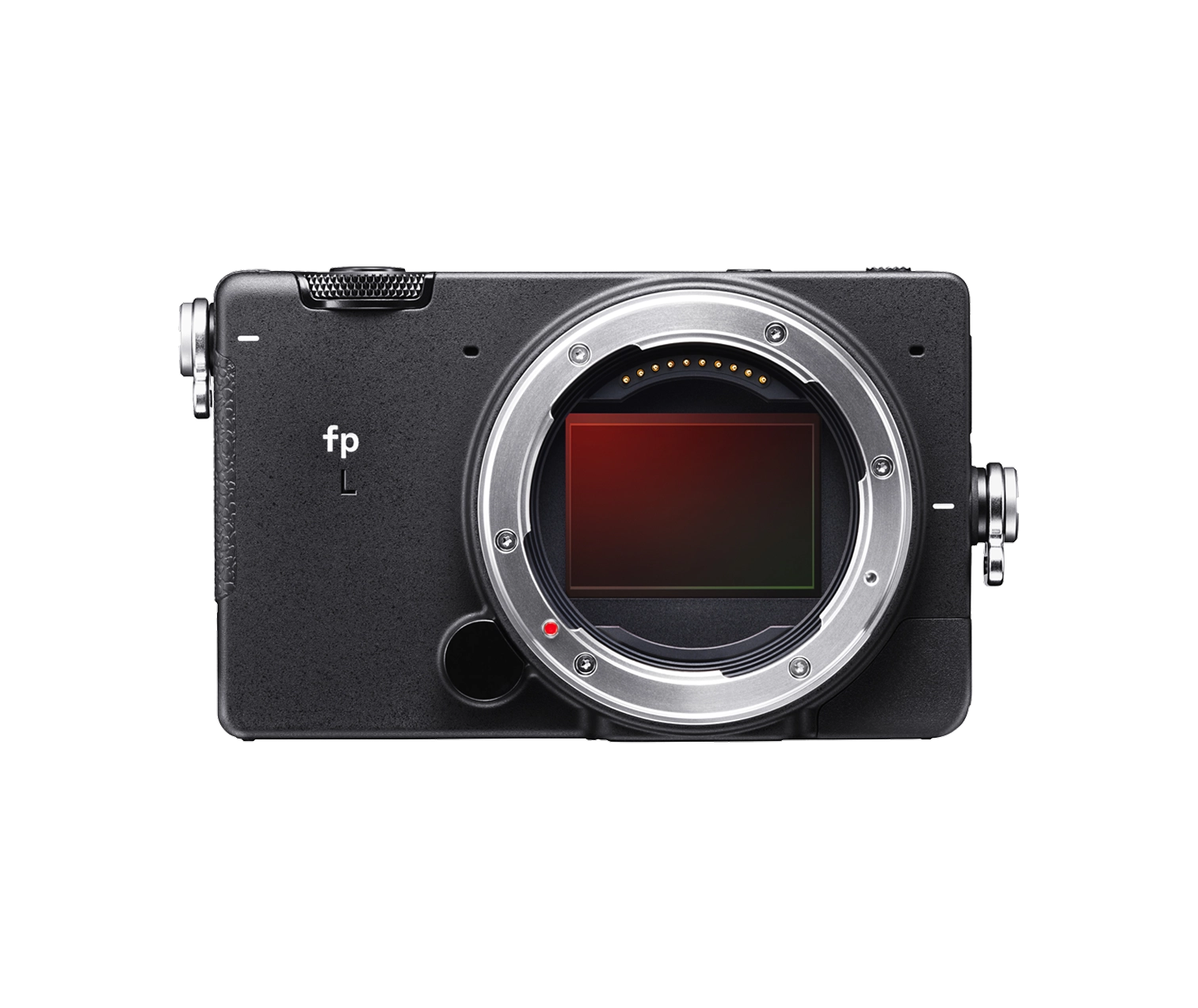
The Sigma fp L pairs a 61 effective megapixel back-illuminated full-frame sensor, the highest pixel count Sigma has ever put in a camera, with a low-pass filter deliberately left in place. The reasoning comes out of Sigma's long run with Foveon sensors: at this pixel density, keeping moiré down is worth more than a trace of detail nobody will see. Those same pixels pay for Crop Zoom, which crops into the frame rather than interpolating. Nothing is invented on the way out. At the full five times crop the camera is still writing full HD, in stills and in cine mode, and you set the crop by pinching the touchscreen.
There is no mechanical shutter in the body at all. Exposures run from 30 seconds to 1/8,000 electronically, bulb stretches to 300 seconds, and the shutter shock, the noise and an entire moving assembly leave with it. The shell is die-cast aluminium front and back, sealed at 42 separate points over a large magnesium heat sink that lets the camera record for up to two hours at a stretch. Video writes 12-bit CinemaDNG to an SD card or a bus-powered USB SSD, and 12-bit RAW leaves over HDMI to an Atomos or Blackmagic recorder. Sixteen colour modes are built in, among them Teal and Orange, Powder Blue, Duotone and a plain Monochrome.
The L-Mount is shared with Leica and Panasonic, so all three catalogues fit this body. Every fp L is built at Sigma's only factory, in Aizu, Fukushima.
- Designed & made in
- Japan

- Awards
- Screen
- 3.15 inch touch LCD, approx. 2.1 million dots
- Dimensions
- 112.6 x 69.9 x 45.3 mm
- Weight
- 427 g with battery and SD card
- Battery
- Li-ion BP-51, approx. 240 stills
- Shell
- Die-cast aluminium, sealed at 42 points
- Storage
- SD card or bus-powered USB SSD


Figures as published by the manufacturer. Source