About
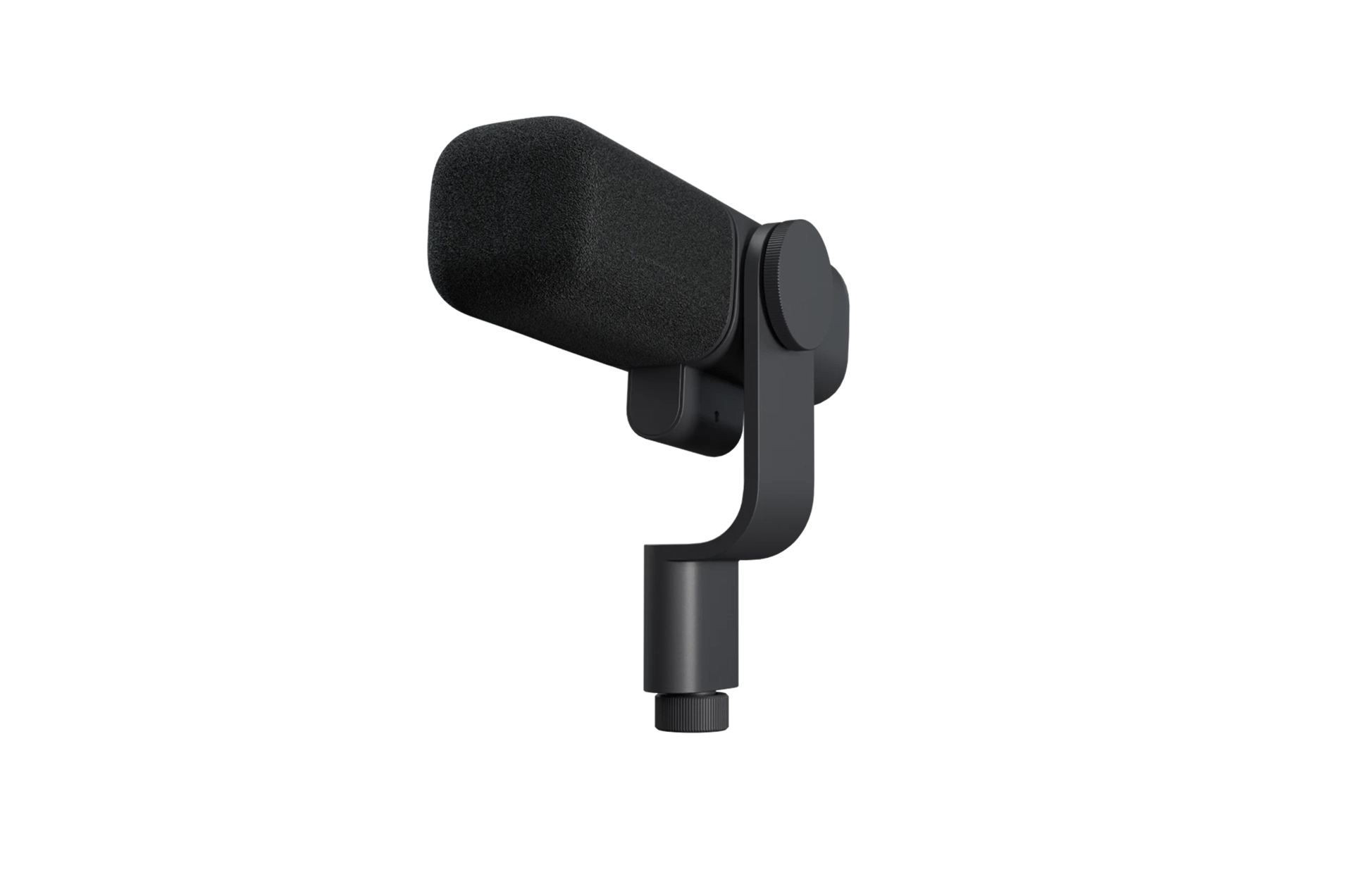
The Yeti became the default desk microphone by being the one you could point at and understand. Three capsules, a dial for the pattern, a USB cable, finished.
Inside sit three 14 mm condenser capsules, arranged so the microphone switches between four patterns without any hardware being added. Cardioid takes what is in front of it and rejects the room, which is what a voice needs. Omnidirectional takes everything. Bidirectional takes front and back for a two-person interview, and stereo splits left from right for anything where position in the room carries information. The dial on the back simply changes which capsules are listening.
It records at 48 kHz, covers 20 Hz to 20 kHz and handles up to 120 dB SPL before distortion, which is louder than anybody is going to be at a desk. Power is 5V over USB, so there is no interface to buy, no phantom power to supply and no audio degree required to get a usable recording out of it.
The remaining controls are the ones people reach for constantly: a gain knob, headphone volume, and a mute button that cuts the signal in hardware without going near software. Blue VO!CE processing layers noise reduction and voice shaping on top, which earns its keep in a room that was never designed to be a studio.
- Designed in
- Switzerland

- Body
- Three 14 mm condenser capsules
- Controls
- Four patterns, gain, mute, headphone
- Range
- 20 Hz to 20 kHz, up to 120 dB SPL
Figures as published by the manufacturer. Source