About
Webcams are usually the part of a video call nobody expects to fix. A plastic lens the width of a shirt button sits over a sensor the size of a grain of rice, and whatever comes out of that gets corrected by software running on your laptop, competing for cycles with the call itself.
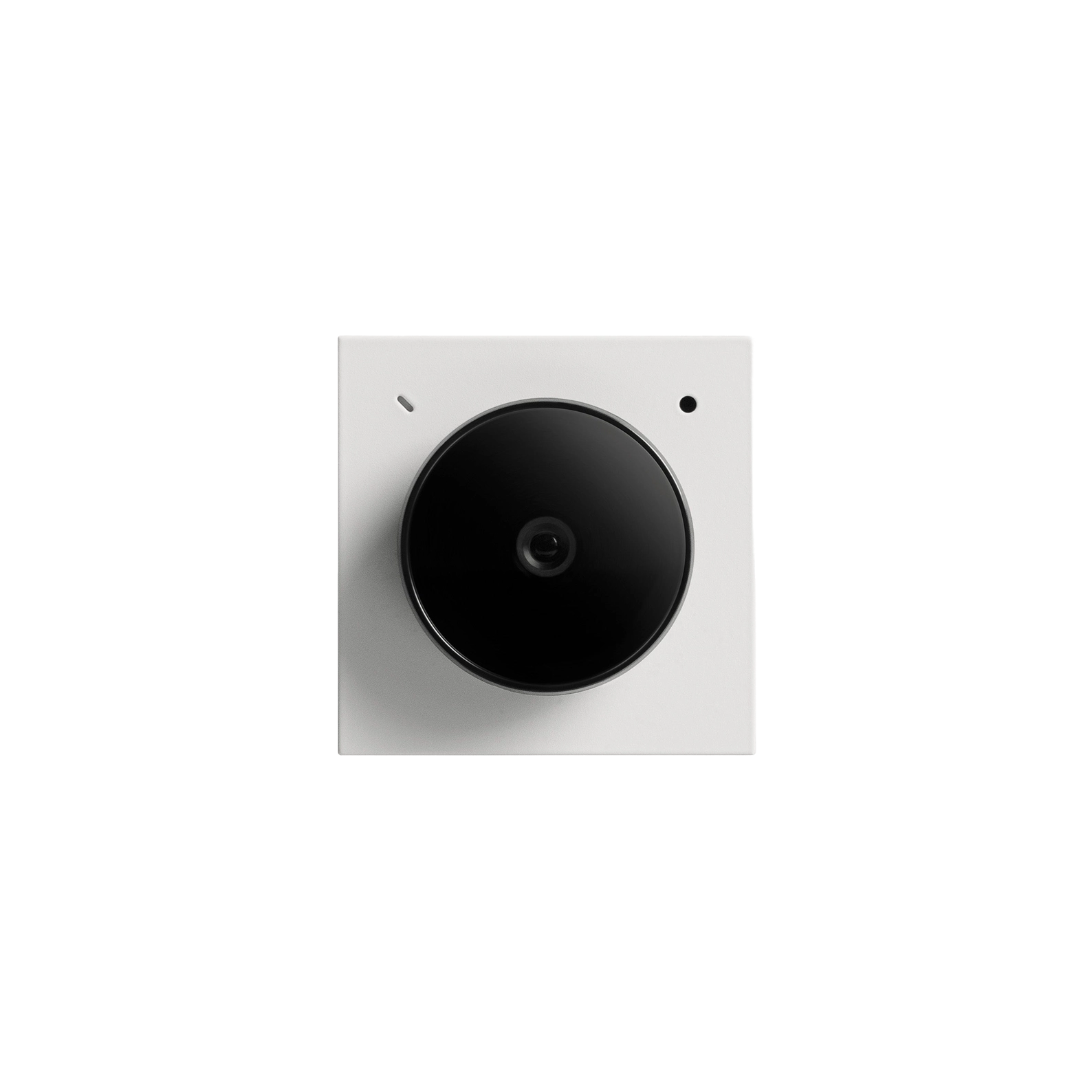
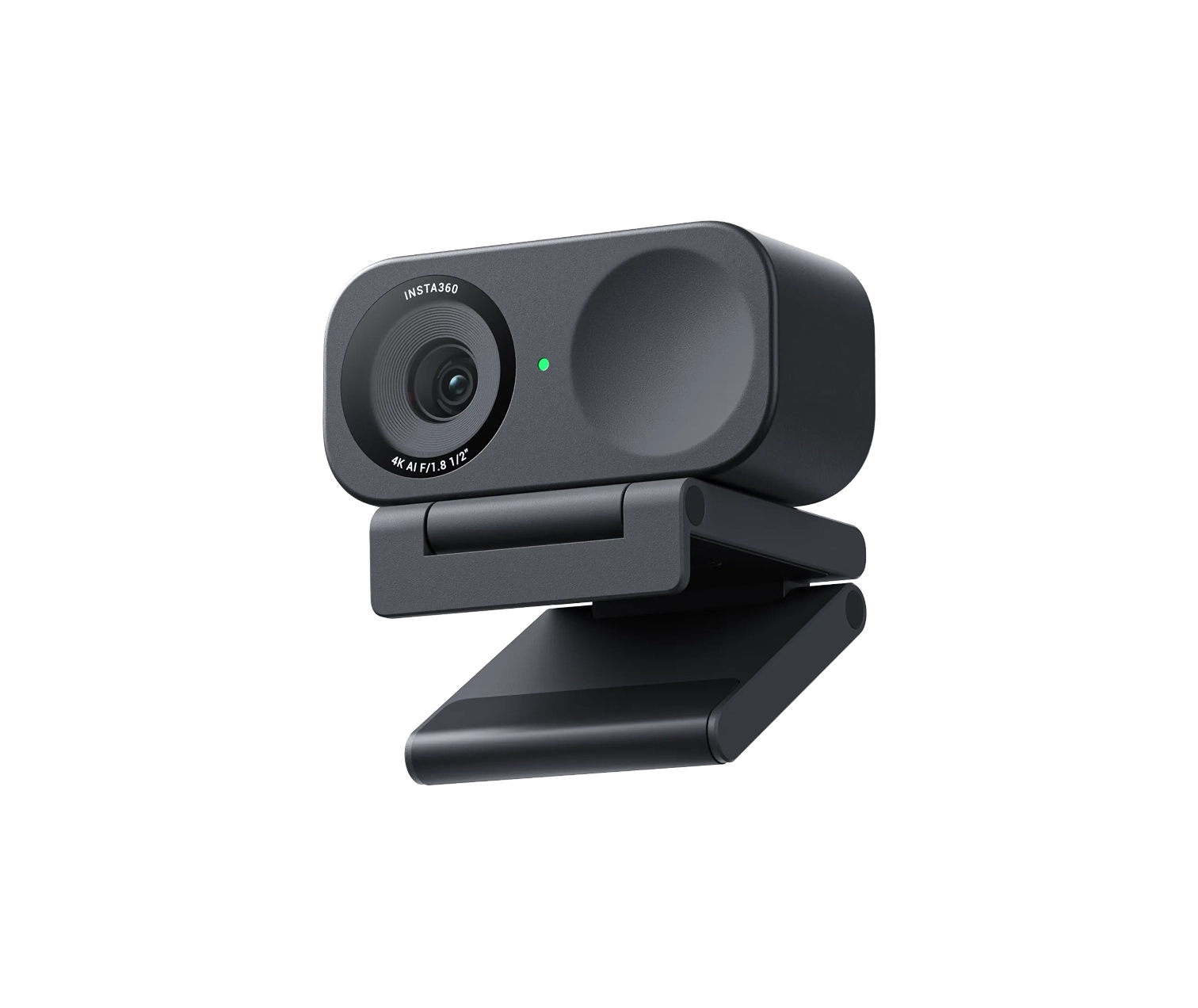
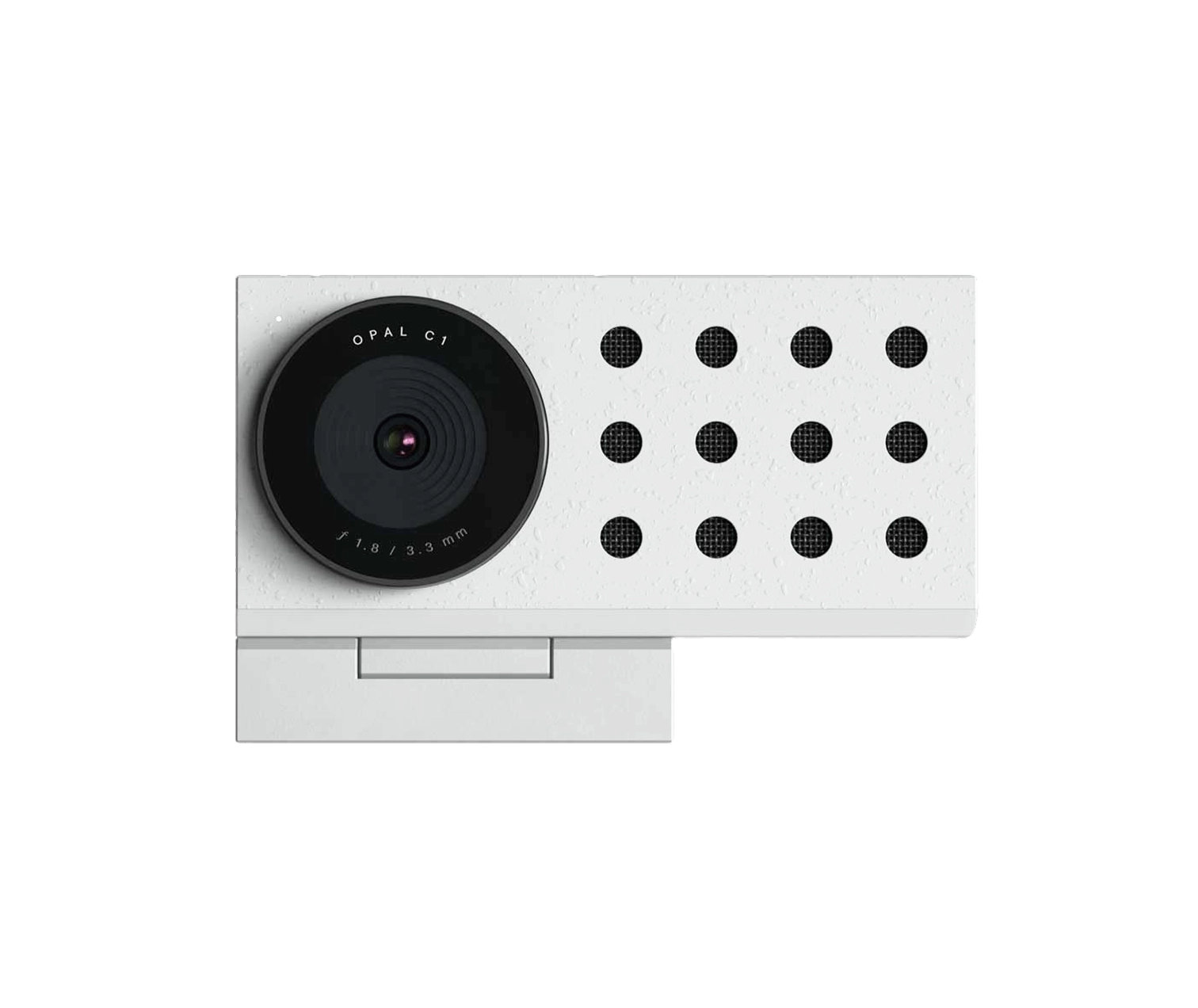
The Opal C1 inverts that order. It is a webcam built around an f/1.8 six-element glass lens that Opal said takes in 2.4 times more light than any other webcam, feeding a Sony sensor measuring 7.86 mm across the diagonal and reading 4056 by 3040 pixels at 1.55 microns each. The frame then goes to an Intel vision chip inside the camera body, not to your computer. That chip runs the bokeh, the image segmentation, the highlight and shadow recovery and the skin tone pass before the picture ever reaches the machine on your desk. Focus behaves like a mirrorless camera's, phase detection at 64 points on every frame, so in a dim room it settles rather than hunting back and forth.
Sound comes from three omnidirectional MEMS microphones, an array Opal called MicMesh, tuned across the 100 to 10,000 Hz band a speaking voice occupies. The rear-facing microphones point at the room instead of at you, and what they pick up is subtracted from what the rest of the array hears. That is how the dishwasher and the dog stop reaching the call. Signal to noise is 59 dBA.
The shell is machined aluminium under a painted finish, less than 2 percent plastic, and the mount threads onto any standard photography tripod. A Mac app called Composer carries the exposure, white balance and colour controls. Opal renamed itself Opal Electronics in June 2026 and said its cameras would leave the shelf, which makes the C1 a camera with a known ending rather than a roadmap.
- Designed in
- United States

- Awards
- Materials
- Lens
- f/1.8, six elements, 78 degree diagonal field of view
- Dimensions
- 3.07 in wide, 1.49 in high, 0.94 in deep
- Weight
- 99 g, or 199 g with the mount
- Fits
- Standard photography tripod thread
- Controls
- Composer app for macOS


Figures as published by the manufacturer. Source