Sleep gadgets that work, from a blackout mask to a smart ring
Sleep gadgets that work, from the Manta Pro mask shaped for side sleepers to the Withings mat that reads the night from under the mattress, nothing to wear.
The sleep gadgets that work do one of two jobs: they change the room you sleep in, or they measure the night you had in it. Three of the five here do the first. A mask makes the room dark, an e-reader replaces the phone as the last thing you look at, and a lamp handles the light at both ends of the night. The other two do the second, one from under the mattress and one from your finger.
Measuring is not the same as fixing. A tracker reports a short night, it cannot lengthen one, so the two trackers sit at the end of this list for a reason. They are most useful once the room is already right, as a way of seeing whether the changes made any difference.
1.Manta Pro Sleep Mask – $85
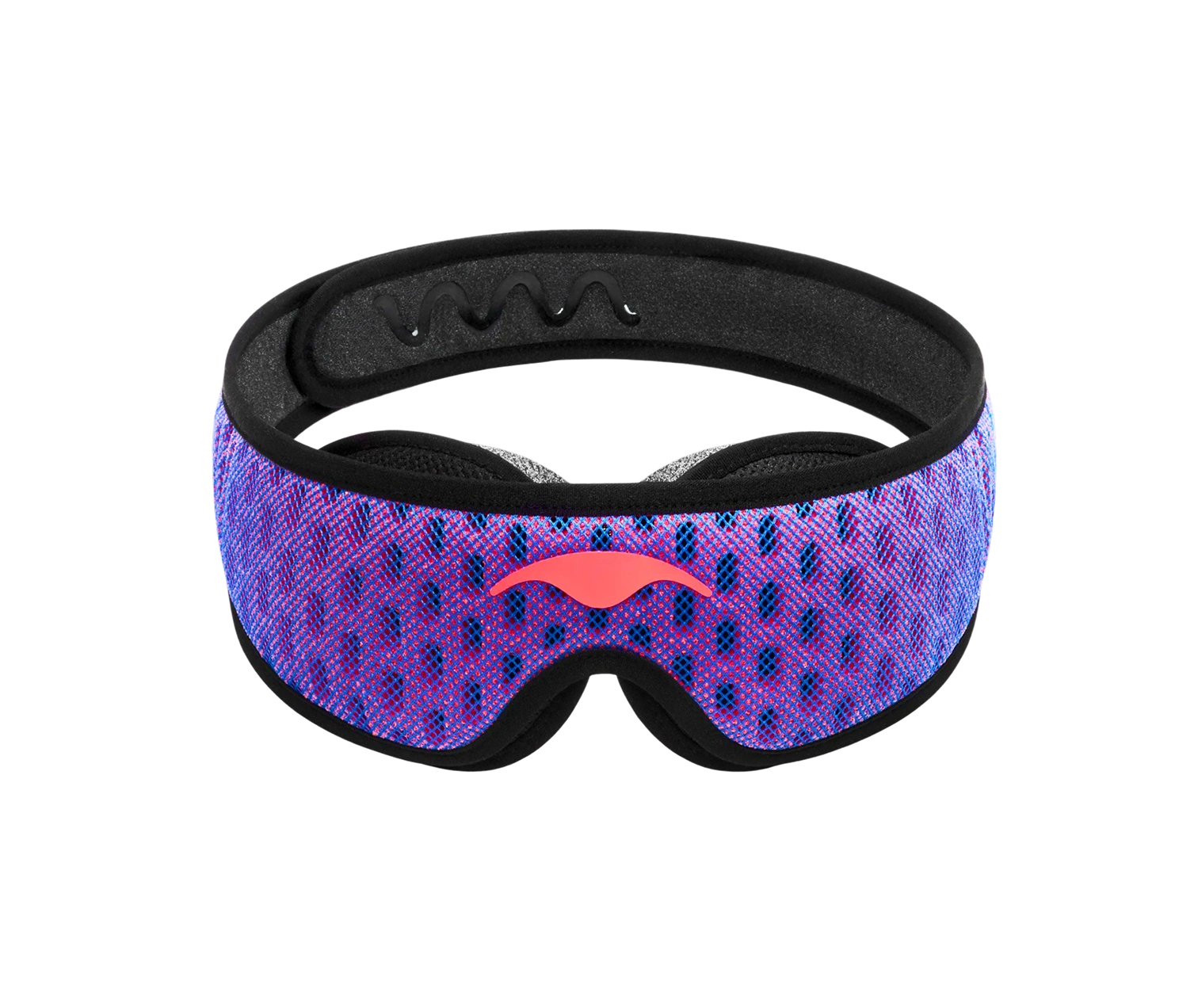
A blackout mask whose C-shaped eye cups thin out toward the temples, so the side of your head meets the pillow and not a ridge of foam.
Most masks that block light completely do it with thick padding, and on a side sleeper the padding is the problem. Manta Sleep's own Original mask uses O-shaped cups, which Reviewed describes as equally thick across the whole interior. The Pro cuts each cup into a C, open at the outer edge, with the foam tapering toward the outside corner of the eye. Manta's description is that there is almost nothing left between the head and the pillow on that side.
The cups also move. Each one fixes to the strap with Velcro, so you can pull it off and set it back wherever your eyes actually are. That adjustment is how the mask keeps its other promise, no pressure on the eyelids or lashes: the cups sit around each eye and leave a hollow over the lid itself.
The blackout claim held up under a harder test than a bedroom. Reviewed put the mask on in a lab under floodlights, and its tester could not tell when the lights changed. The foam is perforated and the strap is mesh, for air, and the whole mask goes in a cold machine wash inside a laundry bag, cups included.
It is a deep mask. The same Reviewed tester, a stomach sleeper, found it bulky enough to compare to ski goggles and woke with marks on her forehead. That depth is what keeps out light in daylight, which is why it suits a bedroom best. For sleep on a plane, where a headrest presses on the mask from behind, the long-haul flight sleep kit uses Loop's Eclipse instead.
2.Kindle Paperwhite – $160
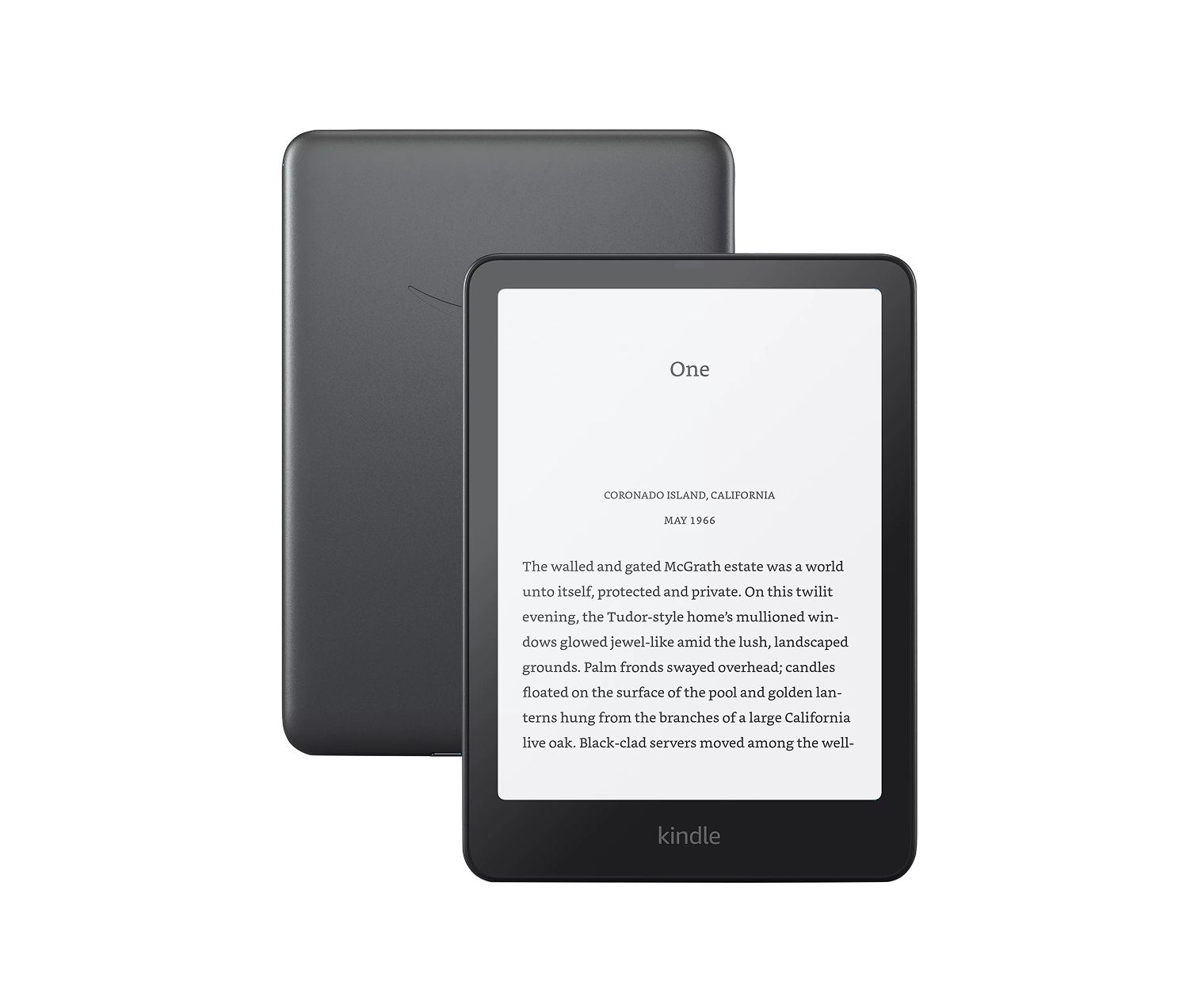
A 7-inch e-paper reader whose built-in light shifts from white to amber, so a book in bed needs no lamp and no phone.
The 2024 Paperwhite is the model Amazon launched in October of that year at $159.99. It grew the screen from 6.8 to 7 inches, mostly by narrowing the border around it, and kept the 300 pixels per inch that makes small type look printed rather than drawn.
The setting that matters in a bedroom is warmth. You can dim the light and, separately, move it along a scale from white to amber, the colour of a bulb on a dimmer switch. Late at night that means a page lit warm and low enough to read without waking anyone else in the bed, from a screen that shows a book and only a book. There are no messages arriving in the middle of a chapter, which is the real case for keeping the phone in another room.
Battery life runs to weeks. Amazon rates it at up to twelve, on a half hour of reading a day with wireless switched off and the light at 13 on its scale, and T3 and Tom's Guide both repeat the twelve-week figure. A Kindle that lives on a bedside table charges over USB-C perhaps four times a year, so its cable never needs a permanent place next to the bed the way a phone's does.
The 2024 version also turns pages faster than the 2021 model it replaced, and Amazon now sells it as the fastest Kindle it makes. On e-paper, where every page is redrawn, that speed is the difference between a page that turns when you tap and one that makes you wait.
3.Philips Hue Twilight – $280
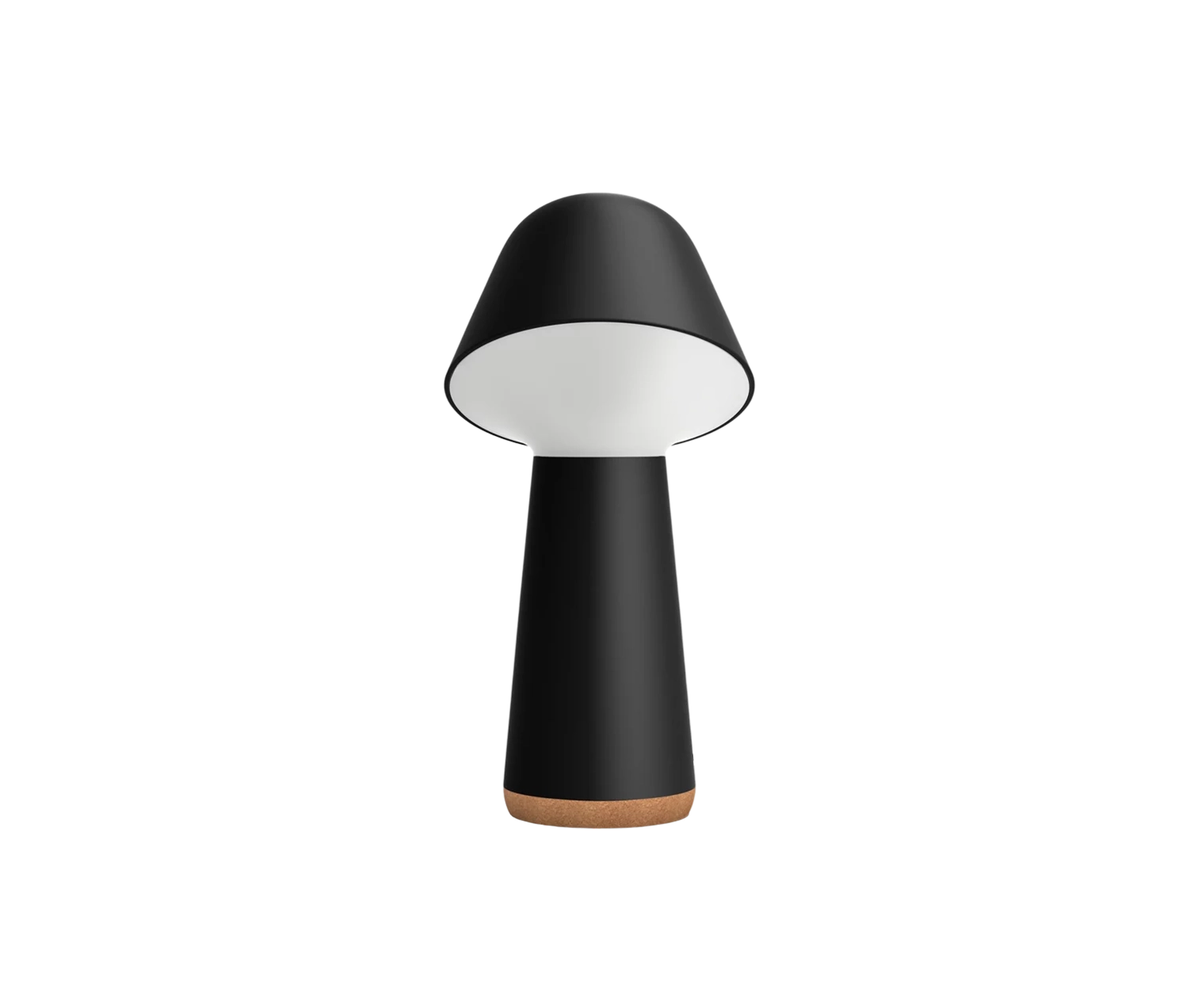
A bedside lamp with one light at the front for reading and a second at the back that washes the wall, run by two buttons on top.
Philips Hue launched the Twilight in September 2024 at $279, and TechRadar called it the brand's first true wake-up lamp. Hue's US store lists it at $319.99 today. It stands about 33 cm tall, in black or white. The front head swivels left and right to aim at a book. Behind it sit rows of overlapping LEDs that Hue calls ColorCast, which spray a gradient of colour up the wall and hold the blend steady however far the lamp stands from it. Together they put out 1,380 lumens at 4000 K.
The two buttons do the work that would otherwise need an app. Press the Hue button and the lamp runs its Go to sleep routine, sliding from bright light to warm, red-toned light and fading to off. The dot button cycles through six scenes based on daylight. In the morning the Wake up routine runs the other way: it starts very dim and warm and brightens to a cool white, the order a sunrise goes in.
It works over Bluetooth with no Wi-Fi and no hub, which covers the two routines and basic control from the Hue app. A Hue Bridge opens the rest. Hue says only a Bridge lets you reassign the buttons, and over Bluetooth TechRadar could not run the two light sources together and found many automations missing.
Twilight is a lamp first, used every evening, where most sunrise alarms are clocks that glow. For one with a clock face, the Hatch Restore 3 is in our minimalist alarm clocks.
4.Withings Sleep Analyzer – $200
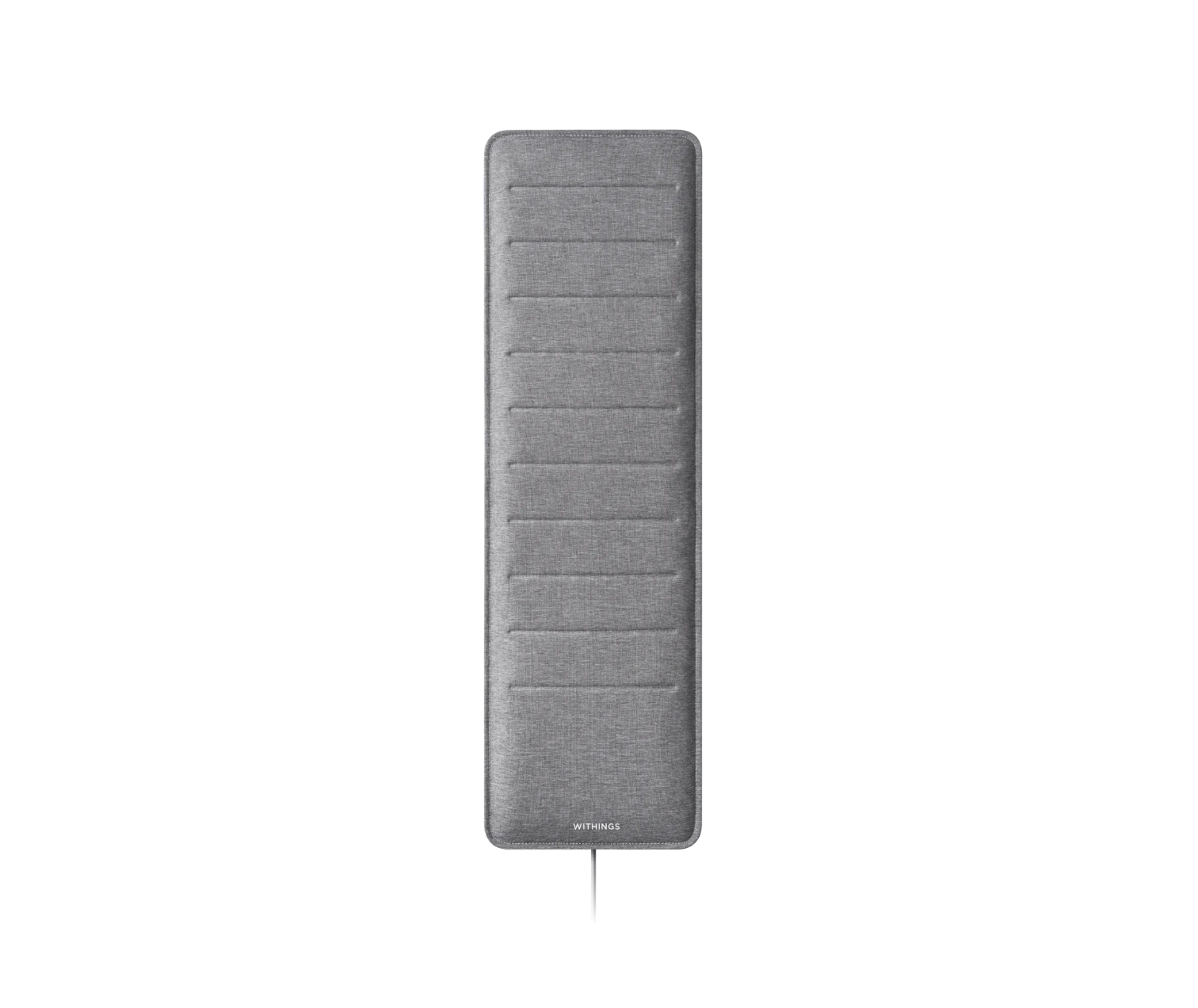
A fabric mat that slides under the mattress at chest height and reads the night through the bed, with nothing to wear and nothing to charge.
The Sleep Analyzer, sold in the US simply as Withings Sleep, is 637 by 190 mm and 5 mm thick. Inside it is an air bladder. When you breathe, your chest rises and presses on the mattress, and the pressure inside the bladder changes with it. The same sensor picks up the smaller pulse of your heartbeat and the larger shifts of turning over. A sound sensor listens for snoring. From those Withings works out the stages of sleep, heart rate, breathing rate and how often you woke, and folds them into a score out of 100 each morning in its Health Mate app.
It has no battery. It plugs into the wall and syncs over Wi-Fi, so after setup it needs nothing from you at all. It does need a firm surface under it. On slatted bed frames it can sag between the slats, and Sleep Foundation suggests a sheet of cardboard beneath it.
The US version leaves out what the mat is best known for. In Europe it carries certification as a medical device for detecting sleep apnoea, and Tom's Guide notes that apnoea detection is still awaiting approval in the US. What the FDA cleared, in 2024, is a separate prescription device called Sleep Rx. Withings+ is an optional subscription that adds an overall health score and trend reports, and none of the sleep tracking needs it.
The mat reads whoever lies over it, so a couple who both want their nights measured need two, one under each side.
5.Oura Ring 5 – $499
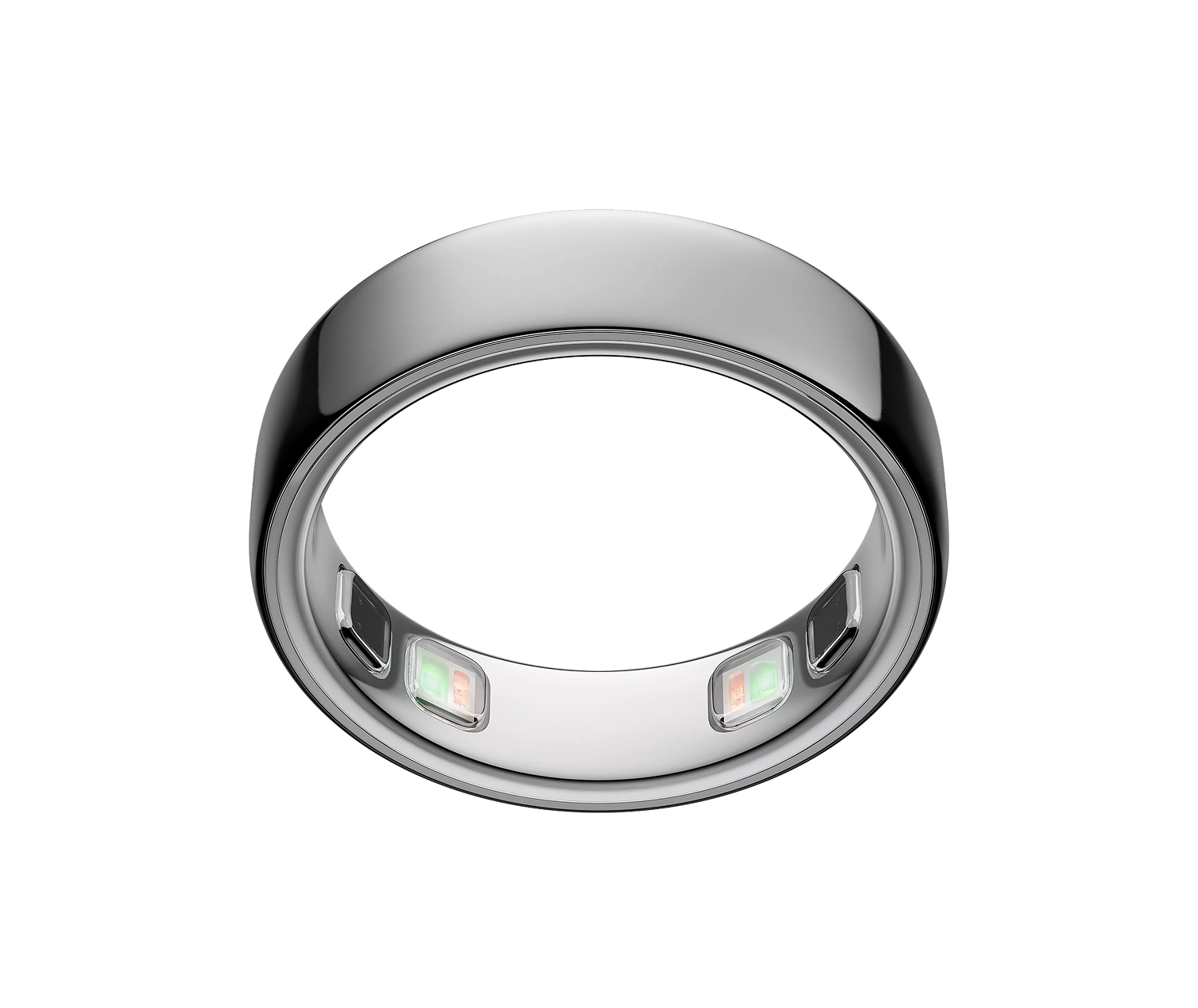
A titanium ring 2.28 mm thick that reads sleep from the finger and, unlike the mat, comes with you when you get up.
Oura released the Ring 5 in June 2026 and says it is 40% smaller than the Ring 4. The band is 6.09 mm wide and weighs from 2 g, depending on size, and it is waterproof to 100 m. A charge lasts six to nine days, which means one evening a week without it, best chosen as a night you do not care about measuring.
Price depends on finish. Silver and black cost $399. Gold, Stealth, Brushed Silver and Deep Rose cost $499, which is the price shown here. The full app requires a membership at $5.99 a month or $69.99 a year, and the charging case, which tops the ring up away from home, is sold separately.
The ring reports what the mat reports, sleep stages and heart rate overnight, and then keeps going. Your sleep score feeds a morning Readiness score that also draws on heart rate and temperature trends from the finger. That is the trade against the Sleep Analyzer. The mat asks nothing of you and stops at the bedroom door; the ring asks you to wear it and charge it, and in return it knows what the day did to the night.
Android Authority's tester found heart-rate readings slipped while gripping a rowing handle, which is worth knowing if the ring is meant to replace a sports watch. For sleep, where the hand lies still, that weakness does not come into play.
How we chose
We chose five things that each do a different job at night: make the room dark, replace the phone as the last screen of the day, light the evening and the morning, and measure the night either from under the mattress or from a finger. Every figure on this page was checked against the maker's own page and at least one independent review, and where we could find only one source we left the number out. Two products we considered did not make it. Eight Sleep has replaced the Pod 5 Core with the Pod 6, so its listing no longer sells the model we would have written about, and Loop sells a dedicated sleep earplug, the Dream, which makes its Switch 2 the wrong Loop for a bedroom. There is no comparison table, because a mask, a reader, a lamp and two trackers share no measurement that would line up in one.
Common questions
It was designed for them. Its C-shaped eye cups taper toward the temples, so less foam sits between the head and the pillow than with Manta's Original mask, whose O-shaped cups are equally thick all round. The cups attach with Velcro and can be moved along the strap to fit.
Not the consumer version. The mat is certified for sleep apnoea detection in Europe, and in the US that feature is still awaiting approval. The device the FDA cleared, in 2024, is a separate prescription product called Withings Sleep Rx.
No. It works over Bluetooth without Wi-Fi, and both built-in routines, Go to sleep and Wake up, run from the buttons on top. A Bridge is needed to reassign those buttons and unlocks controls and automations that Bluetooth alone does not offer.
Yes. Full use of the Oura app requires a membership at $5.99 a month or $69.99 a year, on top of the ring itself, which costs $399 in silver or black and $499 in the other finishes.
Amazon rates the 2024 Paperwhite at up to twelve weeks per charge, based on half an hour of reading a day with wireless off and the light at 13. It charges over USB-C.
About the author

Justin Farrugia
Founder & Editor of Curated Supply
Justin Farrugia is the founder and editor of Curated Supply, a design-led directory to things worth owning. He has personally curated over 1,000 products across workspace, carry, coffee, audio, and the home, each judged against one standard: design intent, material quality, and the restraint that lets a thing last.