Quiet luxury bathroom essentials for modern bathrooms
Seven quiet luxury bathroom essentials, from Aesop hand wash to Laifen tools and a Simplehuman sensor mirror, chosen for refined form and calm design.
Updated
A bathroom is the one room where almost everything is out on display. There is no drawer big enough for the objects used twice a day, so what lives on the counter is what you look at first thing every morning, and most of it is packaging drawn to catch an eye in a supermarket.
The seven here are the ones that survive being left out. Three of them come from Laifen, which is not laziness: Laifen is one of very few companies machining bathroom electronics from aluminium instead of moulding them, and in a room where everything is visible that is the material difference that matters.
1.Marvis Classic Strong Mint
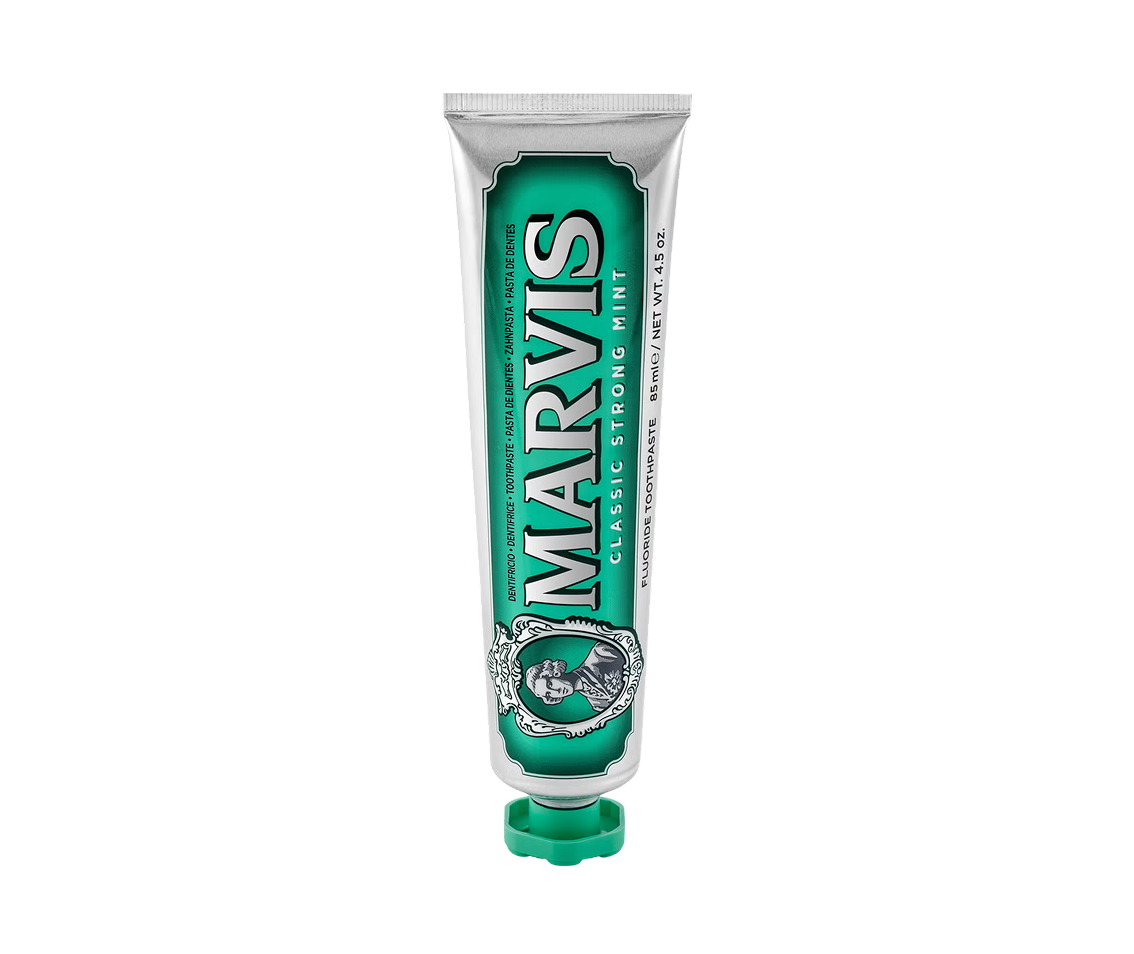
An aluminium tube, which is the only reason a toothpaste ends up on a page like this.
Almost all toothpaste now comes in laminate plastic tubes, which crease, split at the seam and go grubby along the fold within a fortnight. Marvis still uses metal, so the tube rolls flat, keeps its shape and looks the same on the last day as on the first.
Metal also empties properly. A plastic tube springs back and holds a tenth of its contents past the point where it stops dispensing; a rolled aluminium one gives up everything.
The peppermint is sharper than a supermarket paste and less sweet, which is a formulation difference rather than a packaging one, and it is why Classic Strong Mint keeps the following it has.
2.Aesop Reverence Aromatique Hand Wash

Amber glass, and the colour is doing a job, not setting a mood.
Amber glass filters ultraviolet light. The essential oils in a formulation like this degrade under UV, so a clear bottle on a windowsill loses its scent profile over months and an amber one does not. Aesop has been consistent about this across the entire range and it is the reason the bottles look the way they do.
Vetiver root, petitgrain and bergamot rind: a dry, woody, slightly bitter composition where most hand washes reach for sweetness. It leaves a trace on the hands instead of a coating.
The label is dense small type in a single colour, which reads as restraint and is also cheap to print consistently across a hundred products. Good design and good economics agreeing.
3.Simplehuman Liquid Sensor Pump
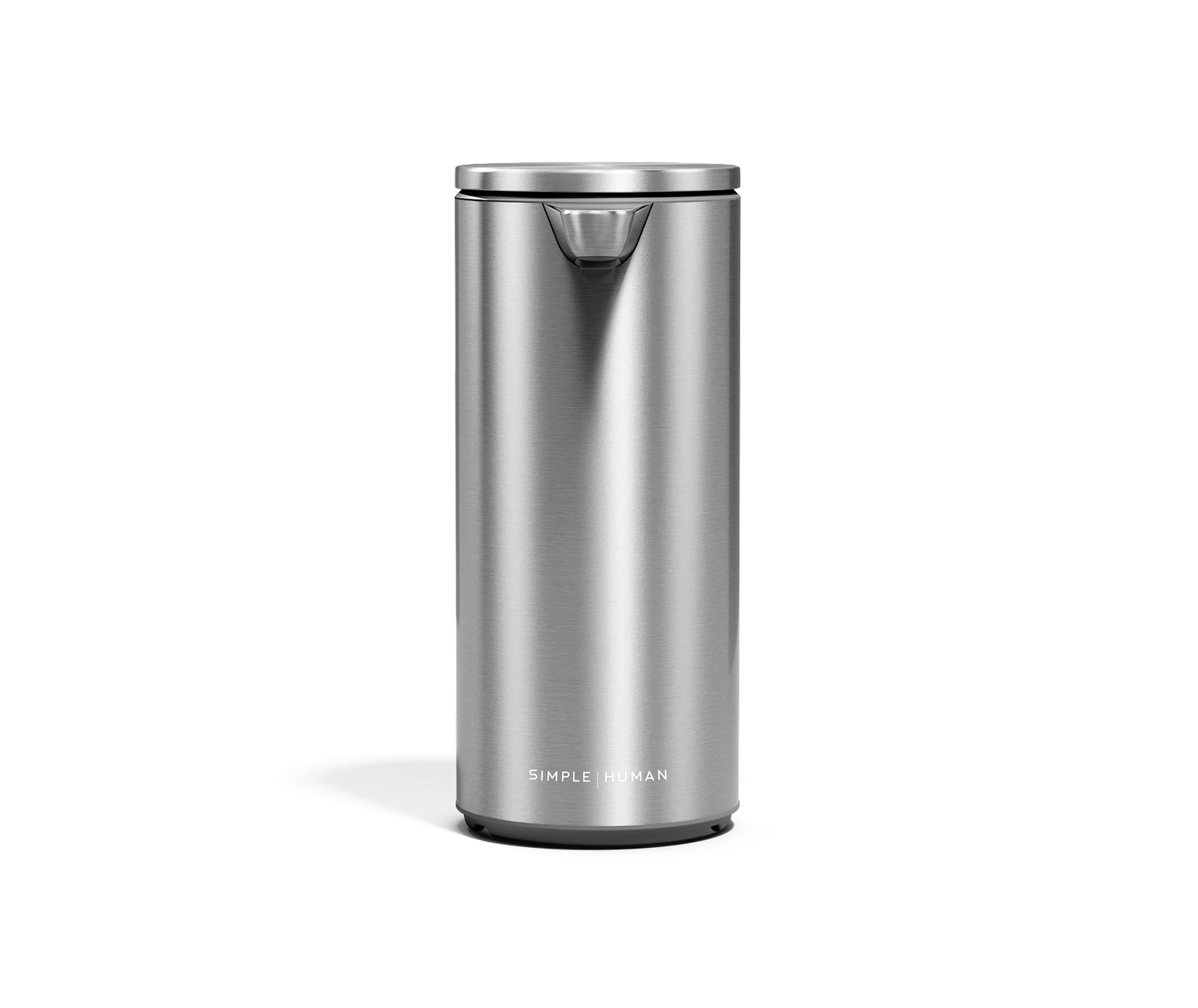
How far your hand is from the sensor sets the dose, which no spring pump can do.
A spring pump gives the same squirt every press, and the only way to get more is to press again. The Sensor Pump reads distance instead: a hand close to the sensor gets a little soap, a hand held further away gets more. Behind the sensor a tubing pump squeezes soap through an air-tight tube, and a silicone valve at the spout closes after each dose. That valve is the detail that matters on a counter, because the crust that forms under a dripping pump is what makes a clean sink look dirty.
Simplehuman rates the mechanism for 150,000 cycles, which it works out as twenty uses a day for twenty years. It holds 9 fl oz, 266 ml, and charges on a small puck in three to four hours, then runs about four months on that charge by the maker's figure. The same puck will charge a phone.
Nobody touches it, so there is no soap smear on the pump head either. Simplehuman recommends its own soap and warns off thick or exfoliating ones, so the Aesop above stays in its own bottle. The pump comes in eight finishes, from brushed to oiled bronze.
4.Laifen T1 Pro
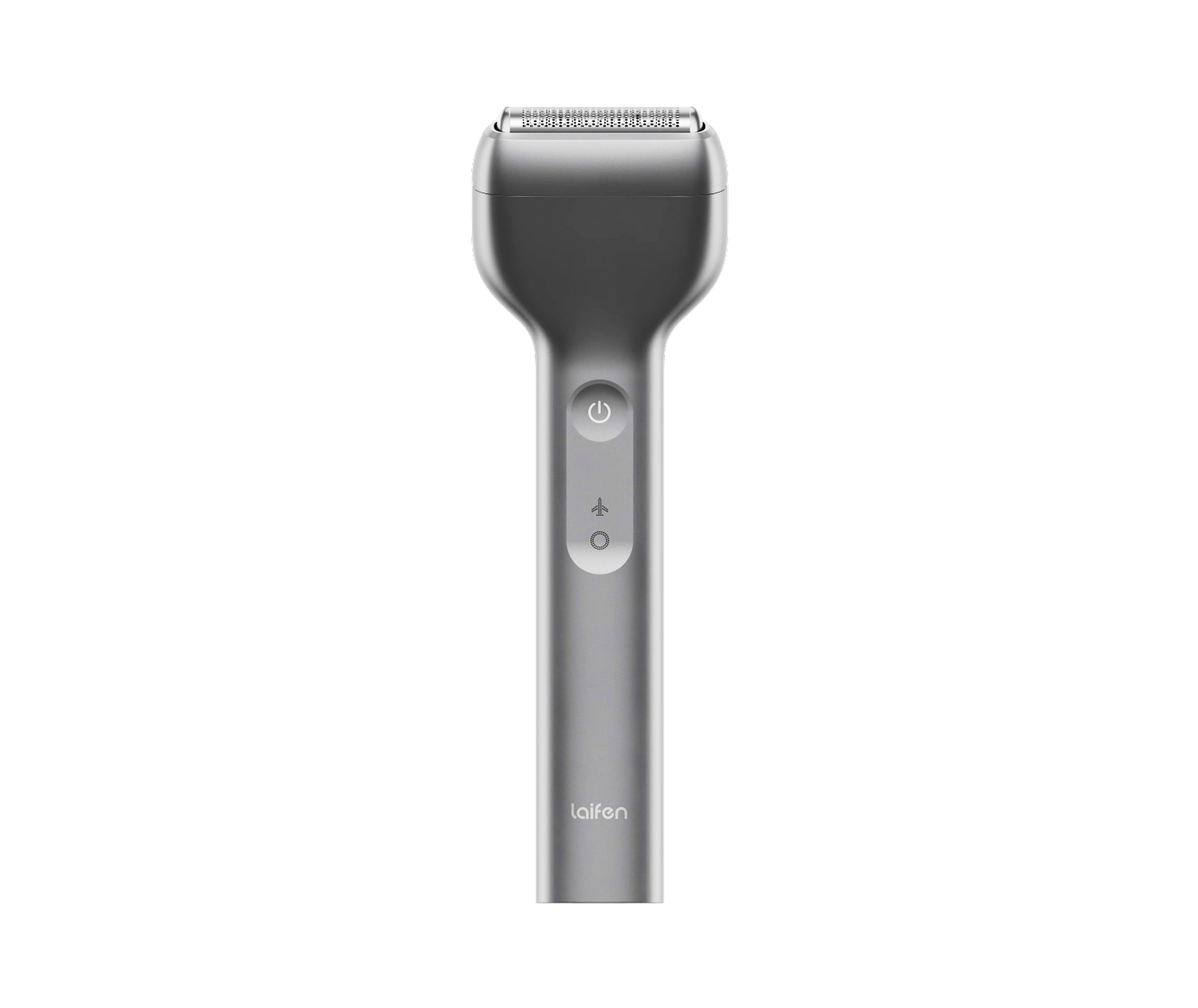
A foil shaver rated IPX7, which means you rinse it under the tap instead of tapping it out over a bin.
IPX7 is immersion in a metre of water for thirty minutes, and on a shaver that changes the maintenance completely: hair and skin oil come off under running water in seconds, where a non-waterproof shaver needs a brush and never gets properly clean.
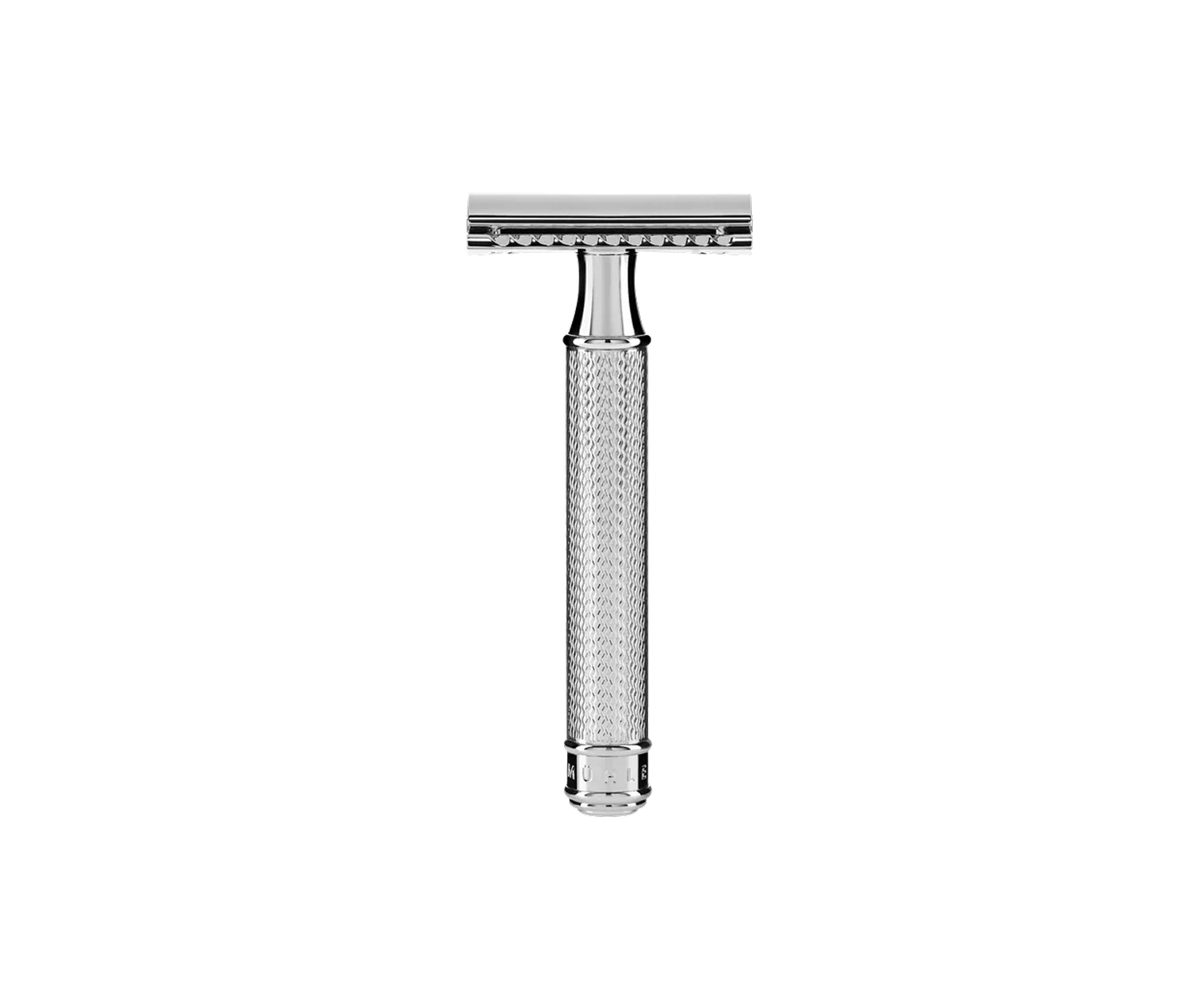
Foil shaving works by holding skin flat under a perforated screen while a cutter oscillates beneath it, so no blade ever touches skin. That makes it the gentlest option for anybody who reacts to blades, and the T1 Pro is the version of it that does not look like a medical device.
Machined aluminium stays cool to the touch and does not develop the tacky rubberised surface every moulded shaver has by year three.
5.Laifen Wave Electric Toothbrush
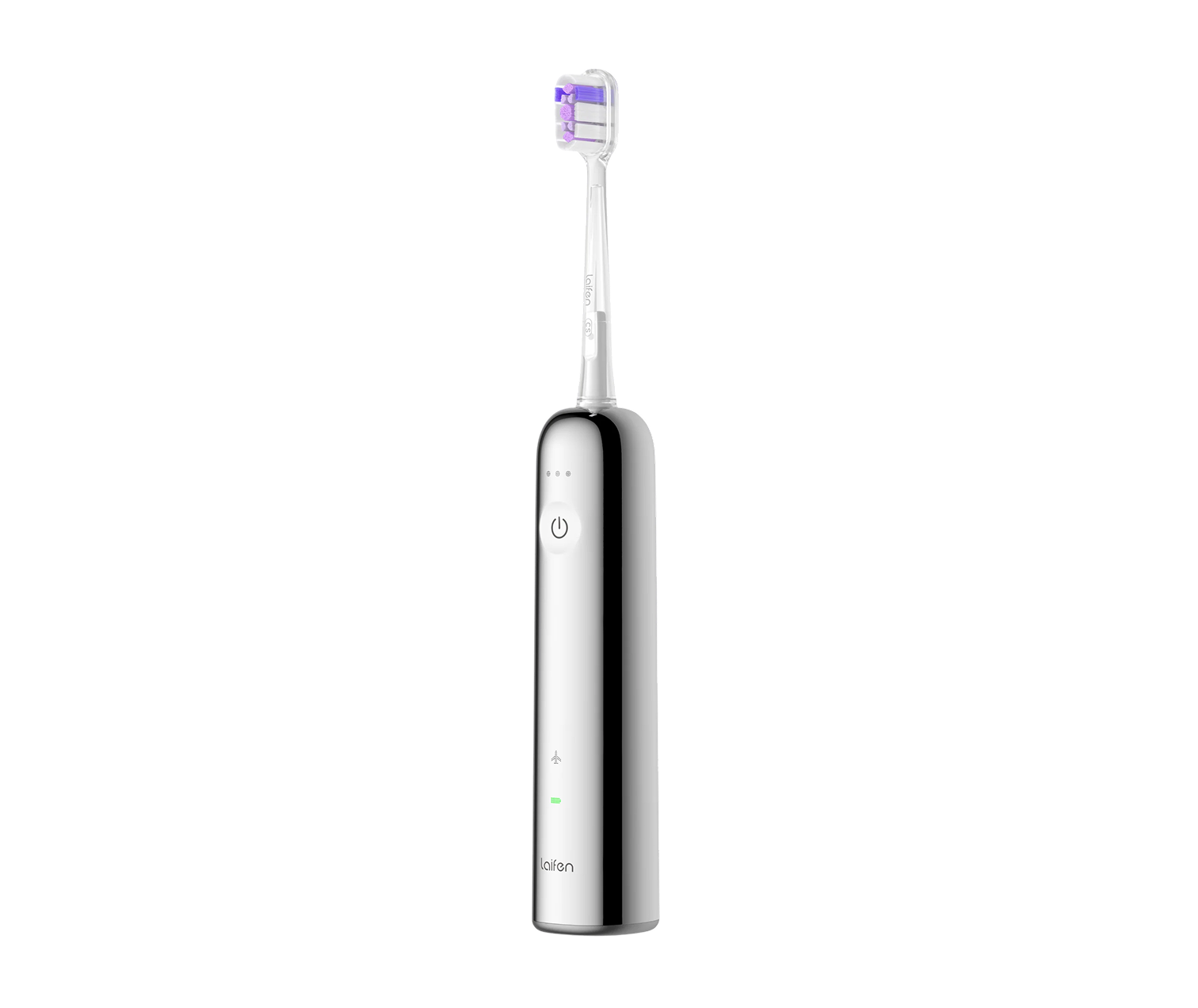
It oscillates and vibrates at the same time, which is the mechanical claim that separates it from a standard sonic brush.
A sonic brush vibrates at high frequency along one axis. A rotating-oscillating brush turns the head back and forth. The Wave does both together, which is a harder mechanism to fit in a slim handle, and the reason the body is metal.
The base is small enough to sit beside other objects instead of claiming its own zone, which on a counter shared with soap and a razor decides whether the room reads as calm.
A metal handle matters more here than anywhere: a toothbrush lives permanently in the wettest spot in the house, and plastic there discolours in a way metal does not.
6.Laifen Swift Hair Dryer
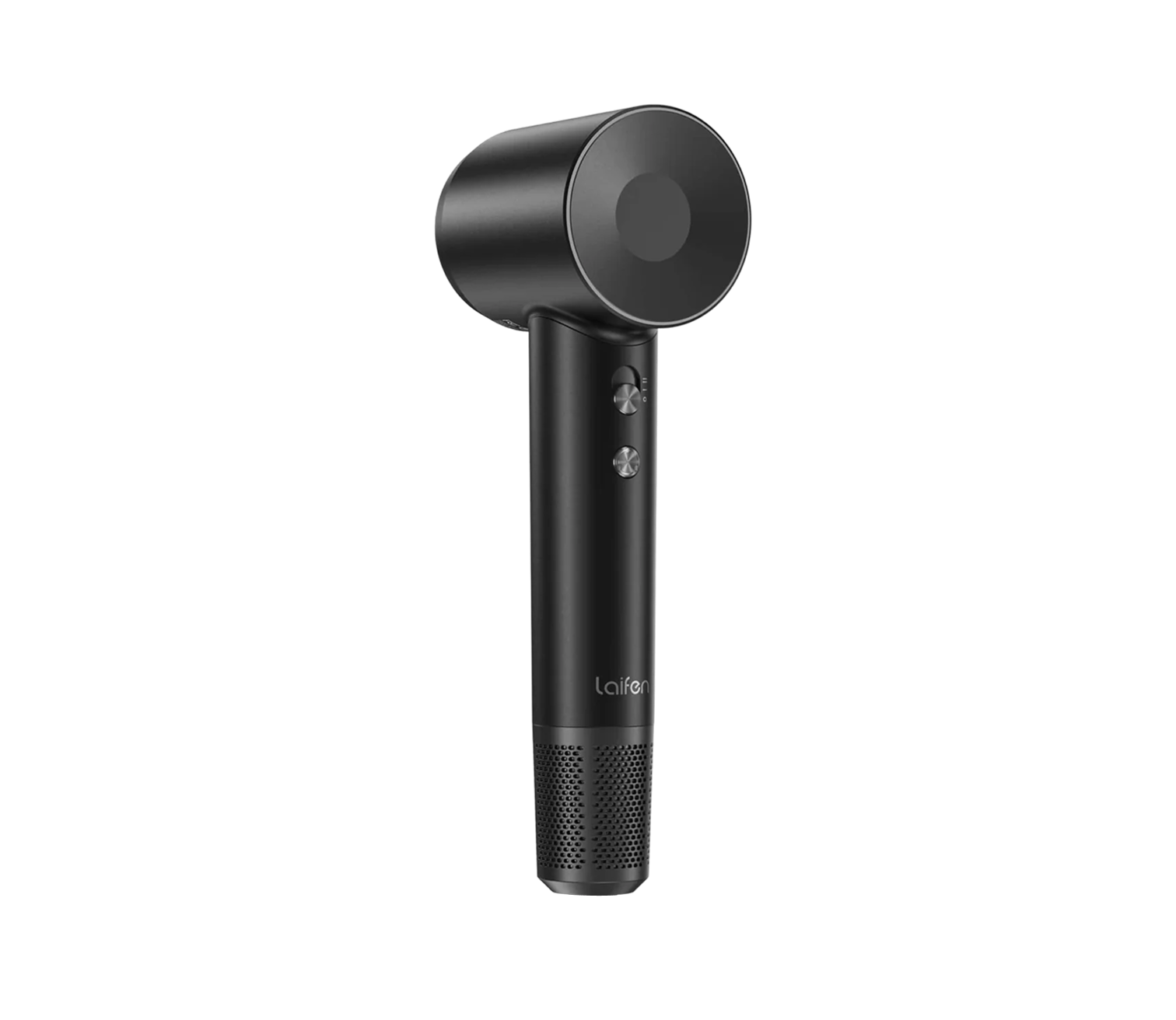
A high-speed brushless motor, which is what allows the whole thing to be this small.
Conventional dryers use a large slow motor and a lot of heat. A high-speed motor moves far more air, so the same drying happens at a lower temperature, which is better for hair and also why the Swift fits into a fraction of the size.
That size is the design argument in a bathroom. A conventional dryer is too big to leave out and lives in a cupboard. This one sits on a shelf, which means it is where you need it.
Noise is the other consequence. A faster smaller motor moves the sound up in pitch and down in volume, so it is audibly less punishing at seven in the morning than a full-size dryer.
7.Simplehuman Sensor Mirror Fold
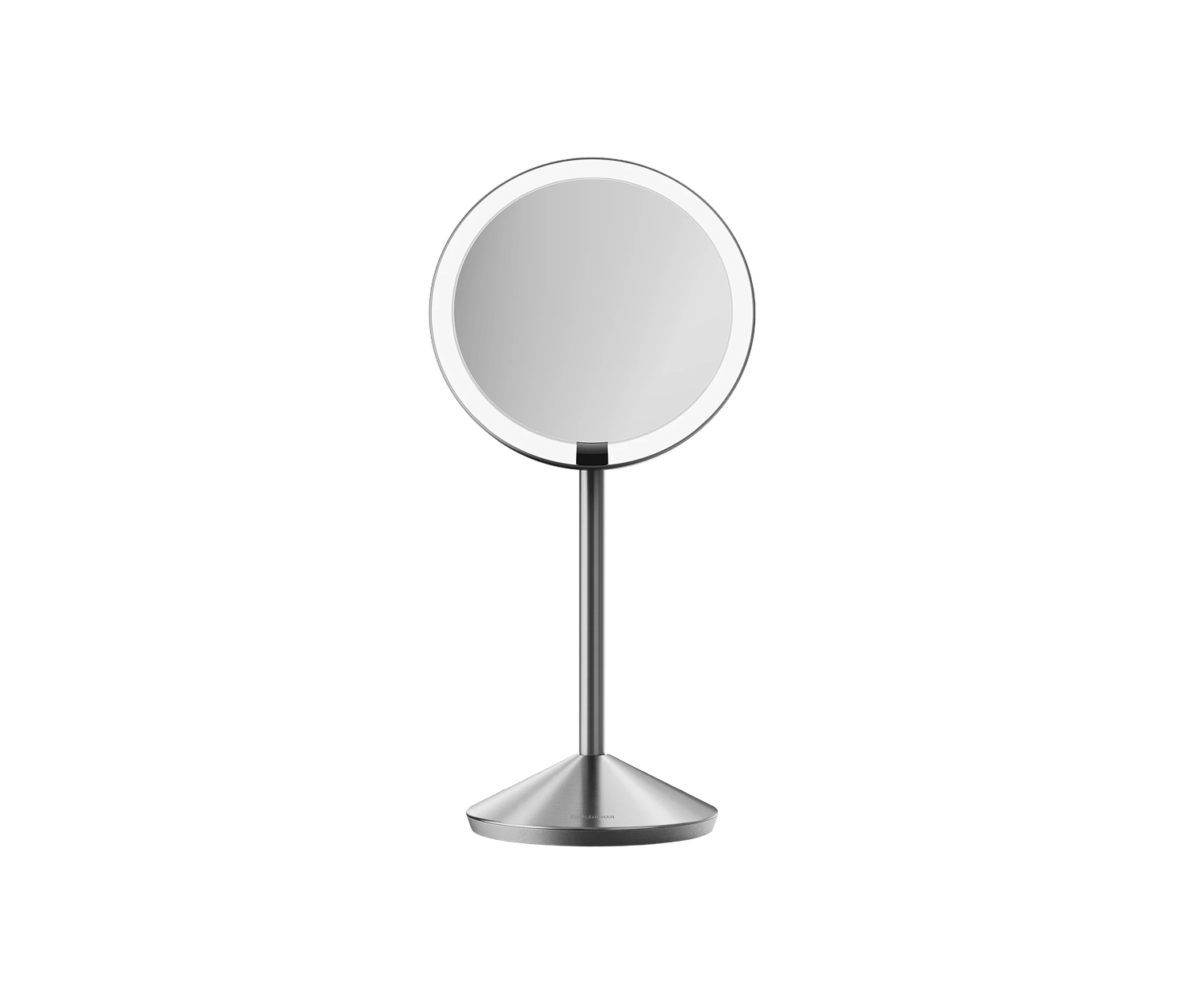
A ring of light rated at 95 CRI around the glass, so skin looks the colour daylight will show it.
CRI, the colour rendering index, scores from 0 to 100 how faithfully a light reproduces colours against daylight. Most household bulbs sit around 80, which is why foundation matched in the bathroom looks different at the front door. The Sensor Mirror Fold lights the face from in front instead of from the ceiling, which also removes the shadows an overhead light throws under the brows and nose. It runs at 600 lux, or 800 in its bright mode.
Magnification is 10x, close enough for brows, a splinter or a contact lens, and a 5x version exists at the same price. The light comes on when a hand or a face comes within a few inches of the sensor and dims itself off after a pause, so there is no switch. One USB-C charge lasts up to four weeks.
It folds flat into a travel case and opens to one of two heights, 11.8 inches at full stretch, with a head that swivels. That fold is why it is here: a magnifying mirror earns five minutes a day, and this one is small enough to go back in a drawer for the other twenty-three hours and fifty-five minutes.
What survives being left out
The rule in a bathroom is material, not shape. The tube, the bottle and the three Laifen bodies are aluminium, metal or glass, and everything typical in the same room is moulded plastic with a rubber grip, which discolours in humidity, goes tacky as its plasticiser migrates, and cannot be cleaned back.
The second rule is that packaging in this room is furniture. A tube, a bottle and a handle are on display all day, so they are chosen the way a lamp is chosen, and the ones that hold up are the ones where the packaging was solving a problem instead of decorating one.
The two Simplehuman pieces answer the other question a counter asks, which is what can be taken off it: the drip under a pump bottle, and a magnifying mirror that only needs to be out for five minutes.
Both of Aesop's and Marvis's containers are doing real work, and that is not a coincidence. It is what makes them the two objects on this page that people notice.
The routine that happens in the room is in grooming essentials for a minimalist routine.
How we chose
We chose these seven on whether they survive being left out, since a bathroom has no drawer big enough to hide anything used twice a day. Three are Laifen because very few companies machine bathroom electronics from aluminium instead of moulding them. None of these makers publishes specifications our fetcher can read, so no pick carries a panel and there is no comparison table.
About the author

Justin Farrugia
Founder & Editor of Curated Supply
Justin Farrugia is the founder and editor of Curated Supply, a design-led directory to things worth owning. He has personally curated over 1,000 products across workspace, carry, coffee, audio, and the home, each judged against one standard: design intent, material quality, and the restraint that lets a thing last.