About
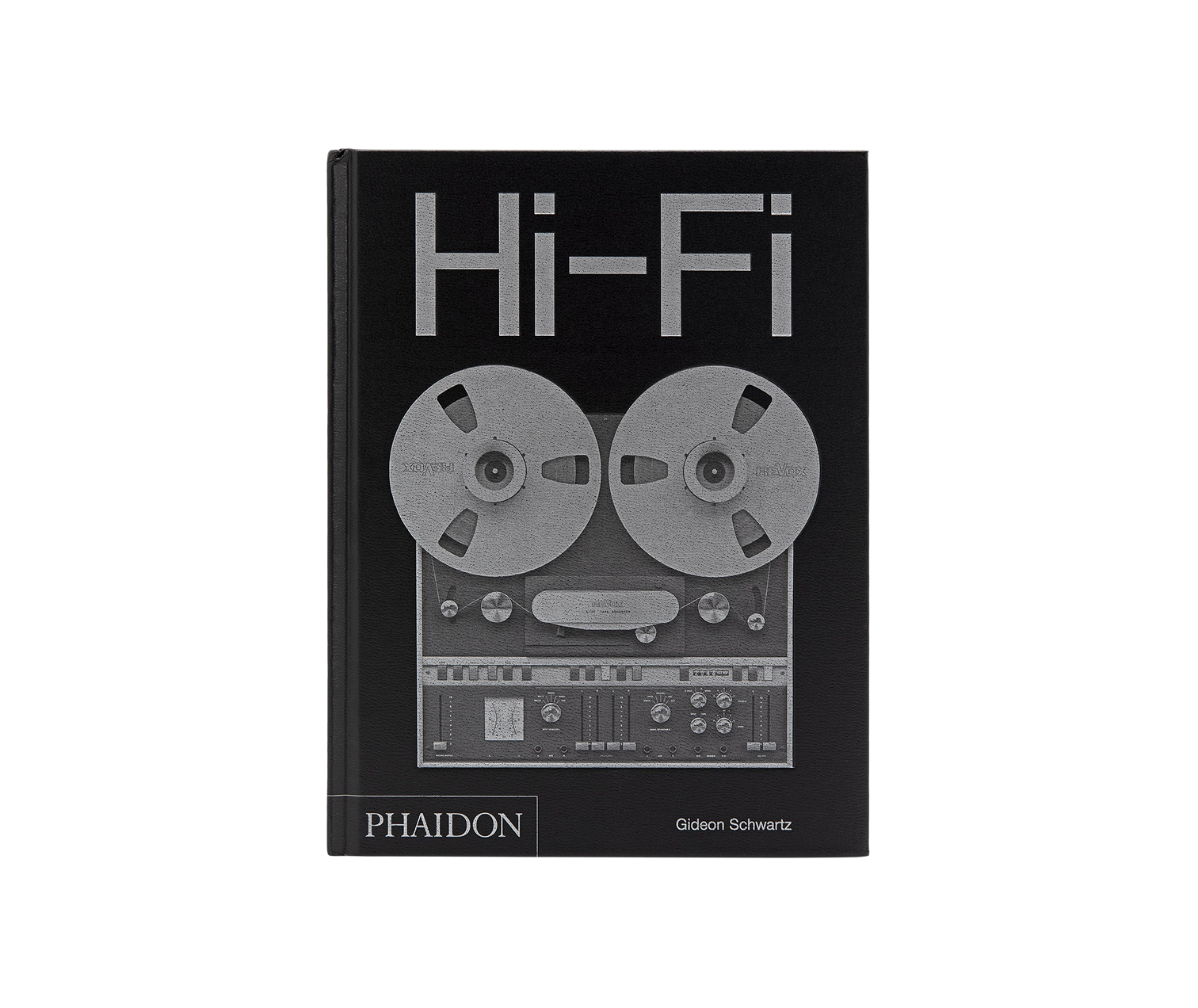
Most people treat the hi-fi equipment in a photograph as background. Gideon Schwartz treats it as the subject.
Schwartz founded Audioarts, an ultra-high-end audio company in New York City, after retiring from a career as an attorney to pursue the subject full-time. That biography matters here because Hi-Fi: The History of High-End Audio Design is not a catalogue assembled at a distance. It is written by someone who left one profession entirely to live inside another, and the depth of the book reflects that. Schwartz also authored Revolution: The History of Turntable Design, which means this volume sits inside a sustained body of work rather than a single enthusiast's project.
The book traces audio equipment from the 1950s to the present day, treating each generation of hardware as an expression of industrial design rather than engineering alone. That framing is the argument the book is making: that the amplifiers, speakers, and turntables people chose, modified, and kept for decades were design objects shaped by the same forces that shaped furniture and architecture. The thread running from mid-century to the current renaissance of analogue listening is not nostalgia. It is a continuous design history that happens to produce sound.
The closer question the book poses is why the world fell in love with top-of-the-line audio equipment in the first place, and why that attachment keeps returning. Schwartz answers it through the objects themselves.