About
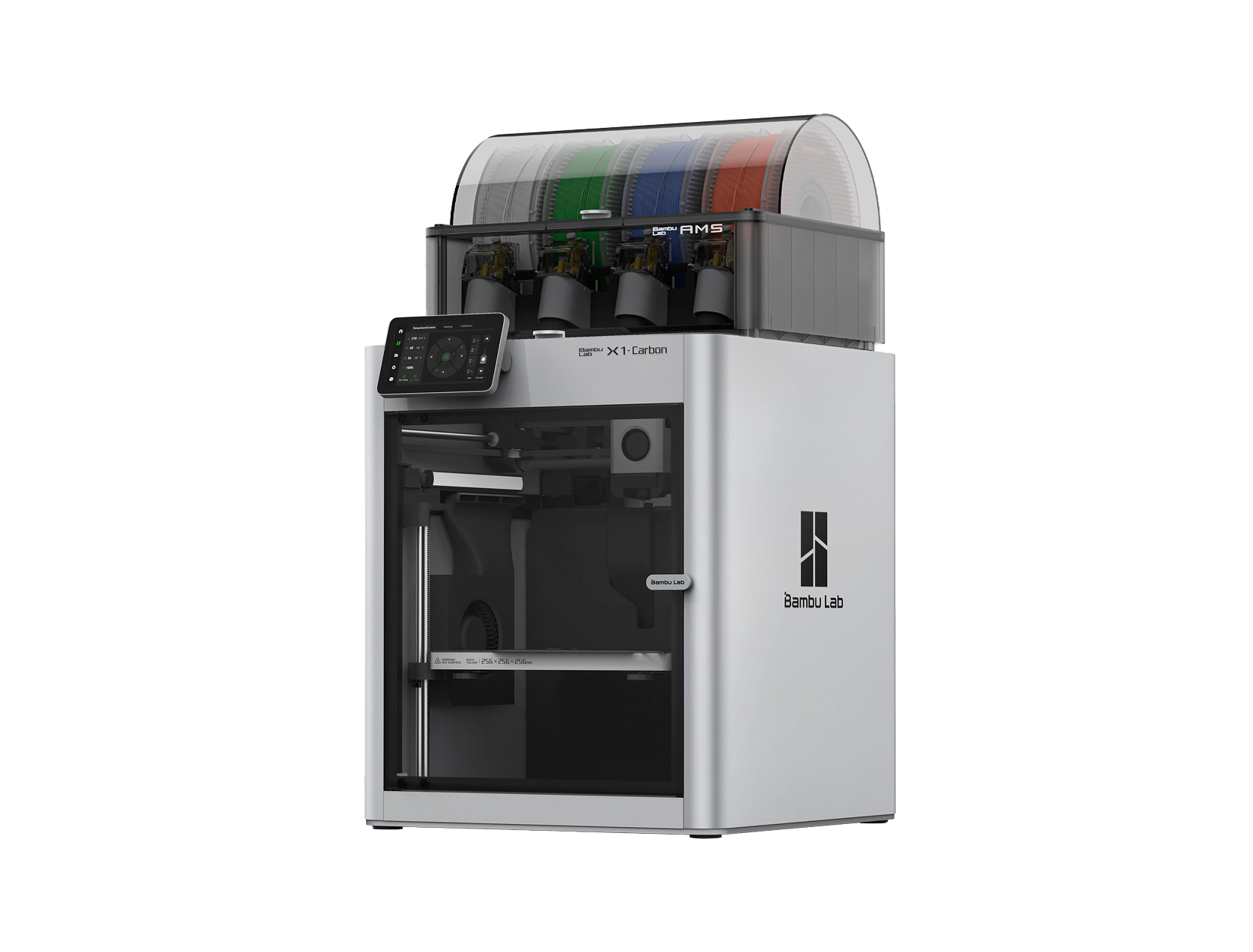
Most desktop 3D printers ask you to become a technician first. Level the bed, tune the flow, watch the first layer go down, accept that the sixteen-hour print will fail at hour nine. The X1 Carbon was built by people who found that arrangement tiresome.
It prints inside a 256 by 256 by 256 mm volume through an all-metal hotend that reaches 300 degrees, which is what lets it take the filaments most desktop machines refuse: carbon-fibre composites, PA, PET-CF, alongside the usual PLA and PETG. A hardened nozzle survives the abrasive ones. The frame is die-cast aluminium on a CoreXY motion system, so the toolhead can move quickly without the gantry flexing behind it, and the enclosed chamber holds heat steady enough for materials that warp in open air.
The part that changes the experience is the sensing. A micro lidar reads the first layer at 7 micron resolution and corrects the flow before the print commits to its mistake. A 1920 by 1080 chamber camera watches for the tangle of failed extrusion that printers call spaghetti, and can stop a doomed job before it wastes a spool. A door sensor, a filament run-out sensor and power loss recovery cover most of the rest.
Add the AMS and the machine feeds four spools on its own. Chain four AMS units together and it feeds sixteen, which turns multi-colour and multi-material printing into a question of loading spools and walking away.
- Designed in
- China

- Size
- 256 x 256 x 256 mm build volume
- Range
- All-metal hotend to 300 degrees
- Controls
- Micro lidar, 1080p chamber camera
- Capacity
- 4 filaments, 16 with four AMS units
- Body
- Die-cast aluminium, enclosed chamber
- Materials
Figures as published by the manufacturer. Source
Alternatives
You might also like
More in Tech
See all

Staff Pick
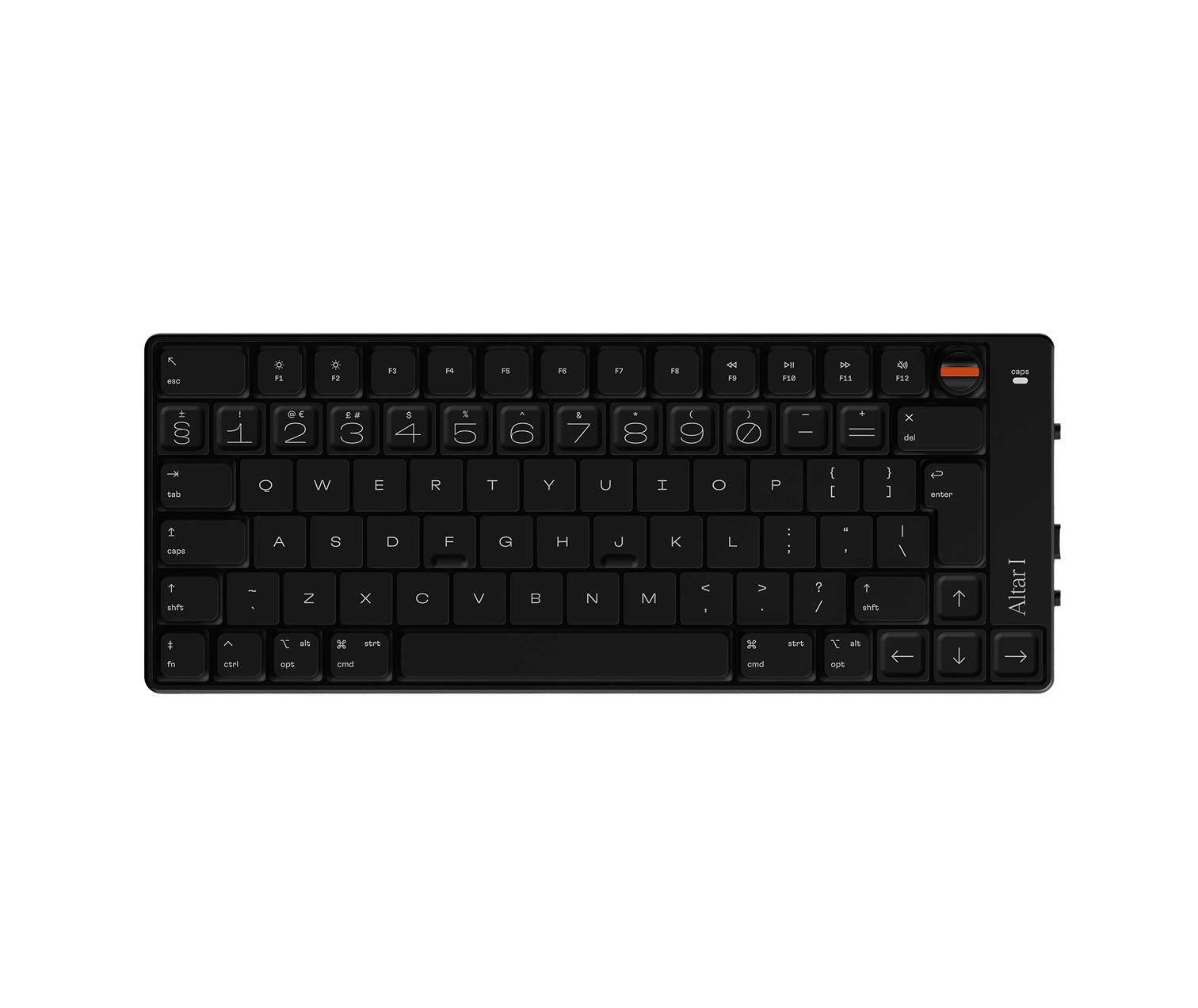
Altar I
$349