About
Every mechanical keyboard you have used makes the same promise and hides the same limitation: the moment a key fires was decided in a factory, by the shape of a metal contact, and nothing you do afterwards changes it.
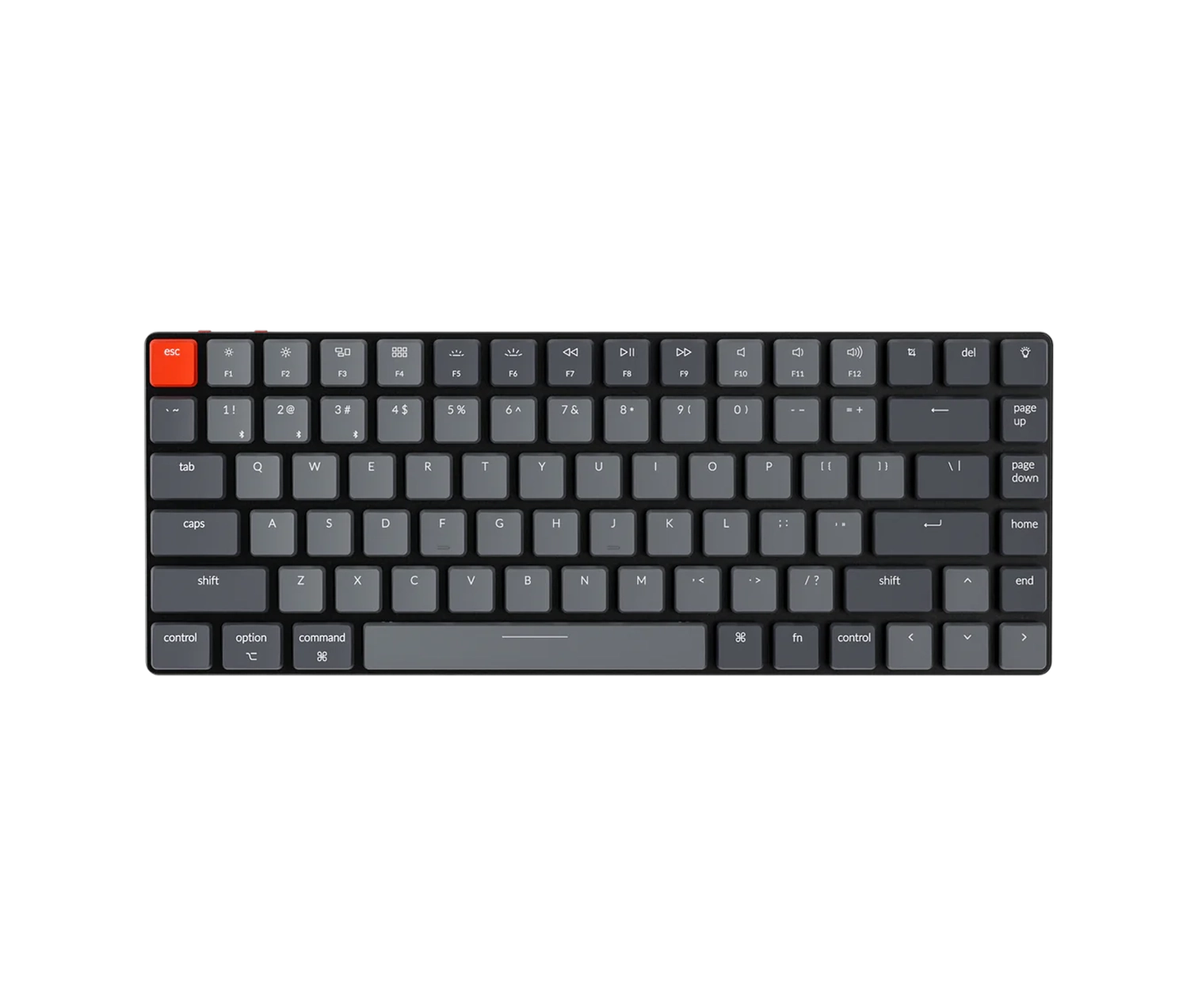
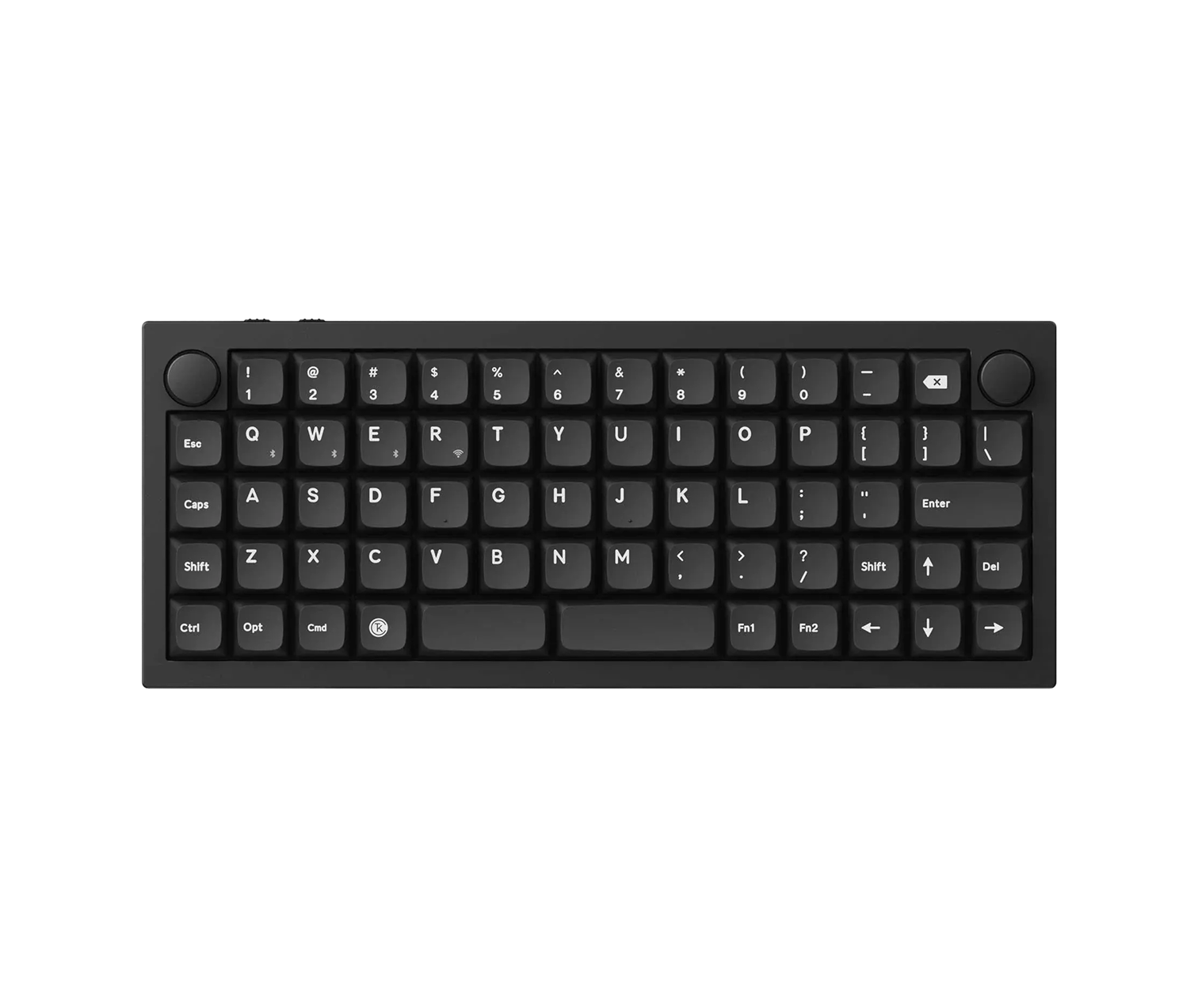
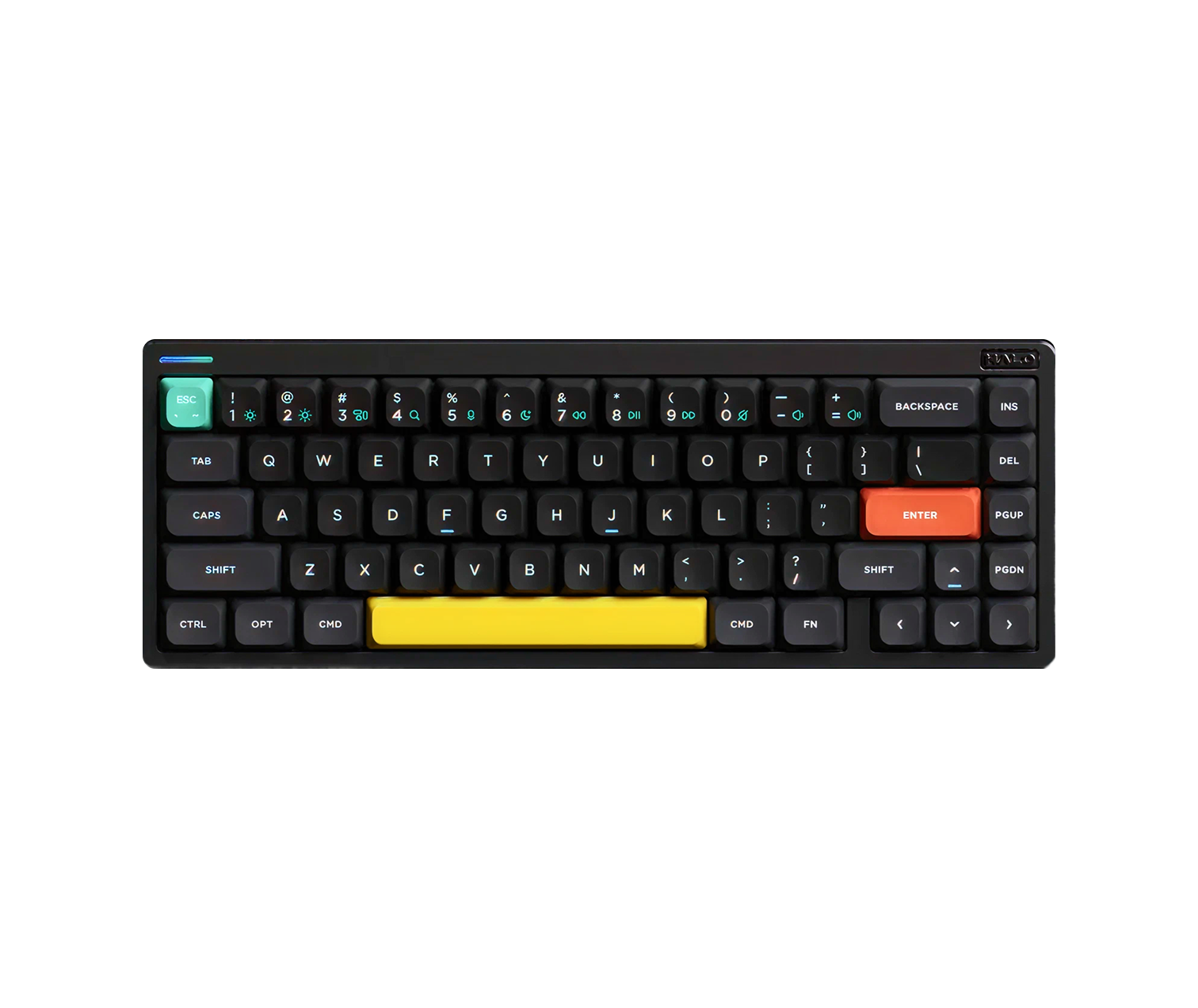
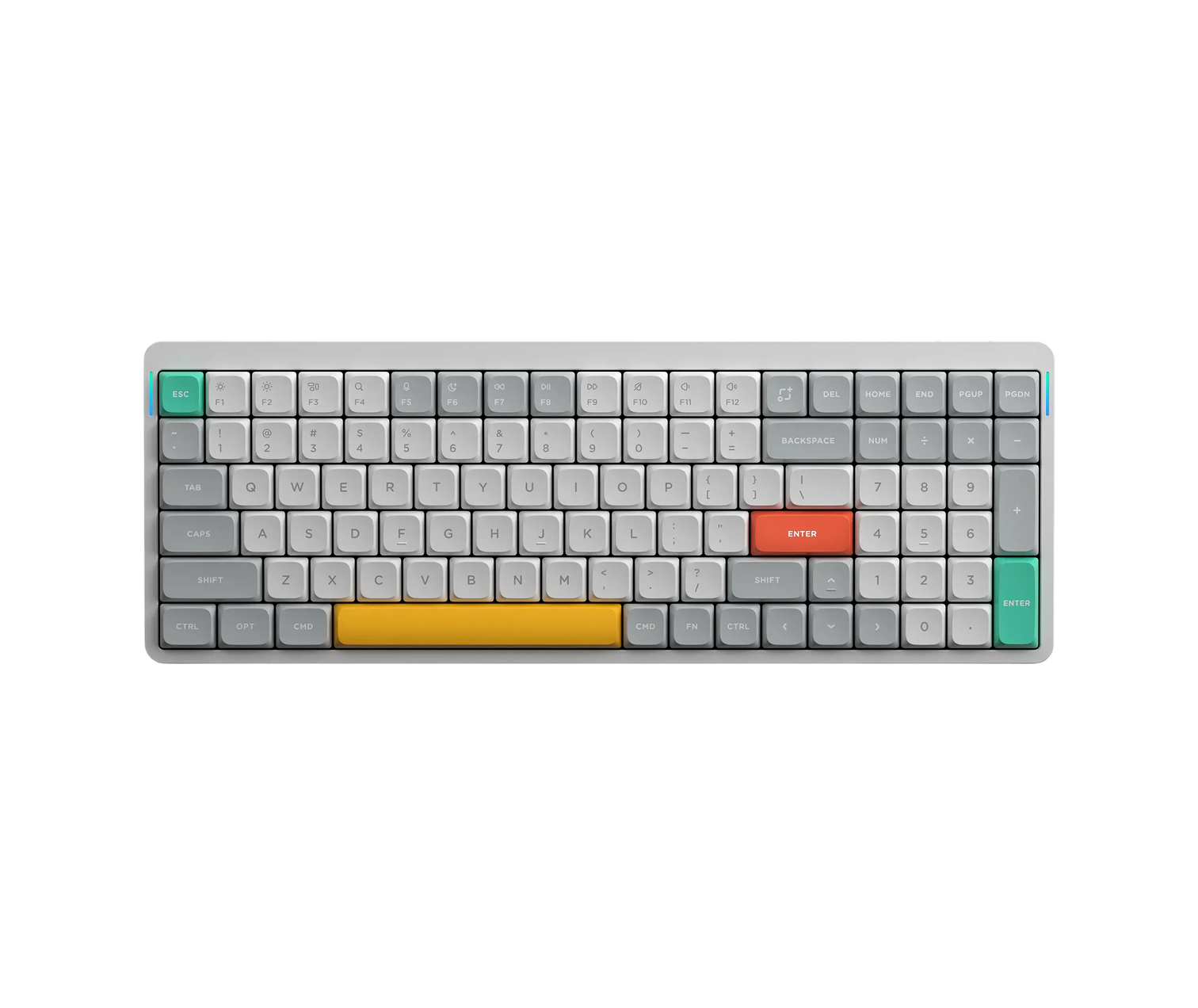
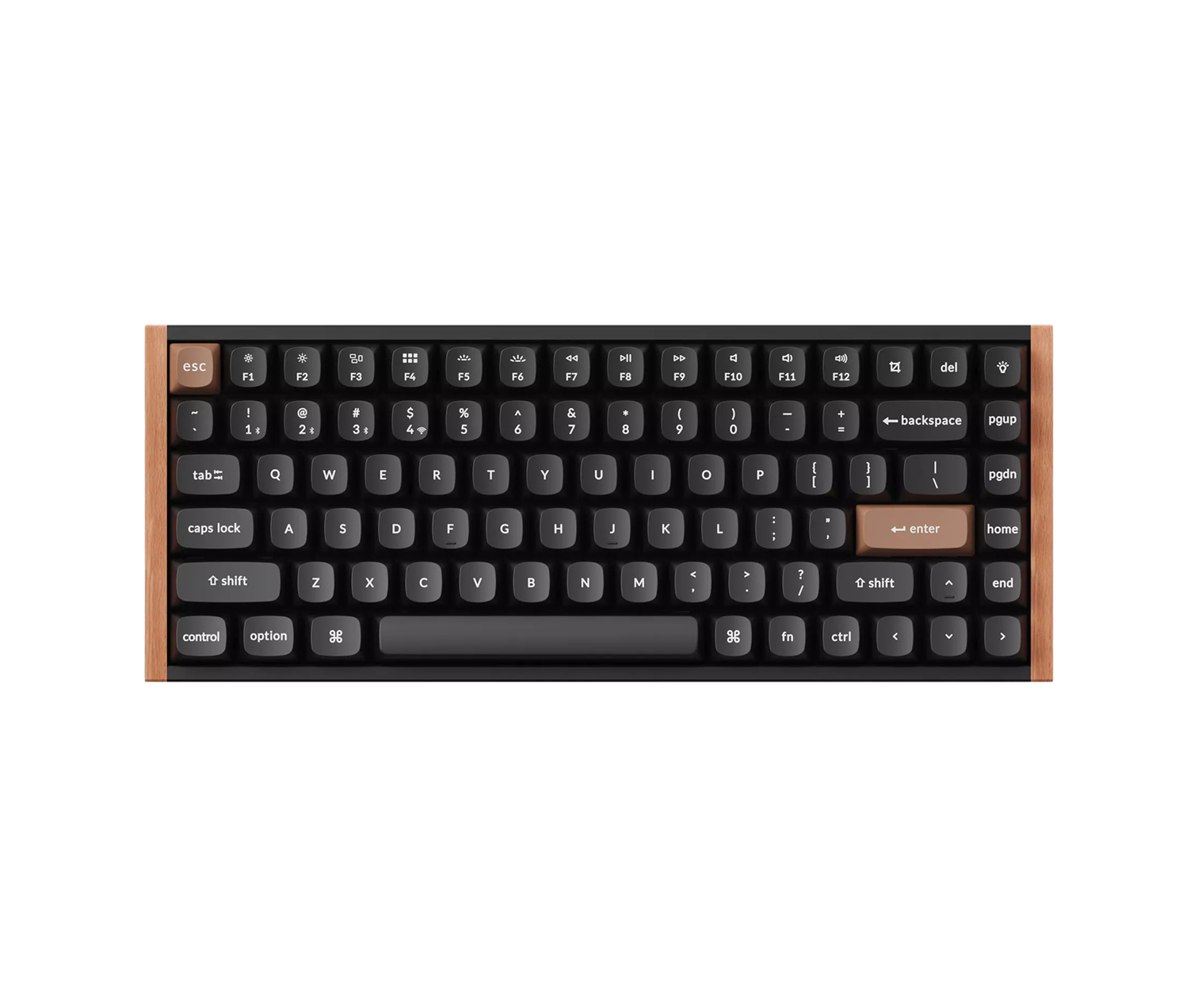
The Keychron K2 HE is a 75 per cent keyboard whose keys report how deep they are pressed, so the actuation point can be moved anywhere between 0.2 and 3.8 millimetres in steps of a tenth of a millimetre. There is no contact inside to close. A magnet rides down with the stem, and a tunnelling magnetoresistance sensor under every key reads the change in the field as a change in resistance, which gives the board a continuous number rather than an on or off. Rapid trigger spends that number on resetting a key the instant it starts travelling back up. Dynamic keystrokes stack up to four separate commands on one key by depth. Analog mode turns the whole board into something closer to a controller stick, where how far you press sets how fast you move.
Underneath the plate is a stack built to take the ring out of an aluminium case: 3.5 millimetre EVA foam, EPDM foam and a silicone pad. Keycaps are double-shot PBT, backlighting is north-facing RGB with more than 22 modes, and the keymap is QMK, edited in a browser through Keychron's Launcher.
Wireless runs 2.4 GHz at a 1000 Hz polling rate, or Bluetooth 5.2 across three paired devices, which is the part that makes the adjustable actuation worth having rather than a bench curiosity. It took a CES 2025 Innovation Award, and the sensor is the reason why.
- Designed in
- Hong Kong

- Made in
- China

- Body
- Aluminium, with wood accents on the Special Edition
- Size
- 316.4 x 126.7 mm, Standard Version
- Weight
- 980 g Standard Version, 965 g Special Edition
- Battery
- 4,000 mAh, up to 110 hours wireless
- Material
Figures as published by the manufacturer. Source